
AU-IBAR, IGAD and USAID hold the Inception Workshop for the Standard Methods and Procedures in Animal Health Project (SMP-AH)
Addis Ababa, August 27, 2012 - The African Union Commission (AUC) is hosting the Inception Workshop of the Standard Methods and Procedures in Animal Health Project (SMP-AH), which is taking place in Addis Ababa, Ethiopia from 27th to 29th August 2012. The SMP-AH Project was officially launched on 27th August by H.E. Ms. Rhoda Peace Tumusiime, Commissioner for Rural Economy and Agriculture of the AU Commission.
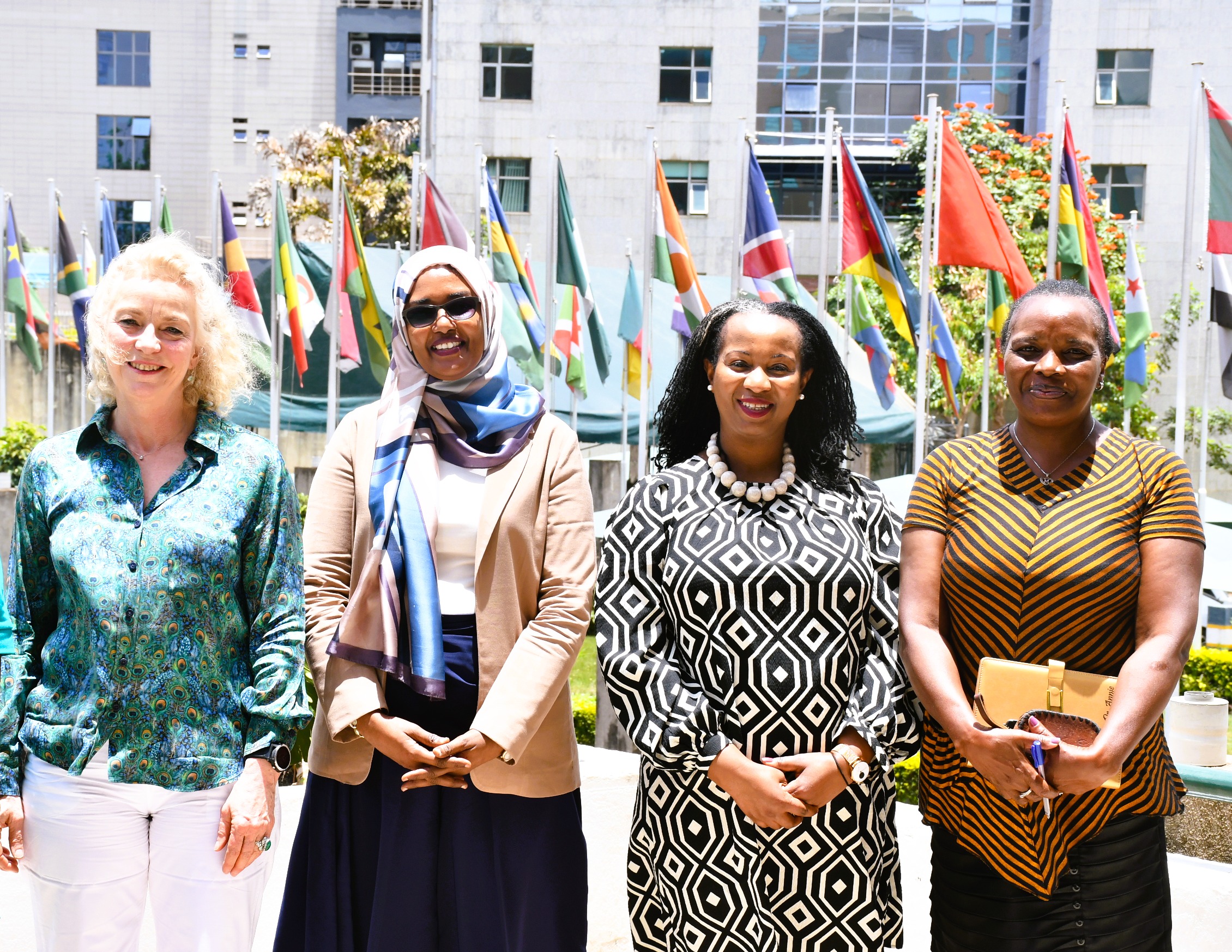
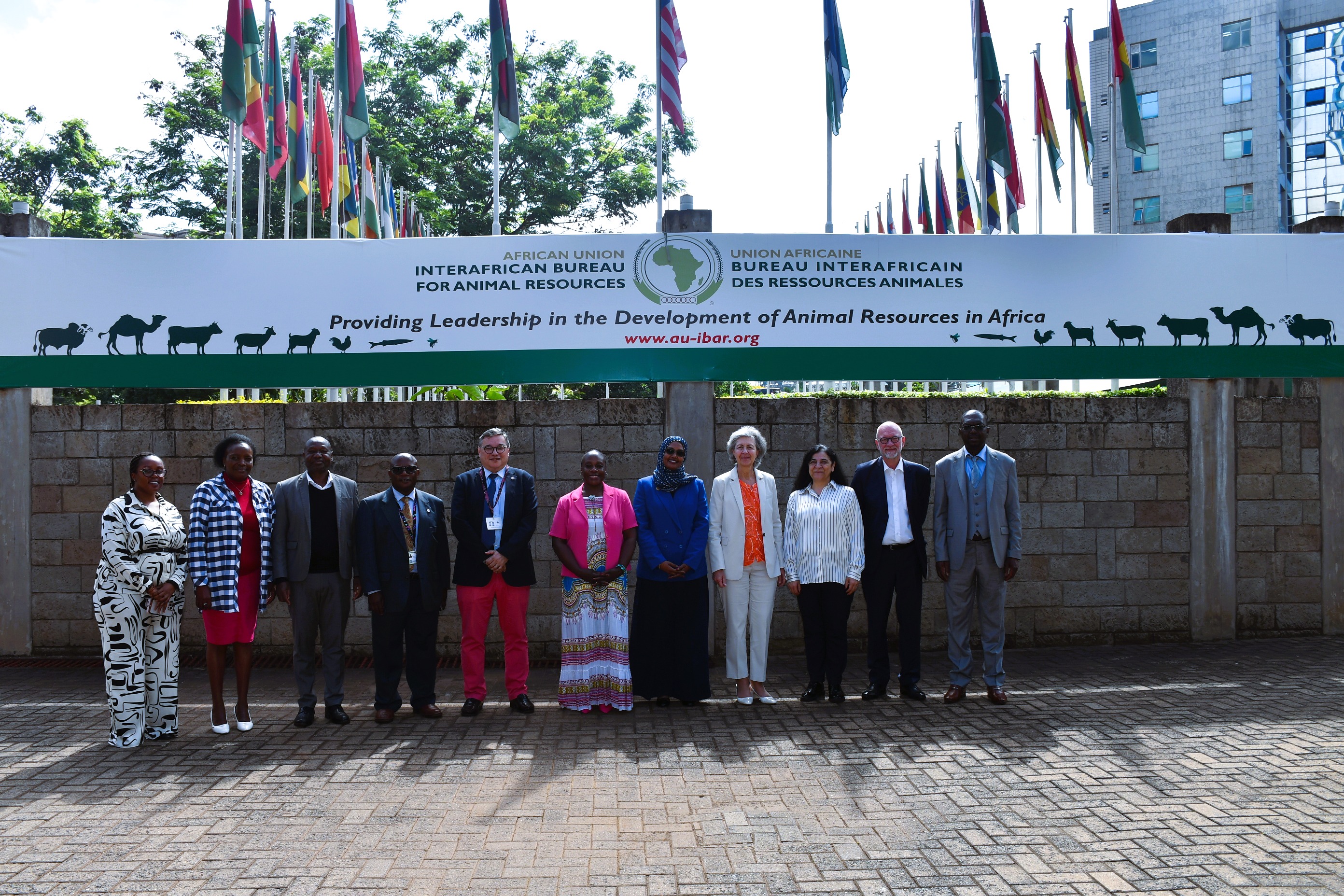
| From left to right : Prof. Ahmed Elsawalhy Director of AU-IBAR, Mrs. Rhoda Peace Tumusiime, Commissioner for REA/AUC, Mr. Jeffery Austin Sanitary and Phyto-Sanitary Advisor USAID/EA |
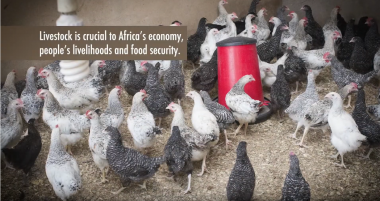
At the opening the Workshop H.E. Ms. Rhoda Peace Tumusiime underlined the significance of Agriculture in providing livelihoods for more people than any other sector. "It supports rural economies and is a key driver for food security and poverty reduction. The contribution of livestock to the agricultural capital stock in Africa is enormous and stands at more than 50% and on average accounts for 30% of agricultural production. About 160 million people, mainly small-scale farmers, are engaged in livestock keeping", she added.
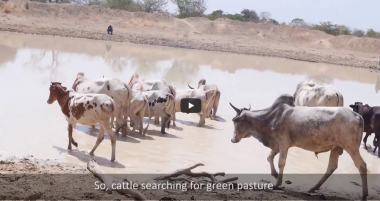
Addressing the issue of TADs, the Commissioner indicated how they erode the assets of pastoralists, restrict market access for livestock and livestock products and have major impacts on livelihoods, household food security and national economies. "Transboundary animal diseases are a shared concern for all the countries, particularly in the IGAD region, given the free movement of livestock and livestock products across borders for pasture or trade. Management of these diseases, therefore, requires a coordinated and harmonized approach at regional level", she emphasized.
Mr. Jeffery Austin, Sanitary and Phyto-Sanitary Advisor, USAID East Africa, said that the importance of livestock cannot be overstated both to the economies and for food security in the region. The countries in the Horn of Africa are home to an estimated 119 million cattle, 208.5 million sheep and goats, and 14.3 million camels. "Livestock contributes to over 35% of agricultural GDP in both Kenya and Ethiopia, and $300m in livestock from the Horn are exported annually to the Middle East", he added.
He underscored the commitment of USAID to support the development of livestock and livestock trade in the region and underlined that "we see the successful implementation of the Standard Methods and Procedures framework as a key achievement..."
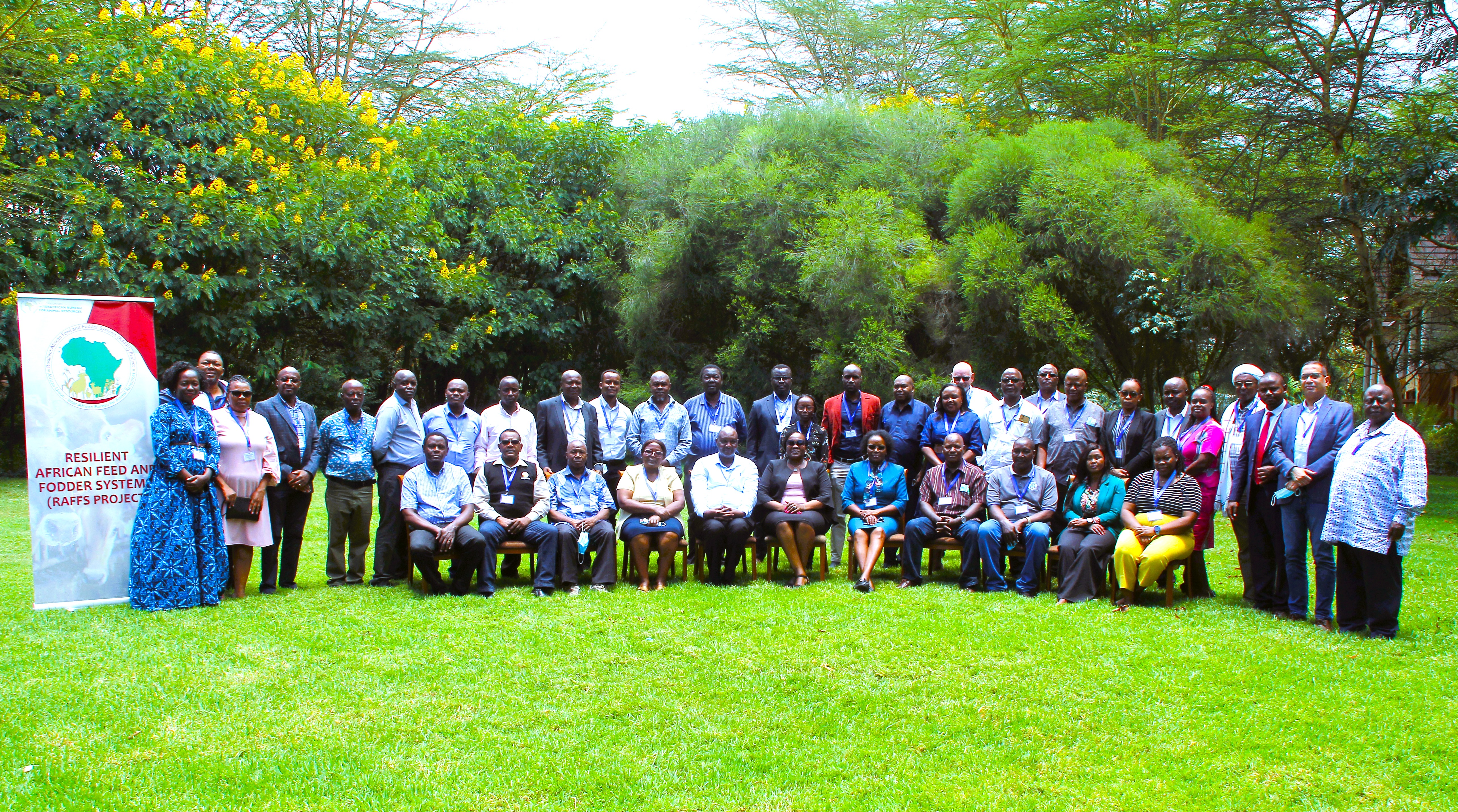
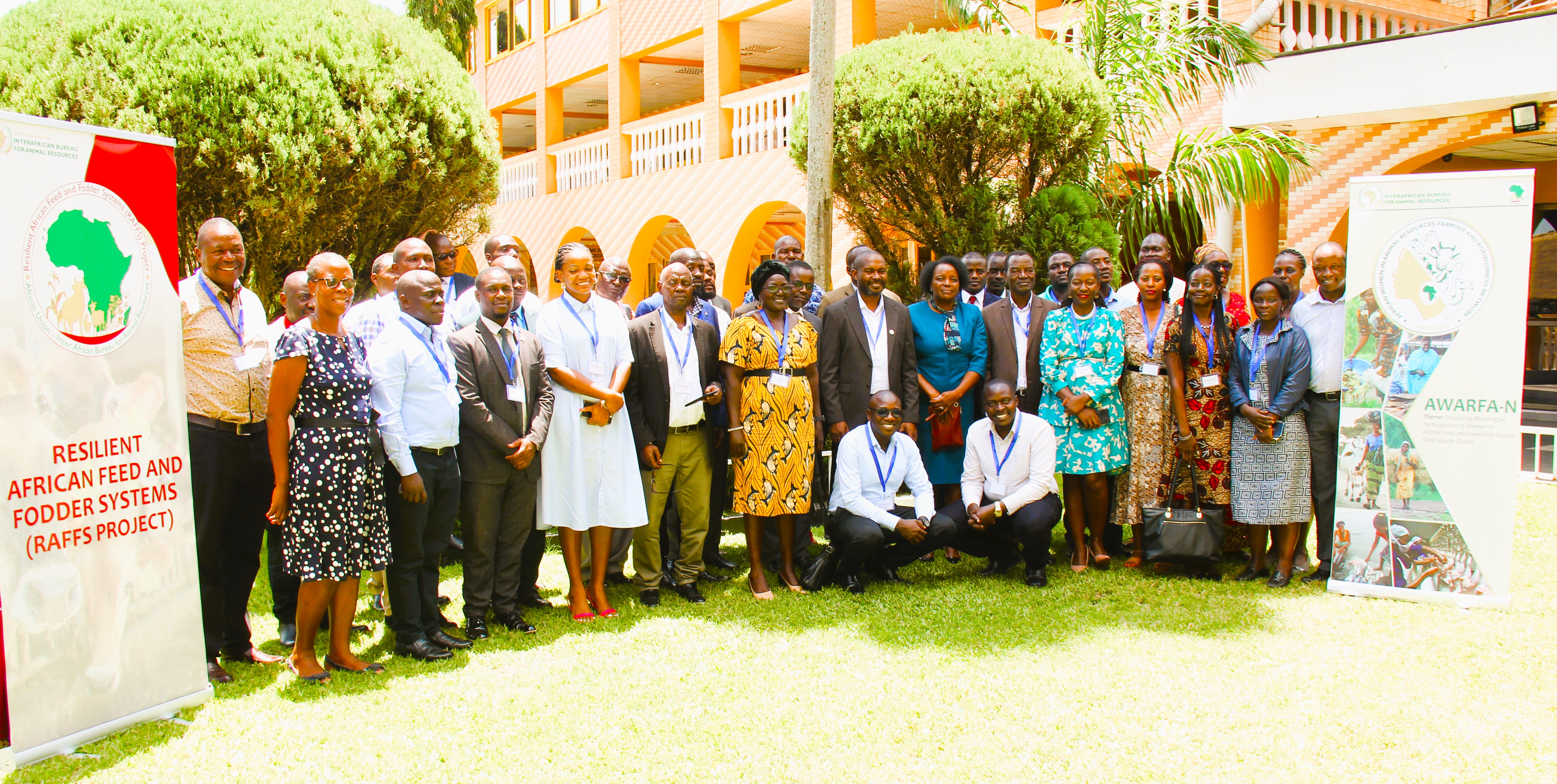
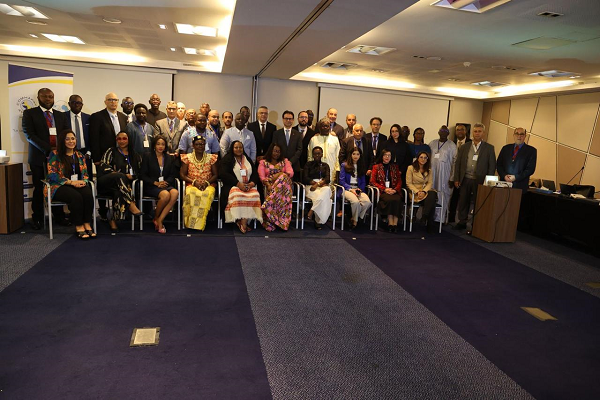
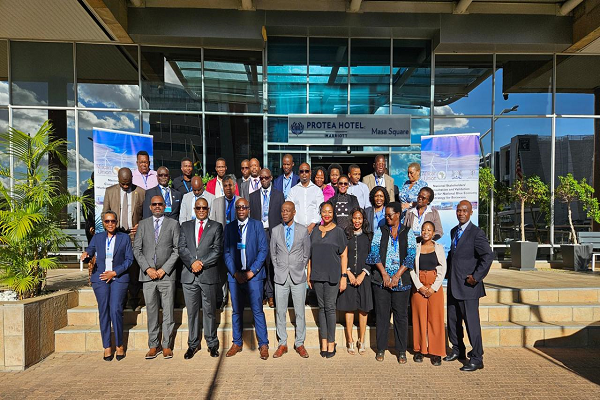
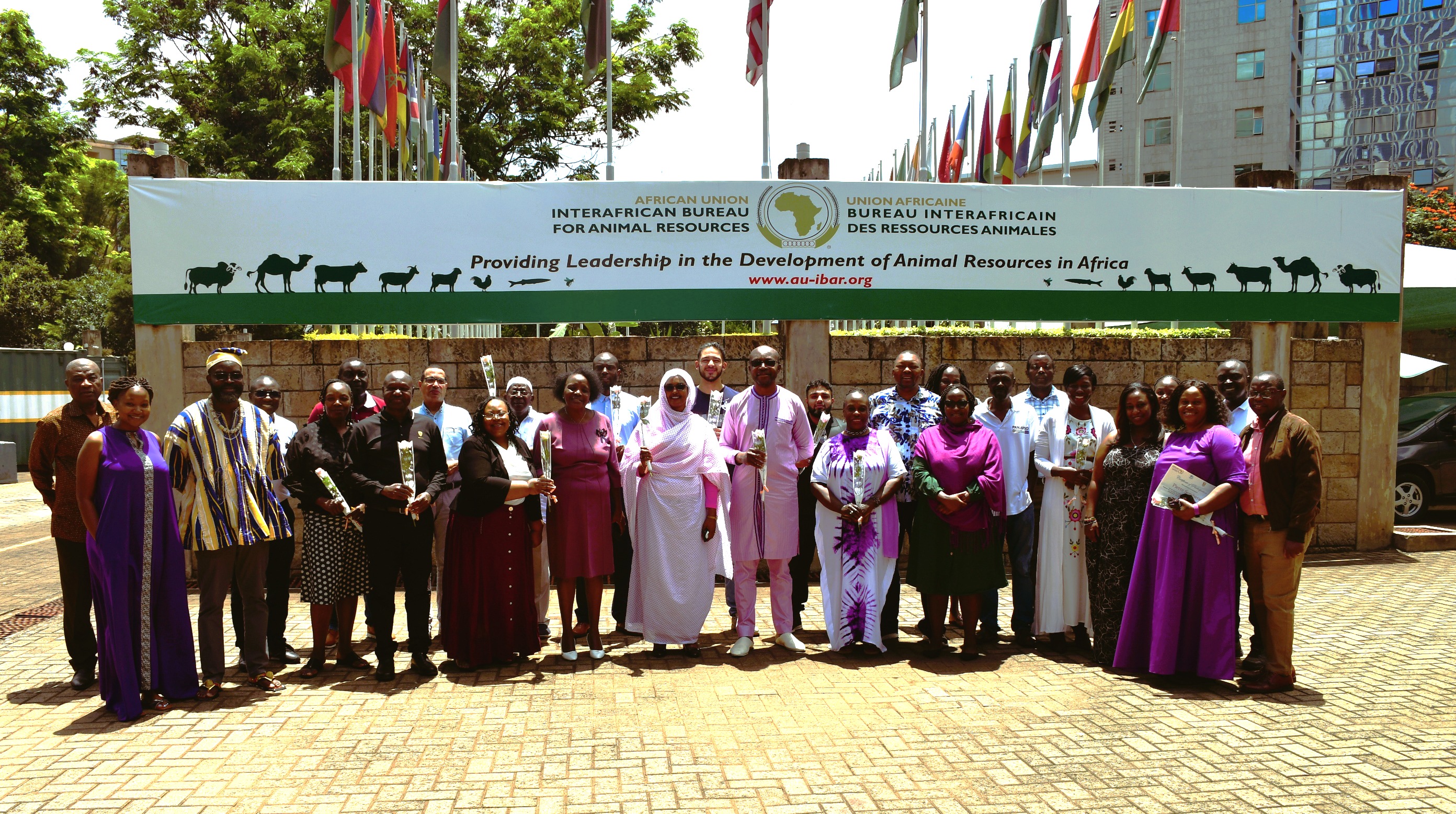
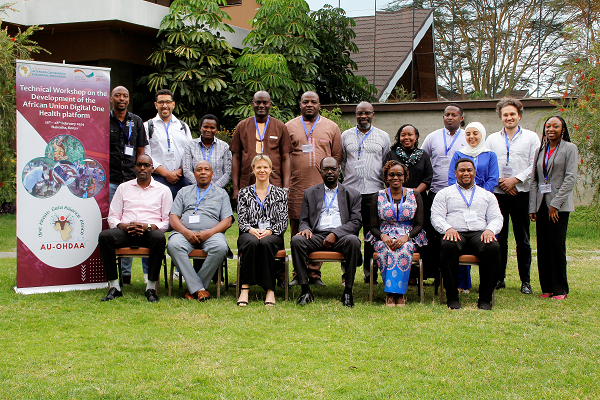
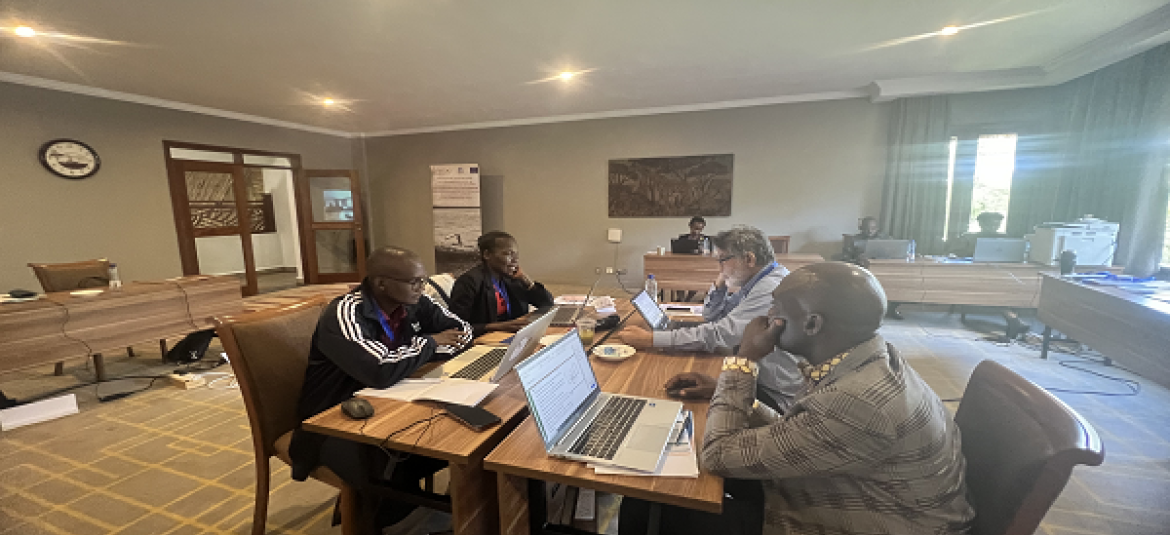
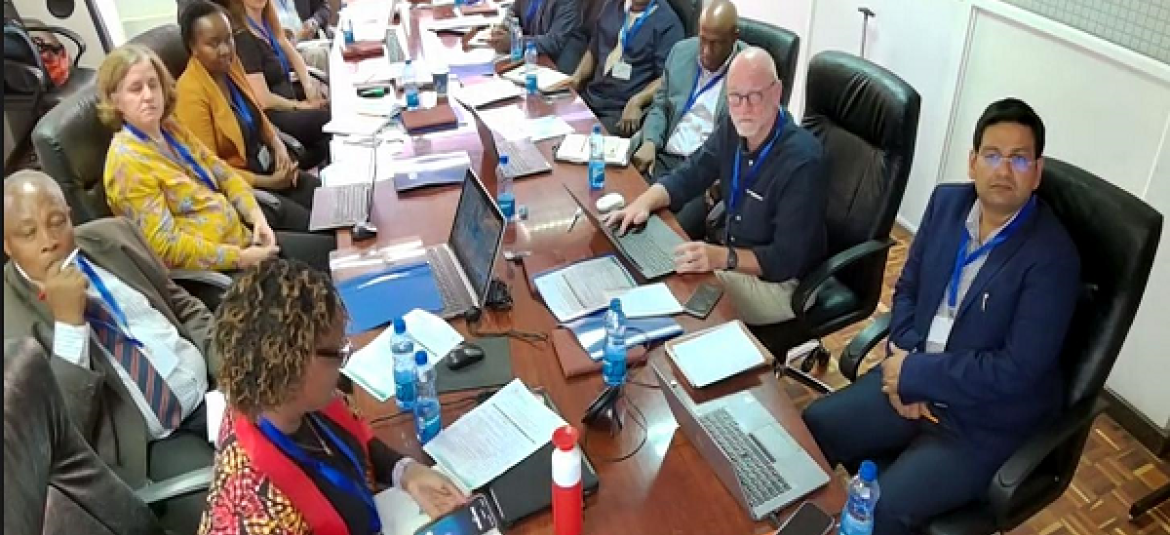
| Participants at workshop |
Prof. El-Sawalhy reiterated the need to develop strategies to enhance the resilience of the pastoral communities to drought and said AU-IBAR in its 2010-2014 Strategic Plan was addressing various aspects of pastoral development as reflected in the six Strategic Programmes of AU-IBAR and the projects being implemented, including in the IGAD region. He told the participants that the SMP-AH was timely in addressing gaps in TADs control such as weak animal disease surveillance systems at the national level and lack of coordination and harmonisation of disease surveillance and control programs at the regional level.
The Director emphasised the need to build in sustainability strategies in the proposed activities, always keeping in mind the need to build on the existing systems in the Member States with the World Organisation for Animal Health (OIE) standards as the guiding principle.
The Director urged participants to develop activities that will have a real impact on the beneficiaries of the project, particularly the pastoralists.
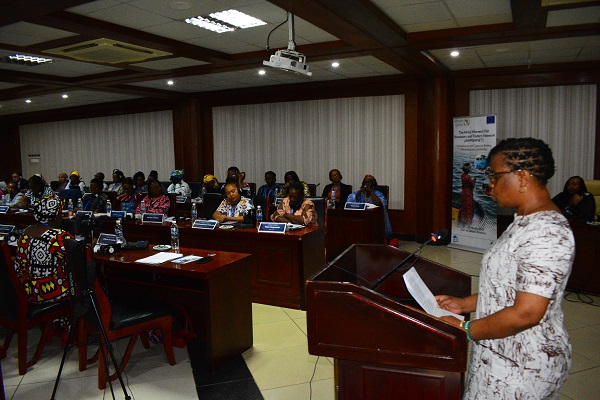
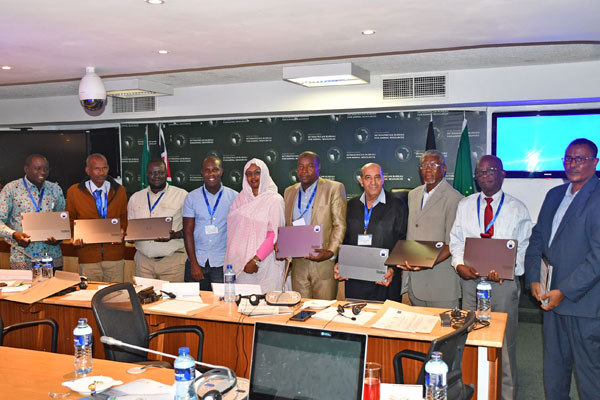
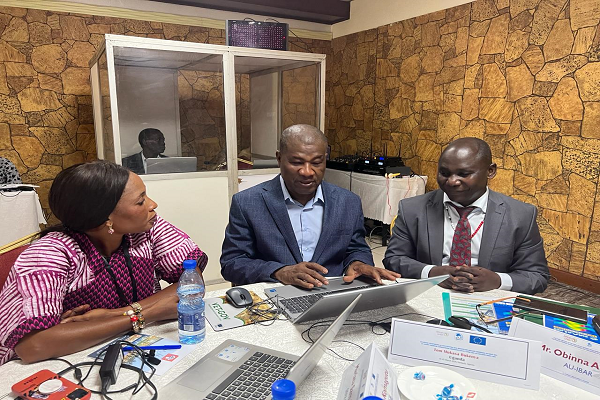
The meeting is being attended by the AU Commission, USAID, public and private livestock stakeholders, IGAD Member States, the Food and Agriculture Organization of the United Nations (FAO), OIE, and the International Livestock Research Institute (ILRI).
The SMP-AH Project aims to address the challenge posed by trade-related TADs. It takes into consideration that TADs are a shared concern among the IGAD member states requiring coordinated and harmonised approaches. It is being implemented by AU-IBAR, in partnership with IGAD and with financial support from USAID. The intention of the project is to standardize procedures for detection of and response to specified trade‐significant TADs in order to reduce their impacts and promote regional and intraregional trade in livestock and livestock products.
Document download :
Upcoming events
- Tue, 04 Jun 2013 - Thu, 06 Jun 2013 4th Pan-African Meeting of National Codex Contact Points
- Wed, 26 Jun 2013 - Fri, 28 Jun 2013 African Livestock Conference and Exhibition (ALiCE 2013)
- Sun, 08 Sep 2013 - Thu, 12 Sep 2013 32nd General Conference of the ISCTRC