

Advancing PPR Eradication in Conflict-Affected and Security-Fragile Settings
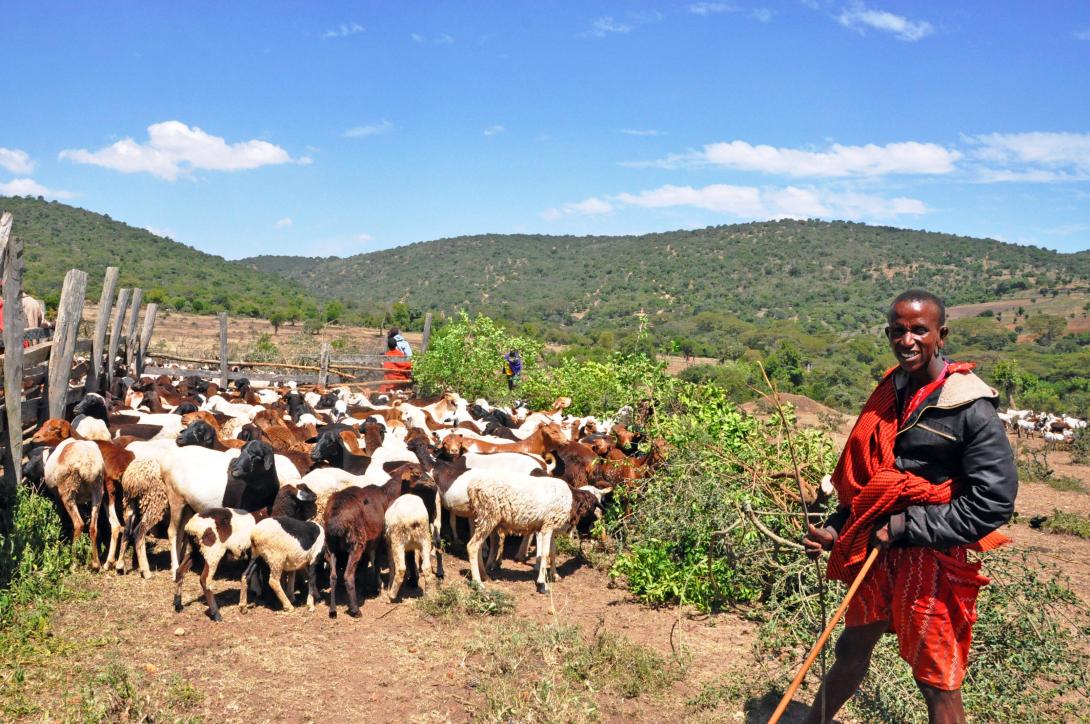
Eradicating Peste des Petits Ruminants (PPR) by 2030 remains a continental priority for Africa. However, in many conflict-affected and security-fragile African Union Member States, armed conflict, insecurity, and forced displacement have severely disrupted veterinary services, weakened institutions, and devastated rural livelihoods that depend on sheep and goats.
According to a new continental position paper, veterinary systems in fragile contexts have been eroded by insecurity, leading to reduced vaccination coverage, weakened surveillance, food insecurity, acute malnutrition, and declining household incomes particularly among women and children . These realities demand adaptive, inclusive, and conflict-sensitive approaches to disease eradication.
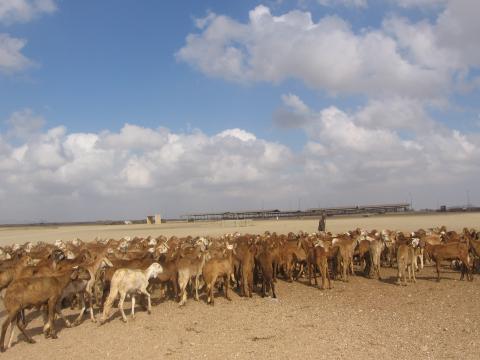
To address these challenges, the Pan-African Programme (PAP) for the Eradication of PPR, coordinated by AU-IBAR, has developed a strategic framework tailored to conflict-affected and security-fragile settings. Inspired by lessons from the successful eradication of rinderpest, the framework leverages modern technologies, community-driven approaches, and flexible implementation models to ensure no Member State is left behind .
The strategy is built on three core principles of adaptive implementation:
- Conflict- and security-sensitive programming, enabling operational flexibility through mobile vaccination campaigns, the use of community animal health workers (CAHWs), and coordination between humanitarian actors, NGOs, and veterinary services;
- Community ownership and trust-building, integrating PPR interventions into local livelihood and health systems while engaging traditional, religious, women, and youth leaders;
- Technology-enabled resilience, strengthening surveillance, traceability, and rapid response through mobile reporting tools, satellite monitoring, and digital vaccination certification systems .
The framework emphasizes strong partnerships with NGOs and civil society organizations that have proven access to hard-to-reach and insecure areas. These partnerships are essential to expanding veterinary outreach, building local capacity, empowering women and youth, and establishing collaborative monitoring and evaluation mechanisms that promote accountability and learning.
Implementation is carried out in close collaboration with key continental and global partners, including the Food and Agriculture Organization of the United Nations, AU-PANVAC, and the World Organization for Animal Health, ensuring alignment with the Global PPR Eradication Programme.
Expected Impact
By integrating conflict-sensitive methodologies into Africa’s PPR eradication efforts, the strategy aims to:
- Increase surveillance reach and vaccination coverage in vulnerable regions;
- Strengthen community trust and resilience through inclusive engagement;
- Ensure equitable participation of all Member States in the continental eradication initiative;
- Transform fragile contexts from “last-focus traps” into “quick-win opportunities” on the path to eradication .
Supported by the European Union, this framework reaffirms the African Union’s collective ambition to eradicate PPR by 2030, even in the most challenging environments. Through coordinated continental action, sustained advocacy, and dedicated funding, Africa is demonstrating that conflict and fragility do not have to be barriers to progress.
Ultimately, advancing PPR eradication in fragile settings is not only about disease control it is about protecting livelihoods, strengthening food security, and building resilient animal health systems, fully aligned with the aspirations of Agenda 2063.