

Africa Advances Aquatic Biodiversity Protection at High-Level Conservation of Aquatic Biodiversity Meetings in Mombasa
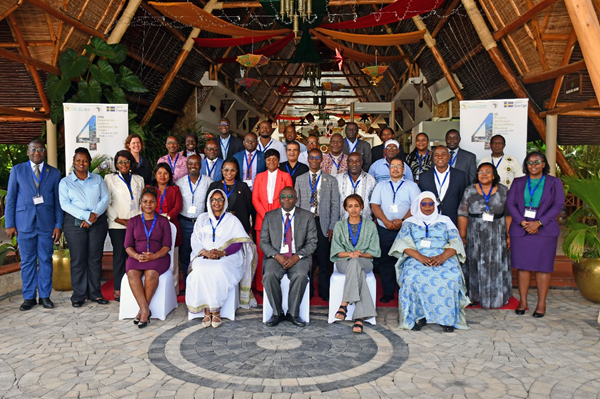
Mombasa, Kenya | 2–4 December 2025 – African Union Member States, Regional Economic Communities (RECs), development partners, and leading research and conservation institutions have convened in Mombasa, Kenya, for the Fourth Project Technical Committee Meeting and the Fourth High-Level Steering Committee Dialogue of the Conserving Aquatic Biodiversity in the Africa Blue Economy Project. The project is implemented by AU-IBAR with support from the Government of Sweden through the Swedish International Development Coopertion Agency (SIDA).
The high-level meetings bring together senior policymakers, technical experts, COMESA, Regional Fisheries Bodies (RFBs), Regional Seas Conventions, research institutions, including KEMFRI, representatives of youth and women, collaborating NGOs, and non-State actors to assess progress, validate results, and chart the future of Africa’s collective efforts to protect aquatic ecosystems while strengthening sustainable blue economy value chains.
Kenya Reaffirms Strong Political Leadership on Blue Economy
Speaking on behalf of the Government of the Republic of Kenya, Mr Joseph Mahonga, reaffirmed its strong political commitment to the blue economy as a strategic driver of food security, employment, climate resilience, and inclusive economic growth. Kenya highlighted the importance of aligning conservation of aquatic ecosystems with sustainable fisheries, aquaculture, tourism, maritime transport, and coastal development.
The Government underscored that hosting the Fourth Technical Committee and High-Level Steering Committee Meetings reflects Kenya’s continued leadership in regional and continental blue economy governance. It further emphasised the need for strengthened regional cooperation to address shared transboundary water challenges, combat illegal fishing, and scale up ecosystem restoration initiatives across Africa’s marine and inland waters.
Strong Continental and Partner Commitment Underscored by AU-IBAR
In her opening remarks, Dr. Huyam Salih, Director of AU-IBAR, welcomed participants on behalf of the African Union Commission and expressed appreciation to the Government of Kenya for once again hosting the meeting. She commended Kenya’s sustained political commitment to the continental blue economy agenda and noted that the high-level engagement witnessed since 2022 reflects strong solidarity among African Union Member States.
Dr. Salih also paid tribute to the Government of Sweden for its visionary partnership with the African Union, noting that Sida’s support has been instrumental in strengthening institutional capacity, improving governance, and advancing the sustainable management of aquatic biodiversity across the continent.
“As we approach the conclusion of the project’s fourth year of implementation, we are proud of the significant progress achieved in awareness creation, institutional strengthening, policy alignment, and regional cooperation,” she said. “These achievements would not have been possible without the unwavering commitment of our Member States, Regional Economic Communities, research institutions, and community partners.”
She further announced that following the external evaluation of the project, work is well advanced on the proposal for a second phase, building on the foundation established since the project began in October 2021.
Aquatic Biodiversity as a Strategic Economic Asset
Dr Salih emphasised that aquatic biodiversity is a strategic pillar for Africa’s food security, climate resilience, employment creation, and economic transformation.
“Protecting Africa’s rivers, lakes, wetlands and marine ecosystems is not an environmental luxury—it is an economic and social necessity for sustainable development,” she underscored.
Since its inception, the project has supported:
- Strengthened governance frameworks,
- Domestication of continental and global biodiversity and fisheries instruments,
- Community-based ecosystem restoration,
- Gender mainstreaming in aquatic resource management, and
- Enhanced regional cooperation across shared water systems.
These interventions have contributed to improved policy coherence, better protection of ecosystems, and stronger participation of women and communities across aquatic value chains.
COMESA Highlights Regional Integration and Shared Water Governance
The Common Market for Eastern and Southern Africa (COMESA), represented by Ms Stella Mbabazi, who also stood as the representative of RECs and specialised regional institutions, (African Platform for Regional Institutions in Fisheries, Aquaculture and Aquatic Systems) — APRIFAAS underscored the importance of regional integration for the sustainable management of shared aquatic ecosystems, particularly transboundary lakes, rivers, and marine systems that underpin millions of livelihoods across Eastern and Southern Africa.
COMESA emphasised that effective conservation of aquatic biodiversity requires harmonised policies, coordinated enforcement mechanisms, and shared scientific knowledge among Member States. The organisation further highlighted its role in supporting regional trade, sustainable fisheries value chains, and cross-border ecosystem governance, in alignment with the African Union’s Blue Economy Strategy and the Africa Continental Free Trade Area (AfCFTA).
Sweden Reaffirms Strategic Partnership with Africa
Representing the Government of Sweden, Ms Beza Berhanu reaffirmed its strong commitment to Africa’s blue economy and biodiversity agenda. The Swedish representative highlighted the importance of:
- Strengthening regional cooperation in managing shared marine and freshwater ecosystems,
- Expanding nature-based solutions to address climate change and biodiversity loss,
- Building institutional capacity, including the emergence of Centres of Excellence, and
- Scaling up proven interventions to ensure long-term sustainability.
Sida also commended the project’s strong focus on community participation, women’s leadership, and youth inclusion, noting that conservation efforts succeed when local communities are meaningfully engaged and empowered.
Reviewing Progress and Shaping the Next Phase
Over the three days, participants will review:
- The technical and financial performance of the project,
- Outcomes from regional and national implementation,
- Findings from the external project evaluation,
- Strategic priorities and the draft proposal for Phase II, and
- A high-level communiqué outlining policy and investment recommendations for scaling impact.
The meetings will also highlight the critical role of RECs, RFBs, research institutions, civil society, women and youth organisations, and NGOs in translating science, policy, and financing into concrete conservation and livelihood outcomes on the ground.
Responding to Growing Threats
Aquatic biodiversity underpins fisheries, aquaculture, tourism, transport, climate regulation, and food systems across Africa. Yet it faces mounting threats from climate change, pollution, habitat degradation, overexploitation, and illegal fishing.
The Africa Blue Economy Project aligns biodiversity conservation with economic opportunity, regional integration, community empowerment, and social inclusion, ensuring that environmental sustainability directly supports Africa’s development priorities.
Guiding Africa’s Next Phase of Action
As the project enters the final year of its first phase, the Mombasa meetings serve as a critical moment of reflection and strategic planning. The outcomes will guide the next phase of continental action to ensure that Africa’s aquatic ecosystems continue to support food security, decent jobs, trade, ecosystem services, investment, and climate resilience for present and future generations.