

African Pastoral Markets Development Platform positions African meat processors for trade, investment, and market access in the Gulf
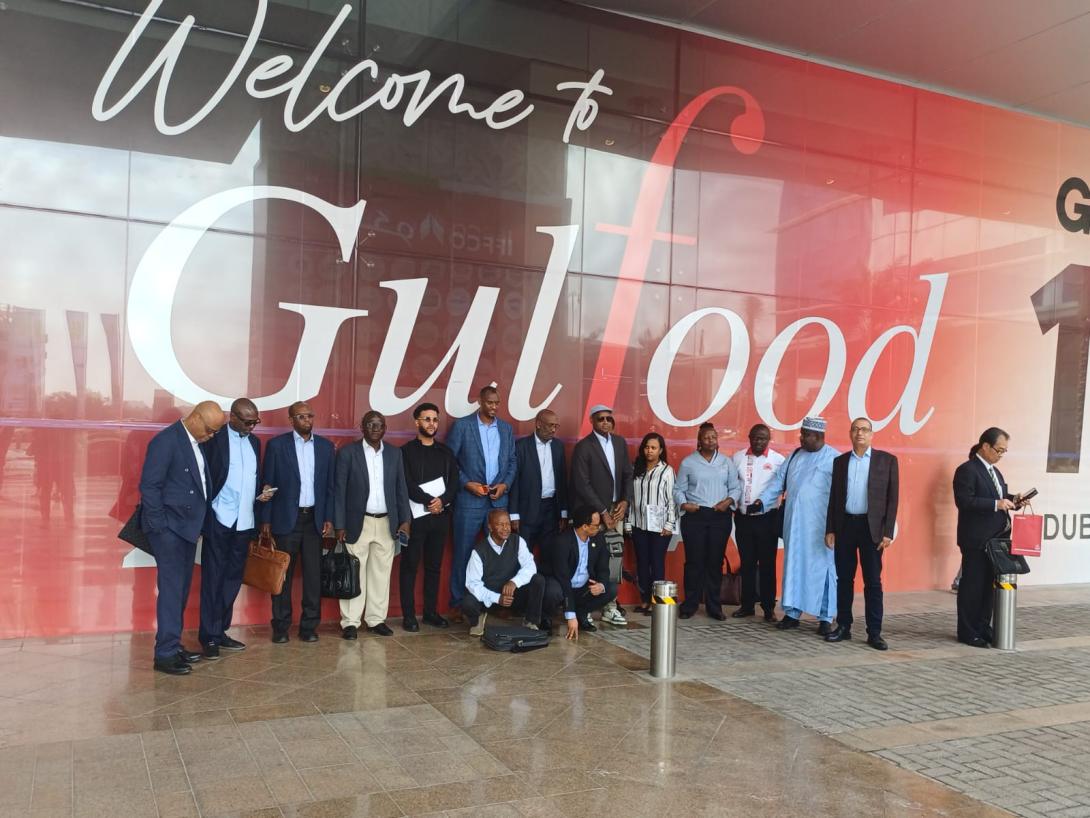
The African Pastoral Markets Development (APMD) Platform is deepening its focus on trade and market facilitation by supporting African meat processors to secure sustainable export markets in the Gulf region. As part of this effort, the project has facilitated the participation of private sector meat processors from Somalia, Kenya, Ethiopia and Nigeria at Gulfood Dubai 2026, alongside targeted business-to-business engagements (B2B) and investment matchmaking activities.
The initiative reflects APMD's SO2, which prioritizes the strengthening of pastoral market ecosystems through private sector partnerships, structured trade linkages, and improved access to high-value regional markets. Rather than a one-off exposure, APMD’s approach is anchored in building commercially viable pathways that enable African processors to move from domestic and informal markets into formal, export-oriented value chains.
The Gulf Cooperation Council (GCC) region remains one of the world’s most import-dependent meat markets, importing billions of dollars’ worth of halal red meat annually to meet growing consumer demand. APMD is leveraging this demand by facilitating direct connections between African processors and Gulf-based importers, distributors, retailers, and food service companies.
Through curated B2B meetings at Gulfood Dubai 2026, participating processors will engage in structured negotiations aimed at securing off-take agreements, distribution partnerships, and long-term supply contracts. These engagements will be complemented by investment matchmaking sessions, where processors will present bankable business propositions to potential investors, logistics partners, and trade financiers seeking scalable and reliable supply from Africa.
The investment matchmaking is designed to translate market access into capital mobilization, enabling processors to scale operations, strengthen working capital positions and attract private investment aligned to export growth. In turn, these investments create stronger and more stable demand for livestock sourced from the pastoral systems, anchoring small-scale producers into formal markets.
By reducing information asymmetries and transaction costs, APMD will be enabling African businesses to compete more effectively in a market that values consistency, traceability, and compliance with international standards. Access to this market, therefore, will present a transformational trade opportunity for African meat processors as export contracts in the GCC are high-volume and recurrent, thus offering predictable cash flows that enable businesses to scale operations, invest in cold chain infrastructure, improve processing standards and secure working capital. In the long-term, supply agreements will enhance bankability, making it easy for processors to crowd in private investment and trade financing instruments.
Recognizing that sustainable trade requires more than commercial deals, APMD is also engaging at the policy and regulatory level. As part of the Dubai mission, AU-IBAR and participating private sector actors will take part in a Dubai Chamber of Commerce breakfast meeting, convening policymakers, regulators, and industry leaders.
The dialogue will address critical issues affecting livestock and livestock product trade, including commodity trade regulations, non-tariff barriers and misrepresentation in meat trade, traceability, and compliance with halal and food safety standards. The engagement aims to improve mutual understanding between African importers and Gulf market regulators, while identifying practical solutions to enhance trust, transparency and ease of doing business.
Cognizant that beyond individual firms, increased exports stimulate upstream pastoral economies by creating stable demand for livestock, improving prices at farm level, and integrating pastoral producers into formal regional value chains, APMD's integrated approach is positioning meat processors to transition from opportunistic exports to structured, long-term participation in regional and global markets.