

African Union Reaffirms Commitment to Sustainable Fisheries at the 5th FishGov2 PSC Meeting
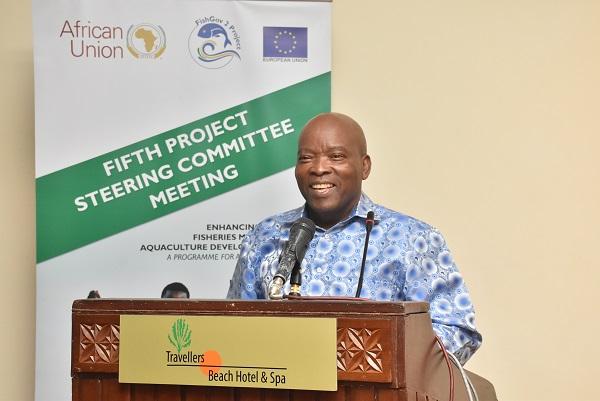
“Africa’s waters must work for Africa’s people”
With this prevailing message, H.E. Dr Moses Vilakati (above picture), Commissioner for Agriculture, Rural Development, Blue Economy and Sustainable Environment, African Union Commission set the tone for the Fifth FishGov2 Steering Committee Meeting in Mombasa, reminding delegates that the continent’s seas, rivers, lakes, and wetlands hold immense potential, not only for economic growth, but for transforming the lives of Africa’s youth and women. His emphasis was clear: job creation, nutrition, and meaningful livelihoods must stand at the heart of Africa’s fisheries and aquaculture agenda, especially as the continent struggles with unemployment among its youngest populations.
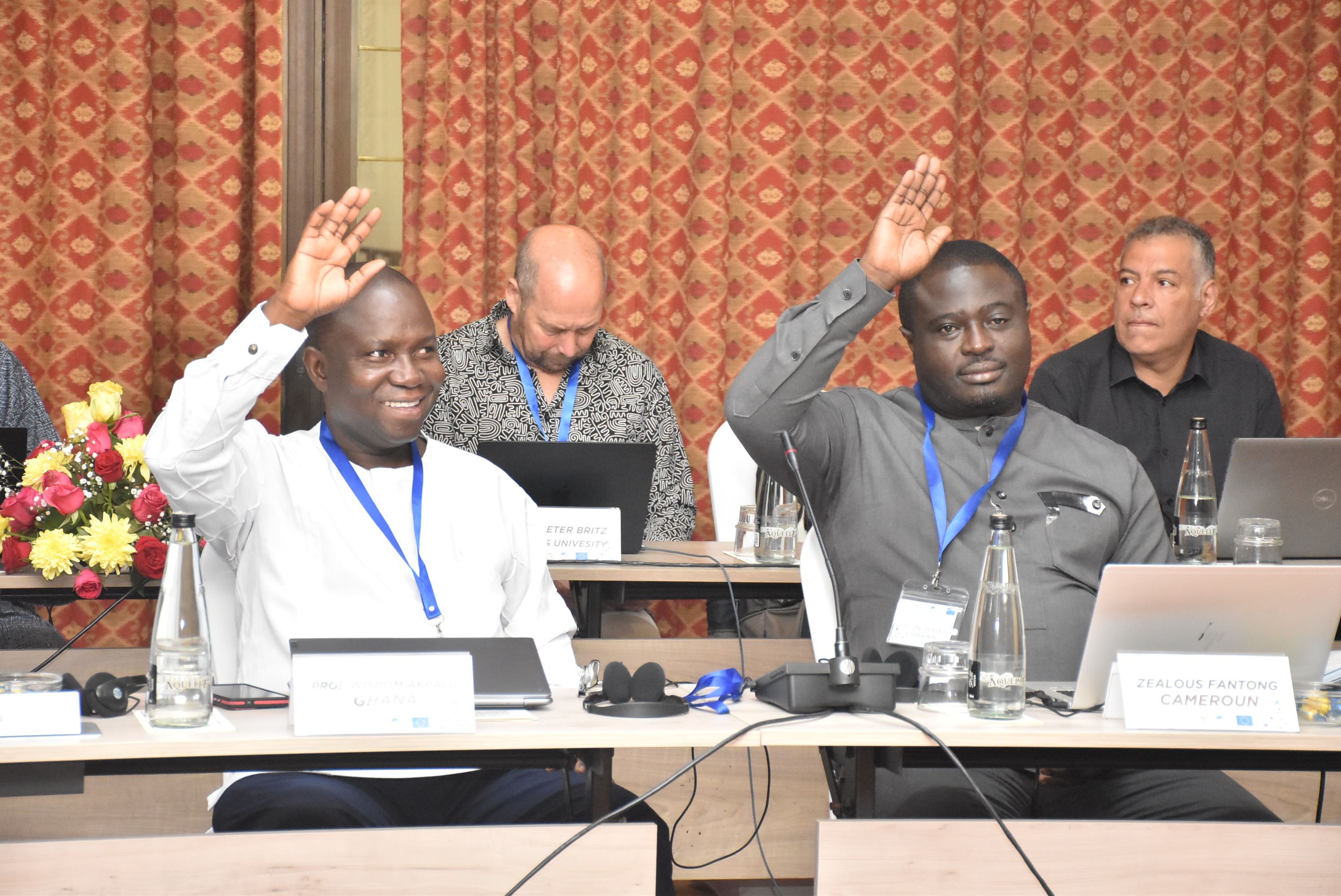
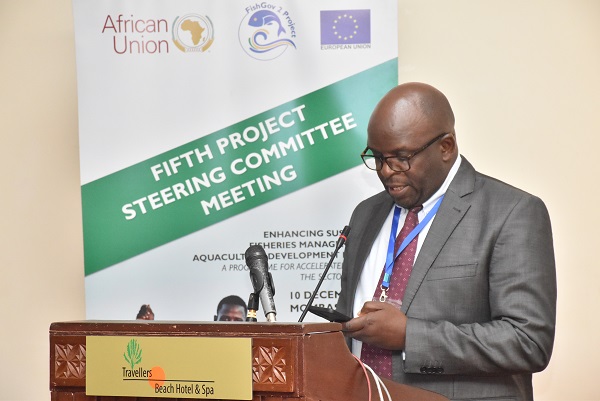
Gathering under this vision, representatives of African Union institutions, Regional Economic Communities, Regional Fisheries Bodies, Centres of Excellence, non-state actor platforms, private sector actors, women’s networks such as AWFISHNET, youth groups, and technical partners including AUDA-NEPAD, FAO, WOAH, and the European Union, convened to assess progress and decide the future direction of the FishGov2 Project. The meeting was a continental conversation on how Africa will govern, protect, and sustainably utilise its aquatic resources in a changing global and climatic landscape.
 |
 |
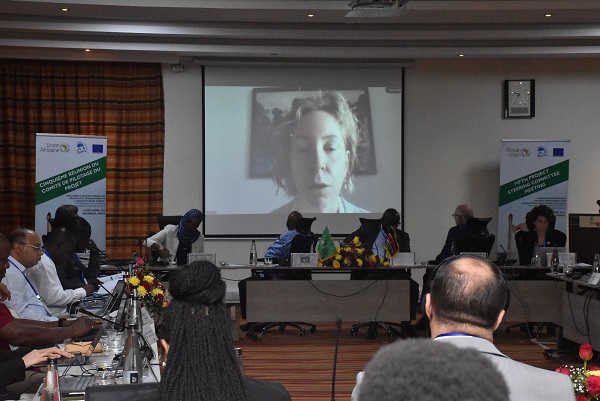 |
The Steering Committee assembled to review implementation achievements, assess financial performance, endorse technical recommendations from the Sixth Project Technical Coordination Committee, and validate the 2026 workplan as FishGov2 enters its final year. Delegates reflected on the project's evolution into a continental benchmark for fisheries governance reforms, evidence-based policymaking, knowledge production, institutional collaboration, and blue economy development. This reflection laid the groundwork for shaping a smooth transition into FishGov3.
From the outset, the meeting generated strong outcomes. The Committee endorsed all documents presented and commended AU-IBAR and its partners for significant progress despite implementation challenges. Delegates stressed that the gains made under FishGov2 must not be lost due to funding interruptions, recommending that the African Union and its partners mobilise resources to bridge the transition gap into FishGov3. They further advised AU-IBAR to formally request the use of contingency budget lines for emerging needs, a recognition that the sector’s priorities continue to evolve rapidly. Alongside this, the institutionalisation of AFAData—Africa’s fisheries and aquaculture data platform—was elevated as a top strategic priority. Members agreed that transparent, harmonised, and scientifically credible data remain fundamental to sustainable fisheries governance and regional decision-making.
Yet the soul of the meeting lay in the collective commitment to Africa’s young people. Building on the Commissioner’s impassioned call, delegates underlined the urgency of designing pathways for youth employment and entrepreneurship across the fisheries and aquaculture value chain. Recommendations included developing a dedicated AU programme to attract and retain youth, creating a concept note to commemorate an AU Year of Youth in Fisheries and Aquaculture, and strengthening professional and technical training through Centres of Excellence. These measures signal a decisive shift toward a more inclusive sector, one where young Africans can innovate, lead, and build resilient livelihoods.
Women’s leadership was equally recognised, with platforms such as AWFISHNET and AFRIFISH-NET applauded for their contributions to governance, advocacy, and value addition within the fisheries sector. Their presence underscored that transformational outcomes require voices from every layer of society, from artisanal processors to regional policymakers.
Partners delivered strong expressions of solidarity. AUDA-NEPAD highlighted the project’s alignment with African policy instruments and praised the detailed progress presented through the PTCC. FAO celebrated FishGov2 as a continental reference for inclusive development and sustainable management. WOAH emphasised the importance of strengthening aquatic animal health systems and harmonising SPS and biosecurity measures across Africa’s value chains. The European Union reaffirmed its commitment to collaborative governance, environmental sustainability, and long-term support, noting key achievements such as the establishment of AFAData, the creation of Centres of Excellence, and the development of influential knowledge products.
As the meeting drew to a close, the Commissioner expressed deep appreciation to Member States, partners, and technical teams, reaffirming the African Union's full commitment to safeguarding the gains made under FishGov2 and ensuring a smooth, strategic transition to FishGov3. He highlighted the project’s central role in delivering the Policy Framework and Reform Strategy for Fisheries and Aquaculture (PFRS) and the Africa Blue Economy Strategy, noting its direct contributions to food security, nutrition, job creation, and livelihoods for more than 200 million Africans. He emphasised that Africa’s progress must be continuous, collaborative, and anchored in the inclusive participation of women and youth.
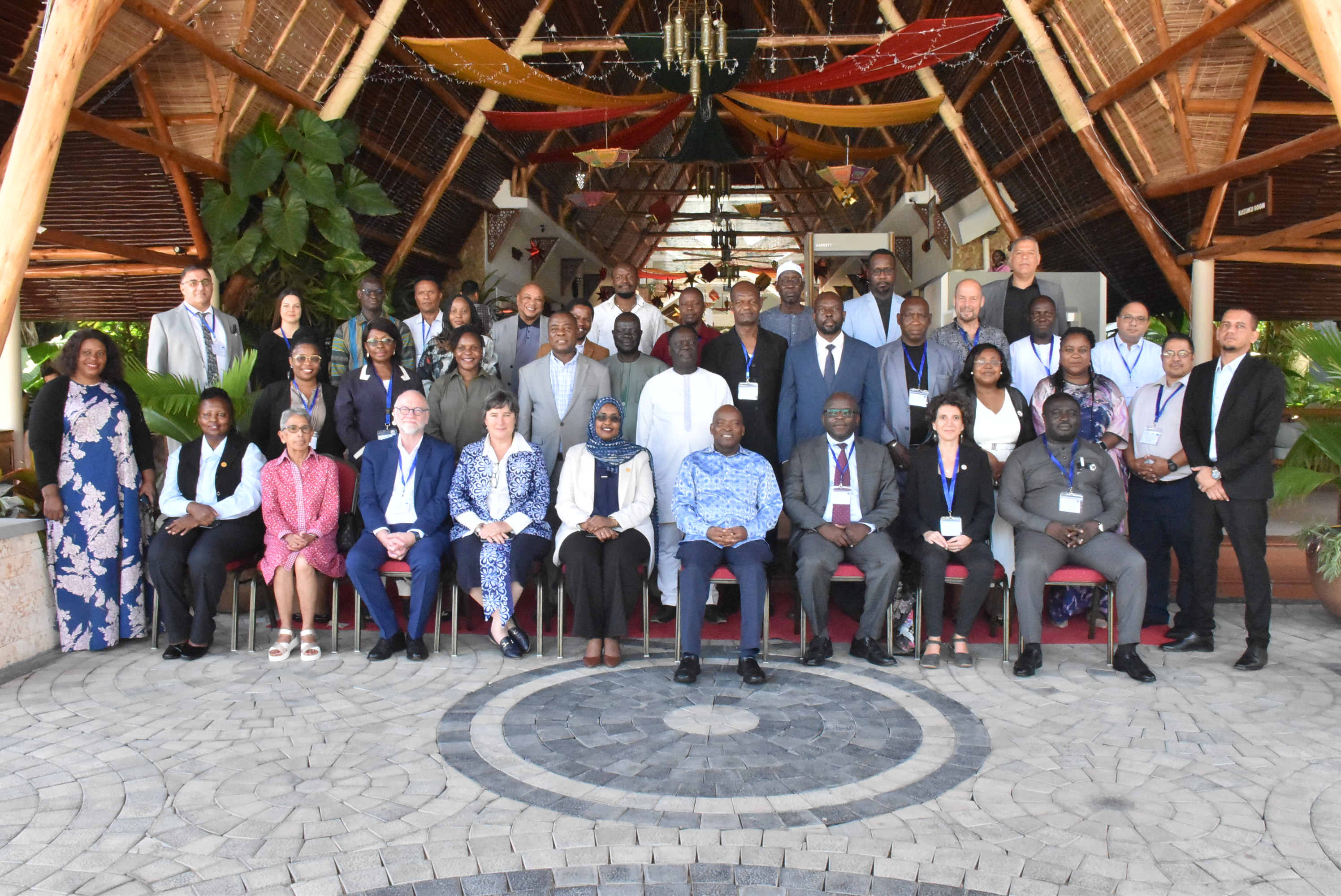
The atmosphere in Mombasa closed with a renewed sense of unity and determination. Delegates left with a clear understanding that FishGov2 is a continental platform for reform, learning, innovation, and governance transformation. The meeting reaffirmed that Africa’s fisheries and aquaculture sector can shape a more prosperous and resilient future, provided that collaboration remains strong, knowledge systems are strengthened, and young people are empowered to lead the next wave of growth.
The story emerging from Mombasa is therefore one of momentum and shared purpose: Africa is preparing not just to manage its waters, but to transform them into engines of opportunity, sustainability, and continental renewal.