
Africa’s Voice on Animal Health Investment at the 93rd WOAH General Session
The 93rd General Session of the World Assembly of Delegates of the World Organisation for Animal Health opened in Paris, France, with a clear call to treat animal health as a smart and urgent investment priority. Taking place from 18 to 22 May 2026, the General Session brings together Members of the World Organisation for Animal Health, international organisations, observer countries, partners and stakeholders to deliberate on global animal health priorities, international standards, governance matters, technical resolutions and the Organisation’s 8th Strategic Plan.
This year’s Animal Health Forum is being held under the theme “Investing in Animal Health to Secure Everyone’s Future.” The theme places animal health at the centre of food security, public health, trade, economic resilience and global stability.
Opening Ceremony: Animal Health as a Smart Investment
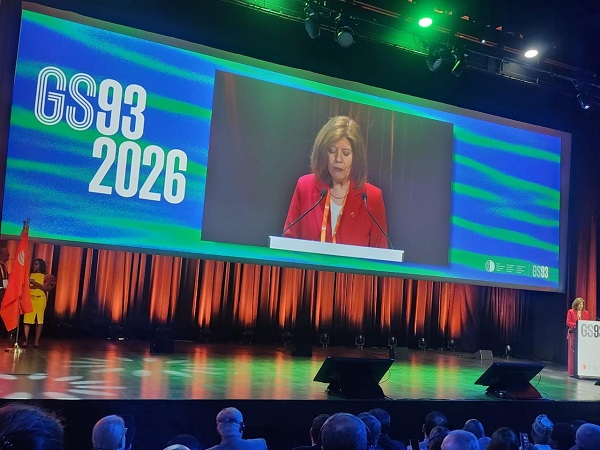
During the opening ceremony, Dr Susana Guedes Pombo, President of the World Organisation for Animal Health World Assembly of Delegates, emphasised the need to position animal health as a major, smart investment priority. Her message was that animal health is not only a technical or veterinary matter, but a foundation for stronger economies, safer food systems, healthier communities and global stability.
As highlighted during the opening:
“Investing in animal health is investing in global stability.”
— Dr Susana Guedes Pombo, President of the World Organisation for Animal Health World Assembly of Delegates
Dr Pombo also stressed the importance of working together through stronger coordination and collaboration. This message was central to the opening ceremony because animal diseases move across borders, trade routes, ecosystems and communities. No country can protect animal health effectively in isolation.
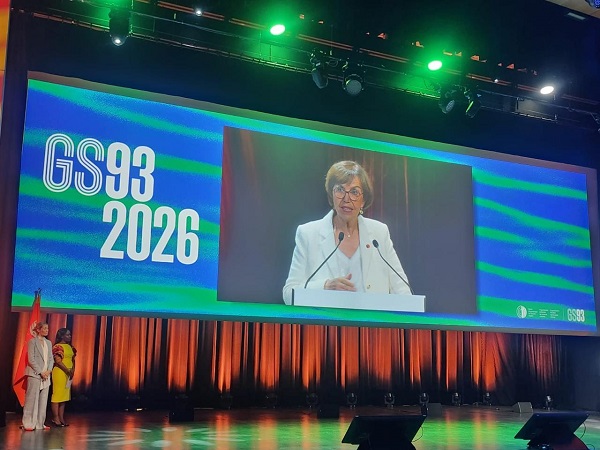
The opening ceremony also included remarks by Dr Emmanuelle Soubeyran, Director General of the World Organisation for Animal Health, who reinforced the importance of stronger Veterinary Services, international standards, science-based decisions and collective action. Other governmental and international authorities also addressed the opening ceremony, which the official programme lists as including inaugural addresses by the President, the Director General, and governmental and international authorities.
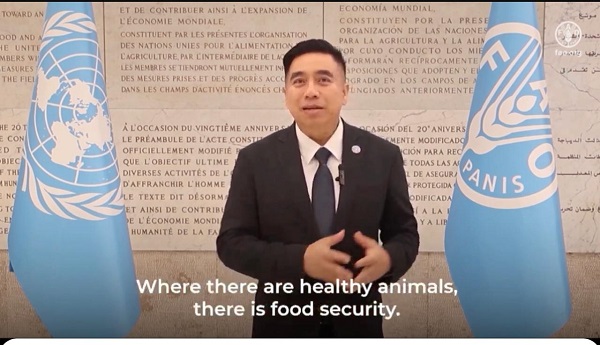
The key messages from the opening were clear: the world must invest earlier, smarter and more collectively in prevention; Veterinary Services must be strengthened as essential public goods; and animal health must be fully recognised as part of food security, trade, pandemic prevention and economic resilience. As noted by FAO: "Where there are Healthy Animals, there is food security."
 |
 |
 |
Programme of the 93rd General Session
The General Session includes Regional Commission meetings, the Animal Health Forum, plenary and administrative sessions, technical discussions on animal health standards, reports from specialist commissions, regional activity updates and the adoption of resolutions. Key sessions include high-level panels on financing animal health, technical panels on economic evidence and co-investment, discussions on the 8th Strategic Plan, the global animal health situation, standards proposed for adoption, regional activities and the closing ceremony.
High-Level Panel: Financing Animal Health
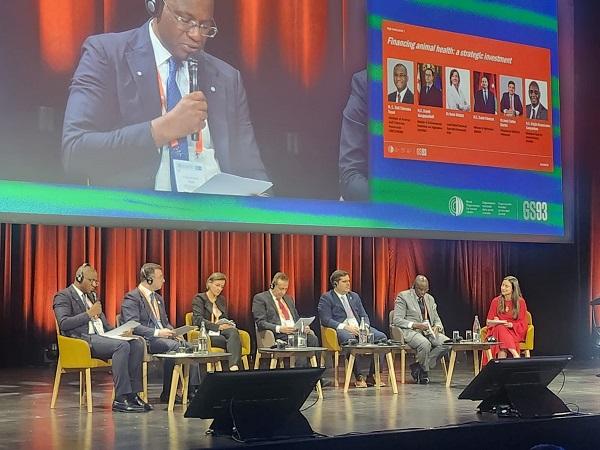
After the opening ceremony, the Animal Health Forum proceeded with a high-level panel discussion on Financing Animal Health. The session focused on how governments, industry and partners can better finance animal health systems and position animal health as a strategic investment.
Africa was represented in the high-level panel by H.E. Sidi Tiémoko Touré, Minister of Animal and Fisheries Resources of Côte d’Ivoire, and H.E. Bright Rwamirama, Minister of State for Animal Industry of Uganda. Their interventions brought an important African perspective to the global discussion, especially on the control of transboundary animal diseases.
A key message from the African ministers was:
“The control and management of transboundary animal diseases cannot be done individually. Diseases do not recognise borders.”
— Message from the African ministerial interventions during the high-level panel
This message is highly relevant for Africa, where livestock mobility, pastoral systems, shared grazing areas, regional markets and cross-border trade connect countries closely. An outbreak in one country can quickly affect neighbouring countries, disrupt trade, reduce productivity, threaten livelihoods and increase the cost of emergency response.
The African ministers therefore stressed that disease prevention and control must be collaborative, coordinated and regional. Countries need shared surveillance, early warning, vaccination, laboratory systems, border coordination and harmonised disease control strategies.
Other African Ministers and Senior Leaders Contributing to the Investment Message
Beyond the two African ministers who participated in the high-level panel, several African ministers and senior leaders were also part of the wider ministerial engagement around investment in animal health. Their participation reflected the strong continental interest in repositioning animal health as a development, trade, food security and resilience priority.
These included H.E. Edwin Gorataone Dikoloti, Minister of Lands and Agriculture of Botswana; H.E. Sidi Tiémoko Touré, Minister of Animal and Fisheries Resources of Côte d’Ivoire; H.E. Mandla Tshawuka, Minister of Agriculture of Eswatini; H.E. Félix Lamah, Minister of Livestock of Guinea; H.E. Riana Nantenaina Randriamonjenahary, Minister of Livestock of Madagascar; H.E. Idi Muktar Maiha, Minister of Livestock Development of Nigeria; H.E. Bright Rwamirama, Minister of State for Animal Industry of Uganda; H.E. Hassan Hussein Mohamed, Minister of Livestock, Forestry and Range of Somalia
Their collective presence reinforced Africa’s key message that animal health investment is central to protecting livelihoods, strengthening Veterinary Services, improving food security, supporting safe trade and building resilience against transboundary animal diseases.
Investment, Science and Trust
A strong message across the opening ceremony and the high-level panel was that animal health systems must be built on investment, science and trust.
Investment is needed to strengthen Veterinary Services, laboratories, surveillance, vaccination, emergency preparedness and field-level disease control. Science is needed to guide decisions, identify risks, measure the cost of inaction and show the benefits of prevention. Trust is needed between governments, industry, farmers, communities, researchers and development partners.
For Africa, these three elements are closely linked. Countries need stronger investment to build systems, stronger science to guide priorities, and stronger trust to ensure that communities, governments and industry work together.
Government and Industry Must Work Together
Another important message from the discussions was that government and industry must work together more strongly. Governments have a central role in regulation, disease surveillance, public Veterinary Services, standards and emergency response. However, farmers, traders, veterinary professionals, vaccine producers, pharmaceutical companies, processors and exporters are also essential to effective animal health systems.
For Africa, this cooperation is important in vaccination, disease reporting, veterinary medicines, animal identification, cross-border trade, laboratory services and livestock value chains. Animal health investment will be more effective when public institutions and private actors share responsibility and work towards common goals.
AU-IBAR’s Strategic Interest
The 93rd General Session is an important platform for AU-IBAR and African Union Member States. It provides an opportunity to strengthen Africa’s voice in global animal health governance, standard-setting, disease prevention and investment mobilisation.
Several sessions are directly relevant to the Bureau’s work, including discussions on financing animal health, economic evidence for animal health investment, co-investment across value chains, innovation and digitalisation of animal health services, regional coordination and the update on the Regional Representation for Africa. These areas align with the Bureau’s work in supporting African Union Member States in strengthening animal health systems, controlling transboundary animal diseases, promoting safe trade, improving veterinary governance, and advancing One Health approaches.
AU-IBAR and the Rabies Investment Agenda
A key engagement for the African Union Inter-African Bureau for Animal Resources during the General Session is the high-profile rabies meeting taking place on 19 May 2026, from 13:15 to 14:15 Central European Summer Time.
Dr Huyam Salih, Director, AU-IBAR is expected to participate in the country perspective segment with a brief intervention on the Pan-African Strategy for the Elimination of Rabies in Africa 2026–2030.
This intervention links Africa’s rabies elimination agenda to the Animal Health Forum's broader investment theme. The Pan-African Strategy for the Elimination of Rabies in Africa provides a continental framework to support countries in mobilising resources, coordinating action and making better use of existing financing opportunities.
As AU-IBAR will highlight:
“The Pan-African Strategy for the Elimination of Rabies in Africa provides African countries with a coordinated investment pathway for rabies elimination, helping move from fragmented interventions to sustained, accountable and well-financed national and regional action.”
— Dr Huyam Salih, Director of the African Union Inter-African Bureau for Animal Resources
Rabies remains preventable, yet it continues to affect many communities in Africa, particularly children and rural populations. Investing in rabies elimination is therefore an investment in lives, community health, Veterinary Services and One Health systems.
Key Messages for Africa
The General Session has already produced clear messages for Africa. Animal health is a smart investment in food security, trade, public health, livelihoods and global stability. Transboundary animal diseases cannot be managed by countries working alone because diseases do not recognise borders. Regional cooperation, coordination and shared financing are essential for effective disease prevention and control. Science, evidence and trust must guide investment decisions. Government and industry must also work together to strengthen animal health systems and livestock value chains.
Conclusion
The opening of the 93rd General Session placed animal health firmly at the centre of the global investment agenda. Dr Susana Guedes Pombo emphasised that investing in animal health is investing in global stability, while the high-level panel that followed showed why stronger financing, coordination and collaboration are urgently needed.
For Africa, the message was clear. As highlighted by H.E. Sidi Tiémoko Touré and H.E. Bright Rwamirama, transboundary animal diseases cannot be controlled by countries acting alone because diseases do not recognise borders.
The wider participation of African ministers and senior leaders, including representatives from Botswana, Côte d’Ivoire, Eswatini, Guinea, Madagascar, Nigeria, Uganda, Somalia and Zambia, further demonstrated Africa’s commitment to positioning animal health as a priority for investment, resilience, safe trade and sustainable development.
For the African Union Inter-African Bureau for Animal Resources, the General Session provides an important opportunity to promote Africa’s priorities, strengthen regional collaboration and position continental initiatives such as the Pan-African Strategy for the Elimination of Rabies in Africa within the wider investment agenda. The task ahead is to translate the discussions in Paris into stronger financing, better coordination and practical action across African Union Member States.