

AU-IBAR Showcases Strategic Vision for Livestock Transformation at ICC Kenya Business Summit 2026
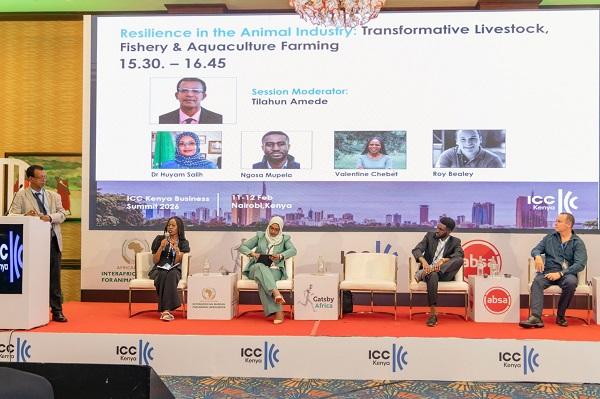
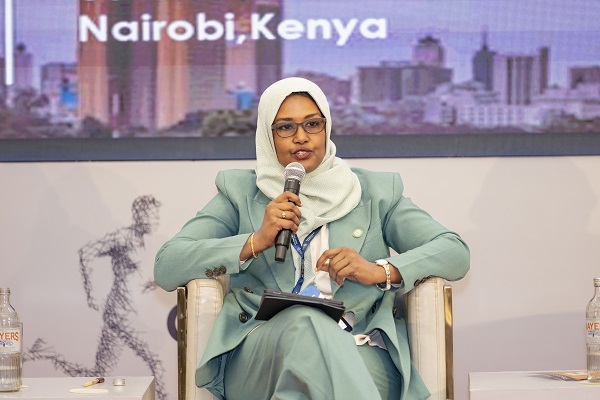
“Africa’s livestock sector already contributes over USD 210 billion annually, yet we continue to import products we could produce ourselves. The question is whether we will seize the billion-dollar opportunity before us.” This message from Dr Huyam Salih, Director of AU-IBAR, framed the urgency of transforming Africa’s livestock systems during the panel discussion on “Resilience in the Animal Industry” at the ICC Kenya Business Summit 2026 in Nairobi.
Her remarks highlighted a central contradiction in Africa’s development trajectory: while the continent has one of the world’s largest livestock populations, its systems remain fragmented, underinvested in, and insufficiently integrated into competitive regional and global markets.
Building Systems to Enable Transformation
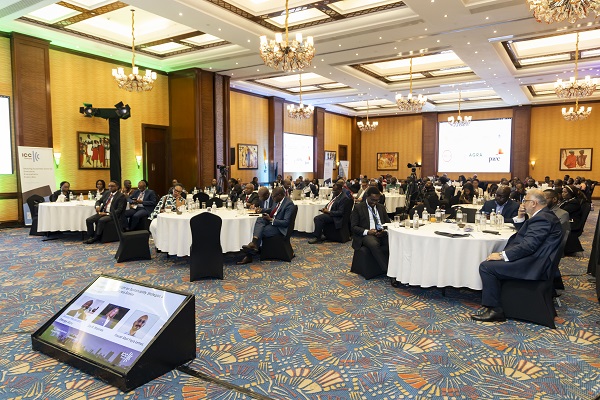
The livestock panel was part of a comprehensive summit programme that addressed the structural foundations required for Africa’s economic transformation. Sessions explored sustainable agriculture, precision farming, digital trade, sustainable finance, and green infrastructure, emphasising the need to move beyond production toward integrated, market-driven systems. Speakers highlighted the importance of strengthening agricultural value chains, improving access to finance, digitising trade systems, and mobilising private investment. These discussions reinforced that Africa’s competitiveness will depend on its ability to connect production systems with efficient markets, modern infrastructure, and coordinated investment frameworks.
Digital transformation was identified as a critical enabler, helping to reduce trade complexity, improve transparency, and expand market participation, while discussions on sustainable finance emphasised partnerships among governments, financial institutions, and investors to unlock large-scale agricultural and infrastructure investment.
 |
 |
 |
Livestock Transformation as a Strategic Economic Priority
Speaking as part of a high-level panel that included development partners and private sector leaders, Dr Salih emphasised that livestock must move beyond subsistence and become a structured, investable economic sector. The transformation requires strengthening animal health systems, improving feed and genetics, expanding processing infrastructure, and integrating livestock value chains across production, processing, and trade.
She highlighted AU-IBAR’s continental role in supporting Member States to modernise livestock systems, including efforts to strengthen veterinary services, improve disease control, and enable safe regional trade. These investments are essential for protecting livelihoods, unlocking market opportunities, and attracting private-sector investment.
Importantly, AU-IBAR’s approach promotes climate-smart livestock systems that increase productivity while reducing environmental impact, positioning Africa’s livestock sector as both economically and environmentally sustainable.
Livestock as a Catalyst for Africa’s Economic Transformation
A key conclusion from the summit is that livestock is one of Africa’s most strategic opportunities to advance food security, economic growth, and trade integration. Rising demand for animal protein, combined with Africa’s vast livestock resources, creates a strong foundation for expansion.
However, realising this potential requires coordinated action, strengthening animal health systems, investing in infrastructure, integrating value chains, and enabling investment. The summit discussions made clear that livestock transformation must be supported by broader progress in digital trade, sustainable finance, and regional market integration.
Through its leadership and continental coordination role, AU-IBAR is helping shift livestock from a fragmented subsistence activity to a structured economic sector capable of driving inclusive growth.
As emphasised by Dr Salih, Africa’s livestock sector has the potential to feed its population, create jobs, and strengthen trade competitiveness. The opportunity is clear. What remains is the collective commitment to transform potential into performance.