

Dubai signals rising red meat demand, opens doors to African exporters
Dubai International Chamber hosted a business briefing session on the sidelines of Gulfood 2026, bringing together 400+ representatives from international food and beverage companies, including the APMD-supported delegates from Ethiopia, Kenya, Somalia and Nigeria.
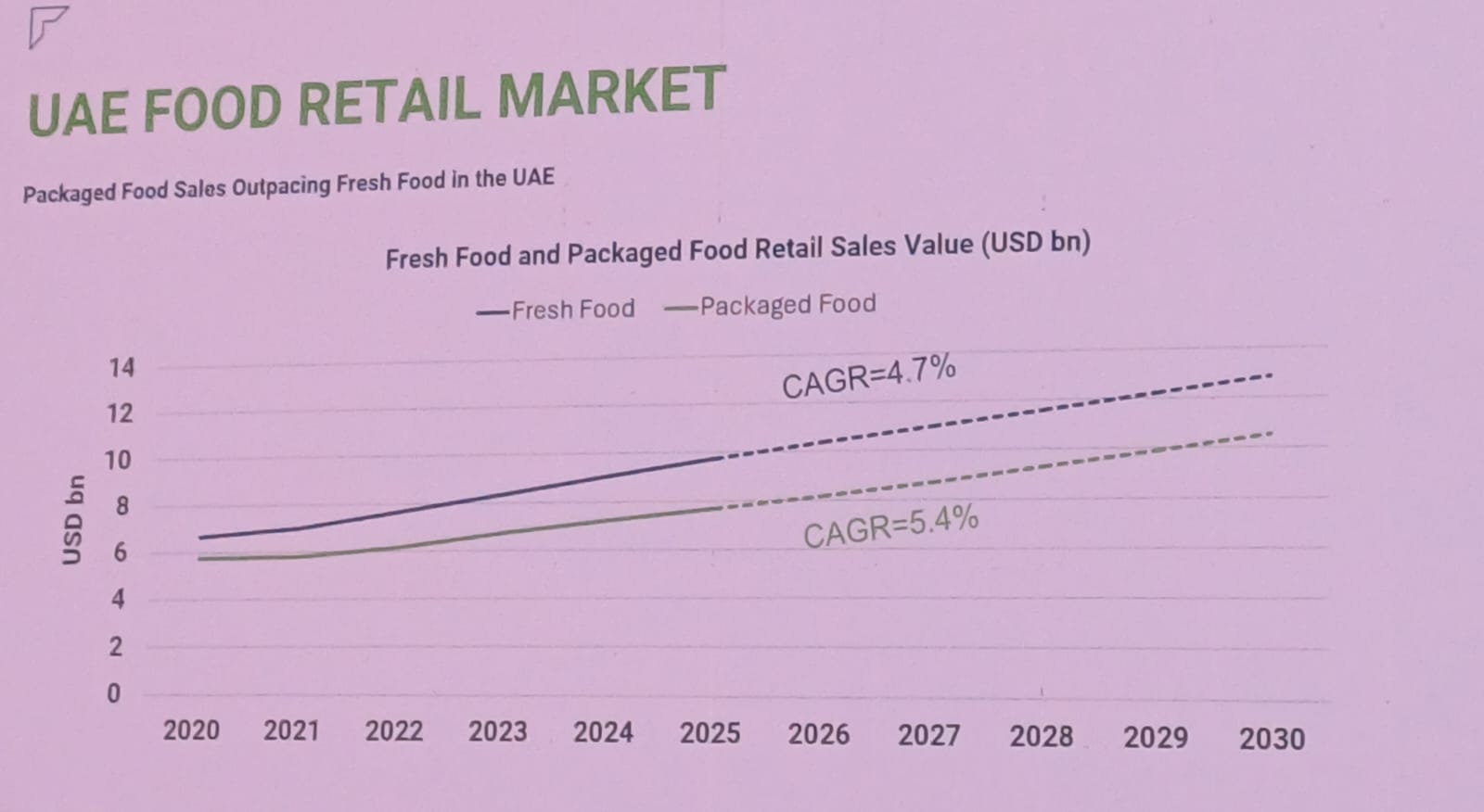
The event explored the latest market data and key trends shaping the UAE’s food sector, featuring presentations highlighting Dubai’s strengths as a leading global hub for trade and manufacturing of food and beverage.
During the briefings, the Chamber presented the latest market intelligence on food consumption trends, noting that rapid population growth and a thriving tourism industry have become the major drivers of food demand with a compounded annual growth rate (CAGR) of 3.1% between 2014 and 2024. Particular emphasis was placed on the rising consumption of red meat, attributed to its protein value and its role in hospitality, retail and food service sector.
According to the data shared, meat commands the largest share of the retail food category in Dubai, generating US$3.1 billion in retail sales in 2025 and is expected to record a CAGR of 5.1% by 2030, thus underscoring the growing commercial case for sustained investment in meat production, processing and import supply chains. Therefore, creating opportunities for a reliable exporter capable of meeting volume, quality and regulatory requirements.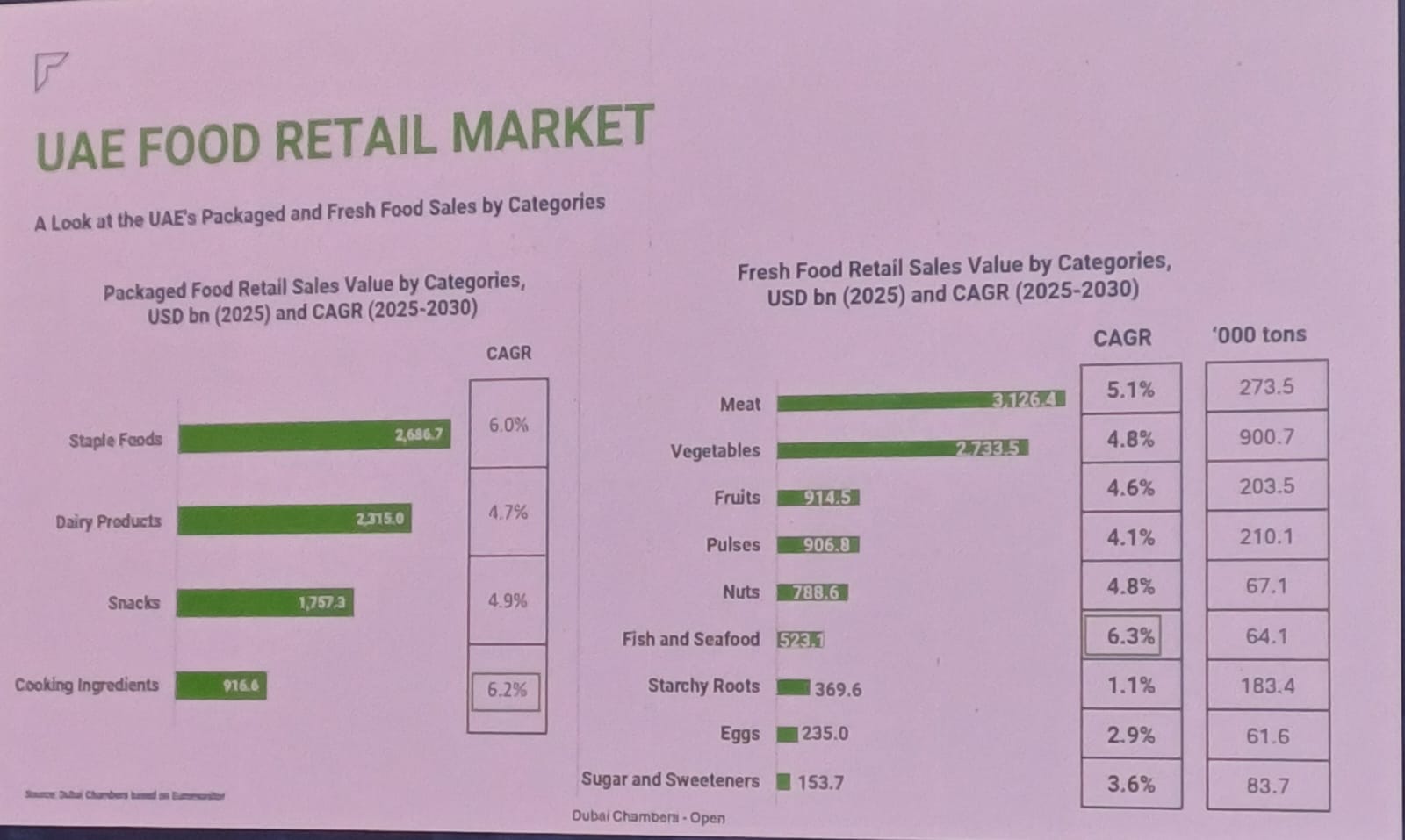
Beyond market opportunities, APMD delegates engaged the Dubai Chamber on challenges related to fraud in international trade, particularly cases where buyers fail to remit payment after receiving consignments. The Chamber emphasized the importance of due deligence before entering into trade agreements, advising exporters to verify trading partners through formal channels.
The Chamber stated that exporters facing payment disputes are encouraged to engage the Chamber's mediation and legal advisory services as a first step, prior to pursuing litigation through the courts. These mechanisms, the Chamber noted, are designed to resolve disputes efficiently while safeguarding commercial relationships. “We are able to intervene through structured processes that protect commercial interests and work toward fair outcomes for exporters,” Mr. Mohamed Ali added. Delegates were assured that the Chamber has the capacity to follow up on reported cases and support exporters in pursuing fair outcomes.
The briefing meeting was also attended by Ambassador of Kenya to the UAE, H. E Kenneth Milimo Nganga, and the Consul General, who expressed appreciation for the engagement and reaffirmed their commitment to supporting African meat processors seeking to do business in the UAE. They highlighted the role of diplomatic missions in facilitating trade relations, providing market intelligence, and supporting exporters navigating regulatory and commercial processes.
On investment, the Dubai Chamber encouraged African processors to consider establishing a presence in Dubai either through service-based operations or trading entities. Clearly distinguishing the two, service entities are designed to support logistics, marketing and coordination functions, whereas, trading entities are licensed to import, distribute and re-export goods within and beyond the UAE. “Dubai offers clear and flexible investment frameworks for both service and trading activities, and we encourage African businesses to explore the option that best aligns with their commercial objectives,” the Chamber stated.
Further, the Chamber expressed openness to government-to-government (G2G) investment partnerships with African countries, provided the proposed venture is commercially viable and demonstrates clear economic returns. Such partnerships, the Chamber noted, could play a role in strengthening long-term food supply relationships. In addition to investment matchmaking, the processors were urged to register with the Dubai Chamber of Commerce, granting them access to business networks, market intelligence, dispute resolution services, and broader regional and international markets.
The engagement reinforced Dubai’s position as a strategic gateway for food trade into the Middle East and beyond, while highlighting the importance of structured market entry, compliance, and institutional support. On the other hand, for APMD-supported processors, the meeting provided practical insights into demand trends, risk mitigation, and investment pathways that are key elements for building sustainable and competitive participation in international meat markets.