

Guinea-Bissau: a decisive step towards eradicating PPR by 2030
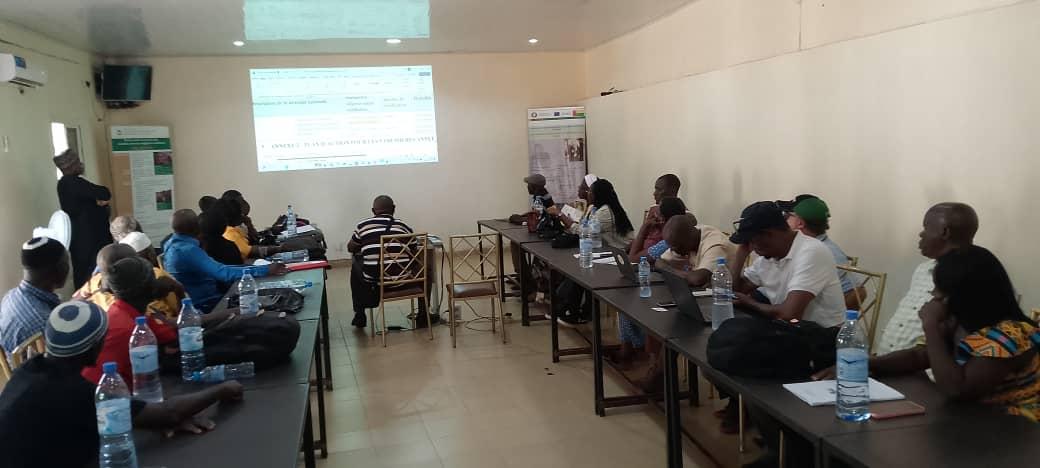
Bissau, November 5-6, 2025 Guinea-Bissau has just taken another major step forward in the fight against Peste des Petits Ruminants (PPR) by organizing a national workshop to align its Strategic Plan for the Eradication of the disease. The initiative, held at the Directorate General of Livestock, is part of the continental effort led by the African Union (AU-BIRA), FAO, OMSA, and ECOWAS to permanently eliminate PPR from the continent by 2030.
PPR remains one of the most destructive animal diseases in Africa, causing recurrent outbreaks and mortality rates that can exceed 80%. The losses recorded in Guinea-Bissau over the last five years, with mortality rates of up to 82% in 2020, 80% in 2022, and 75% in 2023, testify to the seriousness of the situation and the urgency of a coordinated response.
In a country where small ruminants are a vital resource for rural households, their loss compromises food security, income, and community resilience.
Opening the workshop on behalf of the Minister of Agriculture and Rural Development, the Chief of Staff reiterated the government's political will to accelerate the fight against PPR. The Director General of Livestock, Mr. Issuf Baldé, reaffirmed the strategic importance of livestock as a pillar of the fight against poverty.
“The country is ready to strengthen its national control system and to align itself fully with regional and international frameworks,” he said, stressing the need for a more robust and better-funded veterinary system.
Representing AU-IBAR, Dr. Hassan Adakal commended the country's progress, noting that this strategic update represents a key opportunity to harmonize national interventions with regional standards and benefit from enhanced technical and financial support. He emphasized the need for aligned plans to achieve the 2030 goal.
Participants from regional livestock services, livestock associations, NGOs, and experts worked in three groups to review and revise the entire national document. Several major needs were identified:
- Better integrate recent epidemiological data, including outbreaks recorded between 2020 and 2024;
- Clarify national and regional coordination mechanisms;
- Document lessons learned during the first phase of the NSP;
- Specify sources of funding, including a national budget contribution;
- Align the structure of the document with ECOWAS/AU-IBAR templates.
These improvements will strengthen the consistency of the plan and ensure its compliance with international requirements. Persistent challenges: funding, community buy-in, cross-border coordination.
The report highlighted several major constraints:
- heavy dependence on external funding for the operation of veterinary services;
- low participation by livestock farmers due to lack of awareness and animal wandering;
- the absence of vaccination campaigns synchronized with neighboring countries is a critical obstacle to the sustainable elimination of the virus.
At the end of the meeting, participants made several important recommendations:
- Create a national budget line dedicated to the continuous operation of veterinary services.
- Raise awareness among livestock farmers, particularly through community and multilingual channels.
- Organize synchronized cross-border vaccination campaigns in accordance with regional guidelines.
- Improve surveillance and data reporting, an essential pillar for the rapid detection of outbreaks.
This workshop marks an important turning point for Guinea-Bissau, which is demonstrating a clear commitment to fully embark on the path to eradicating PPR. Through enhanced coordination, renewed political commitment, and deeper technical alignment, the country is moving decisively toward a future where livestock farmers will be better protected and their livelihoods will be more secure.