

Sudan Advancing Policy Alignment for Sustainable Fisheries and Aquaculture Development
The importance of aligning national fisheries and aquaculture strategies with continental frameworks cannot be overstated. It is a critical foundation for unlocking sustainable growth, strengthening food systems, and ensuring that Africa’s aquatic resources are managed to deliver long-term economic, social, and environmental benefits.
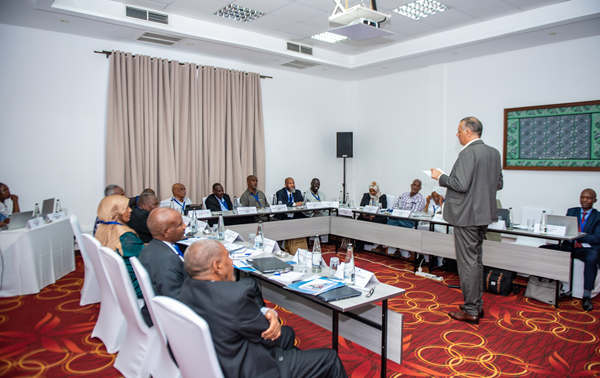
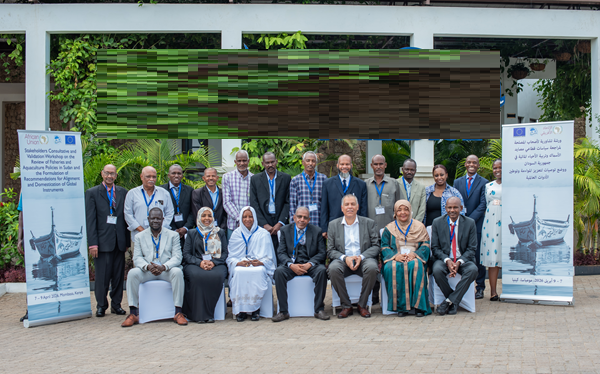
From 7 to 9 April 2026, this imperative is being advanced through the Stakeholder Consultation and Validation Workshop for Sudan, bringing together key actors across government, research, the private sector, and development partners. This engagement is more than a technical exercise; it is a strategic intervention to reposition the fisheries and aquaculture sector as a driver of resilience and inclusive development.
 |
 |
Through the FishGov2 Project, funded by the European Union, the workshop contributes to translating continental ambitions under Agenda 2063 into concrete national action. By aligning policies and investment plans with the Policy Framework and Reform Strategy for Fisheries and Aquaculture in Africa (PFRS) and integrating climate change adaptation, Sudan is strengthening its capacity to respond to both current challenges and emerging risks.
Speaking on behalf of Dr Huyam Salih (Director of AU-IBAR), Mr Rafik Nouaili noted that this initiative is equally significant in the focus on the domestication of global instruments. He observed that contextualising international standards within national systems ensures that governance reforms are practical, enforceable, and responsive to local realities. The workshop provides a platform to identify gaps, validate priorities, and develop actionable recommendations to guide implementation.
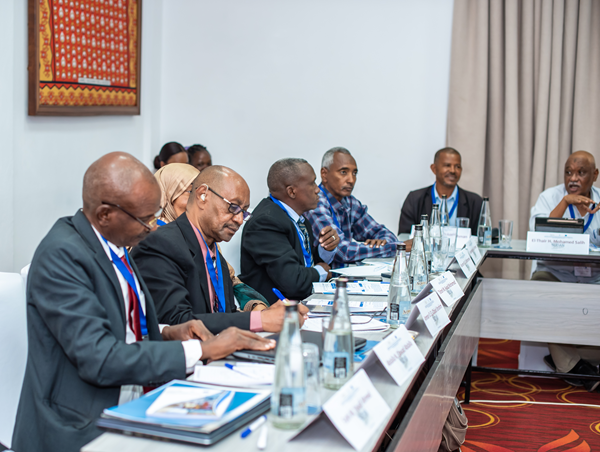
A defining strength of this initiative is its multi-stakeholder approach. By convening diverse expertise, it fosters shared ownership, enhances coordination, and ensures that solutions are grounded in both evidence and experience. This is central to the value that FishGov2 brings, supporting Member States to move from fragmented efforts toward integrated, knowledge-driven governance systems.
The outcomes of this process are expected to strengthen policy coherence, improve investment targeting, enhance climate resilience, and reinforce sustainable resource management. More broadly, it contributes to building a fisheries and aquaculture sector that is not only productive but also equitable and future-ready.
As Africa continues to advance its Blue Economy agenda, such strategic engagements are essential in shaping a resilient and prosperous future for the continent’s aquatic resources.