

AU-PANVAC Advances Recombinant Antigen Development to Strengthen PPR Diagnostics
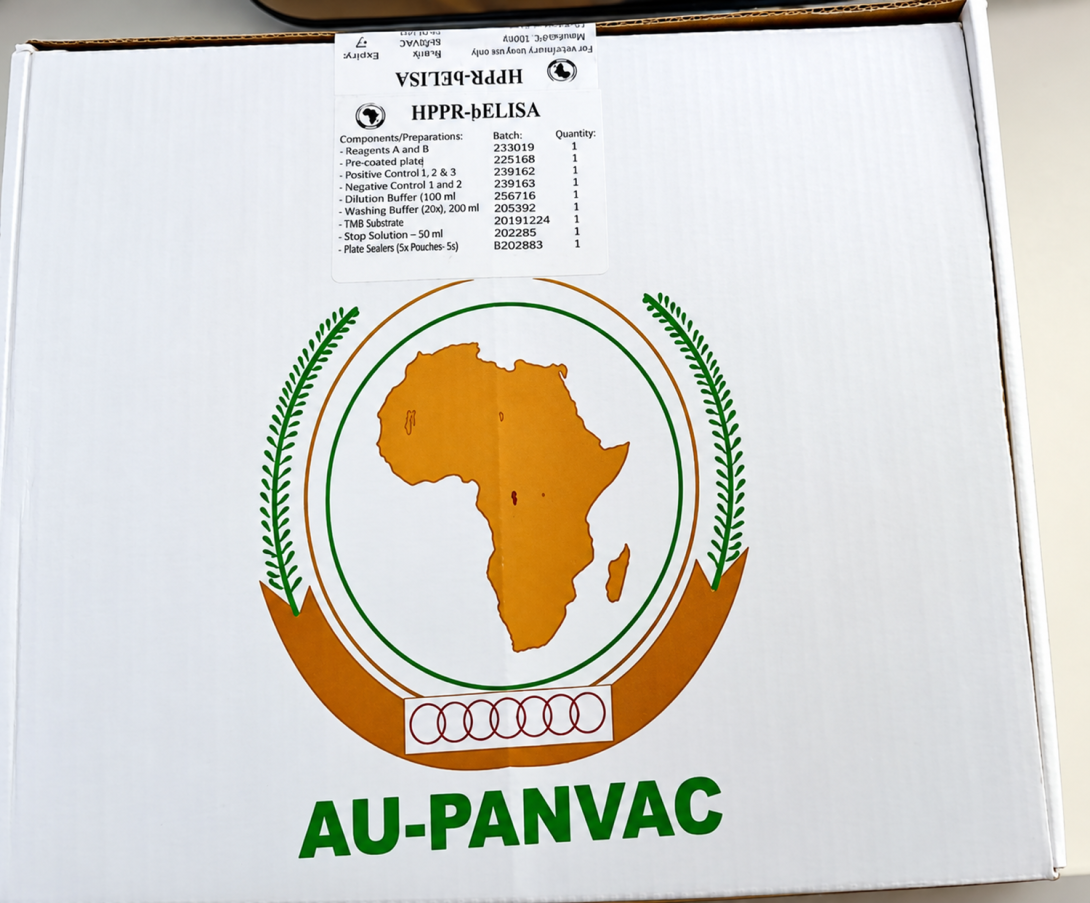
During August and September 2026, the African Union Pan African Veterinary Vaccine Centre (AU-PANVAC) supplied HPPR-bELISA serology kits to national laboratories in Liberia, Sierra Leone, South Sudan and Sudan to test approximately 12,320 serum samples, strengthening the resources available for Peste des Petits Ruminants (PPR) surveillance. Liberia and Sierra Leone each received one kit, while South Sudan and Sudan each received two.
This support addresses a practical requirement for PPR eradication: ensuring that samples collected in the field can be tested and translated into evidence for veterinary decision-making. Access to testing materials, alongside trained personnel and quality assurance procedures, helps laboratories provide reliable information to national PPR programmes.
Serological testing detects antibodies against the PPR virus. When interpreted alongside vaccination history, sampling design and other surveillance findings, these results can help veterinary authorities assess population immunity, identify information gaps and determine where further investigations are needed.
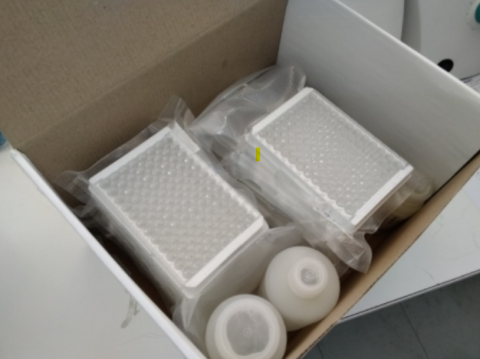
The kits supplied by AU-PANVAC can therefore support both serological surveillance and the assessment of vaccination activities. Their value extends beyond the testing process: the evidence generated can help national veterinary services refine surveillance priorities and inform subsequent interventions.
Achieving this requires close collaboration between laboratory personnel, field teams and national PPR coordinators. Sample collection, testing, interpretation and reporting must form a connected process so that findings reach the authorities responsible for planning and implementing disease-control measures.
AU-PANVAC has also prepared HPPR-bELISA kits for dispatch to Cameroon, the Central African Republic, Gabon, Guinea and Côte d’Ivoire. These planned deliveries will extend support to additional laboratories across West and Central Africa, reinforcing national access to materials for PPR serological surveillance.
Together, the completed supplies and planned dispatches demonstrate how continental technical support can address operational needs within national PPR programmes. Strengthening laboratory testing capacity contributes to the wider effort to generate the evidence needed to guide and monitor progress towards eradication.
The next priority is to translate the availability of kits into documented testing and actionable findings. Follow-up should capture the number of samples tested, the timeliness and quality of reporting, and how results inform surveillance and vaccination decisions. Sharing relevant findings through established reporting mechanisms can also improve understanding of PPR risks and immunity across countries.
Through this support, AU-PANVAC is helping strengthen an essential foundation for PPR eradication: the capacity of national laboratories to generate reliable evidence. The lasting contribution of these supplies will depend on how effectively that evidence informs action to protect sheep, goats and the livelihoods of the communities that depend on them.