

The economic case for Africa's pastoral livestock
Addis Ababa, Ethiopia,
The 1st African Pastoral Markets Forum, convened by the African Union Inter-African Bureau for Animal Resources (AU-IBAR) through the African Pastoral Markets Development (APMD) Platform and partners, sought to reposition pastoral livestock from being viewed as a social sector to being recognized as a strategic driver of trade, investment and economic transformation. The Forum demonstrated that Africa's challenge is not a lack of livestock resources, but the limited visibility of their economic value and the market systems needed to unlock that value.
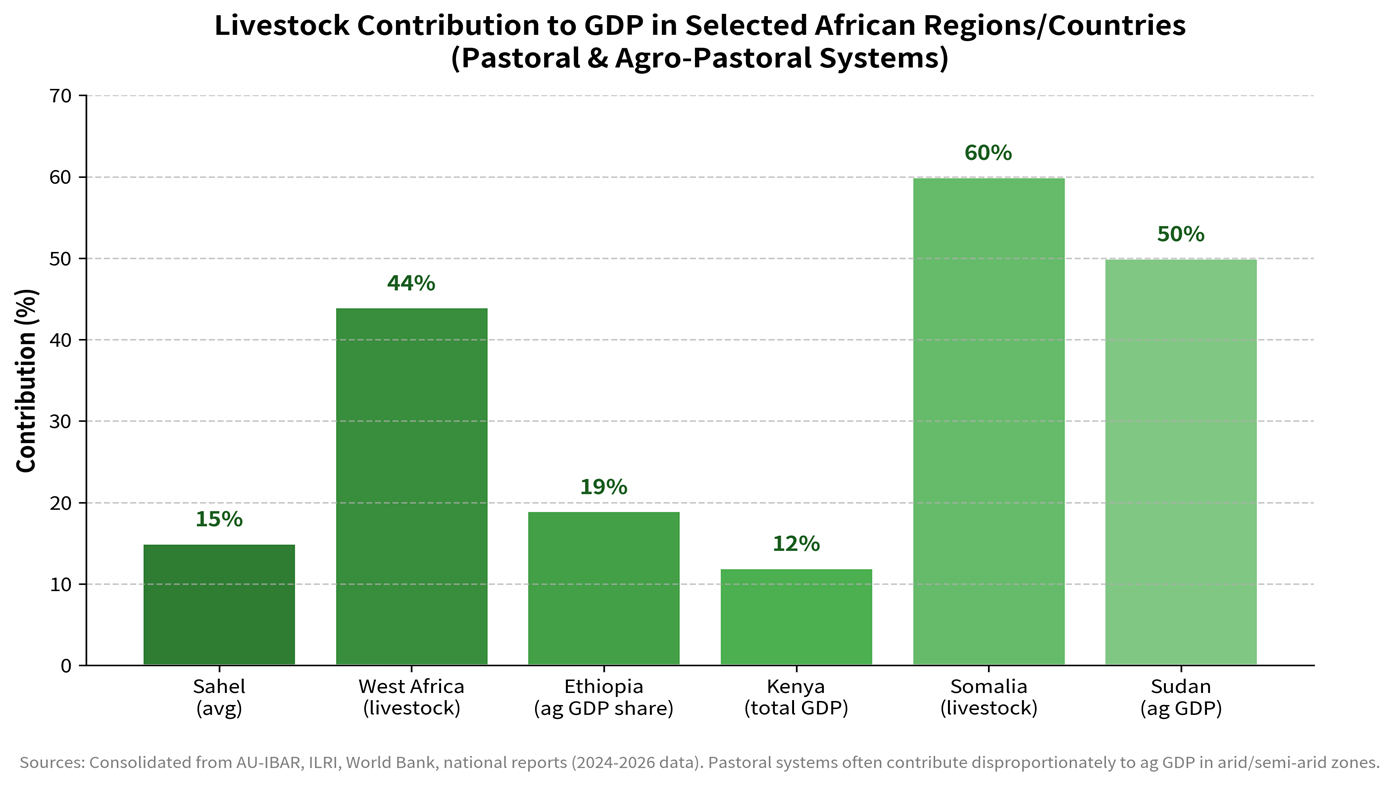 Africa's pastoral and agro-pastoral systems support approximately 268 million people, with livestock contributing to around 25 percent of the agricultural GDP in sub-Sahara, and nearly 65 percent of the continent's population deriving livelihood from livestock value chains. Africa possesses the world's largest natural grazing resources, one of the largest livestock populations globally and access to an integrated market of more than 1.4 billion consumers through the African Continental Free Trade Area (AfCFTA). These represent the foundations of a continental economic sector capable of driving employment, industrialization, food security and regional trade.
Despite this enormous resource base, Africa continues to underperform in livestock trade and value addition. Much of the continent's livestock wealth remains locked within fragmented production systems that are weakly connected to markets. Animals often move through informal trade channels, productivity remains below potential, and insufficient investment in aggregation, logistics, cold-chain infrastructure, processing, standards and traceability limits access to higher-value regional and international markets. Consequently, Africa exports relatively little of its livestock potential while continuing to import significant volumes of livestock products that could increasingly be sourced from within the continent.
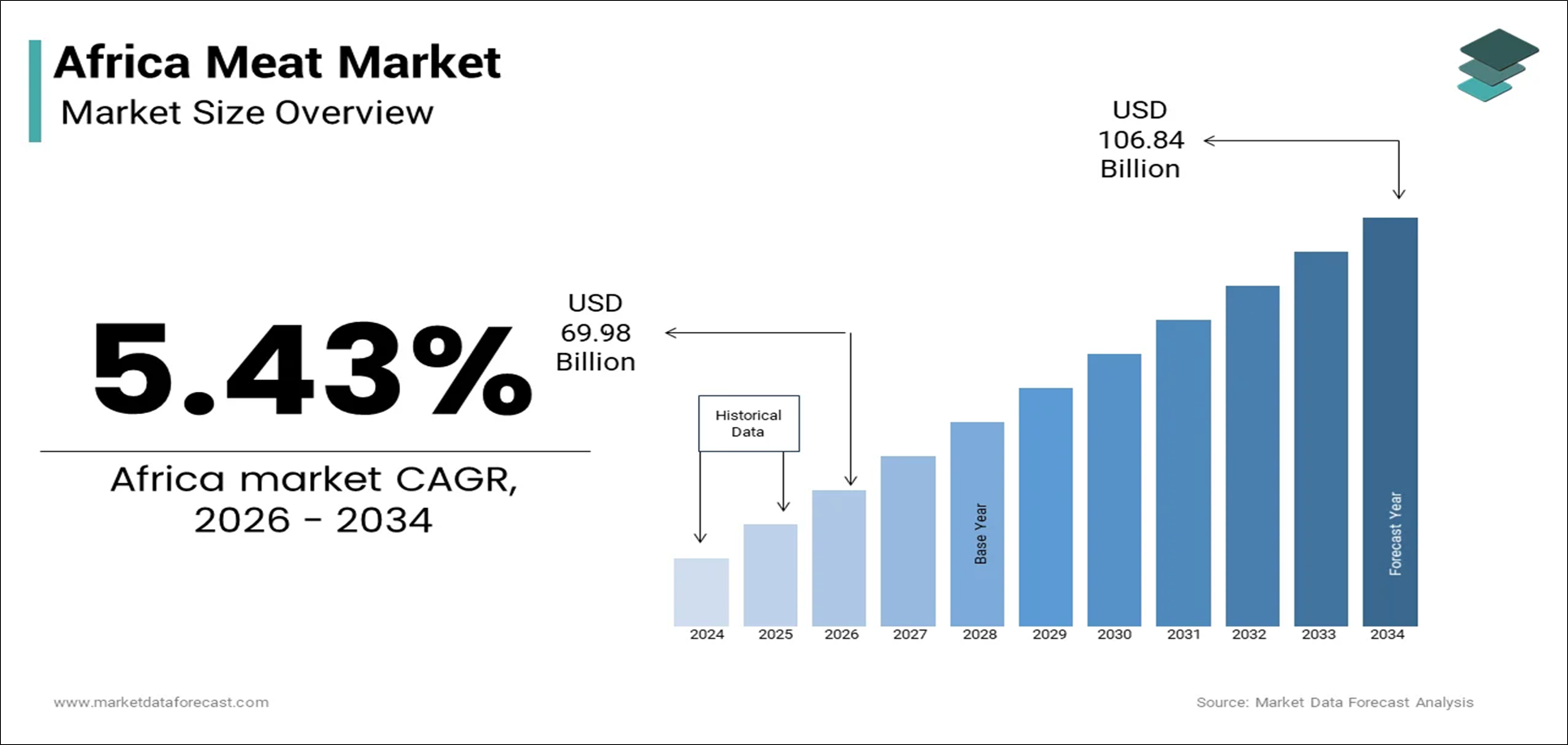
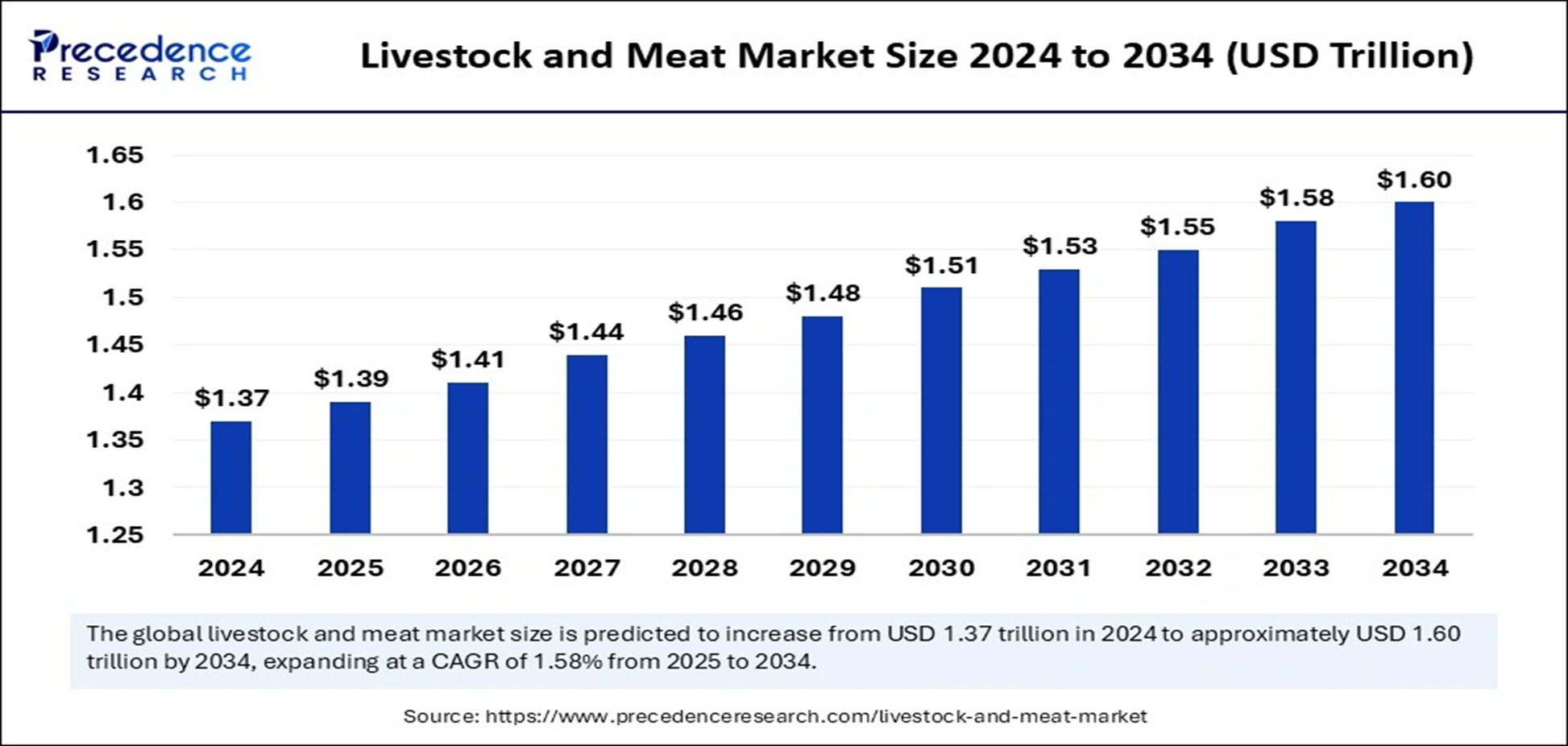 Globally, the livestock and meat market is projected to grow from approximately US$1.37 trillion in 2024 to US$1.60 trillion by 2034, reflecting sustained demand for meat and livestock products across international markets. At the same time, Africa's own meat market is expected to expand even faster, growing at an average annual rate of 5.43 percent between 2026 and 2034. The value of Africa's meat market is projected to increase from approximately US$70 billion in 2026 to more than US$106 billion by 2034, driven by rapid population growth, urbanization, rising incomes and changing consumer preferences.
  While demand for African livestock products continues to rise, the continent remains a net importer of many meat products. Analysis presented during the Forum showed that replacing just 10 percent of livestock products currently imported from outside Africa with products sourced within the continent would generate approximately US$1 billion in additional trade for African producers.
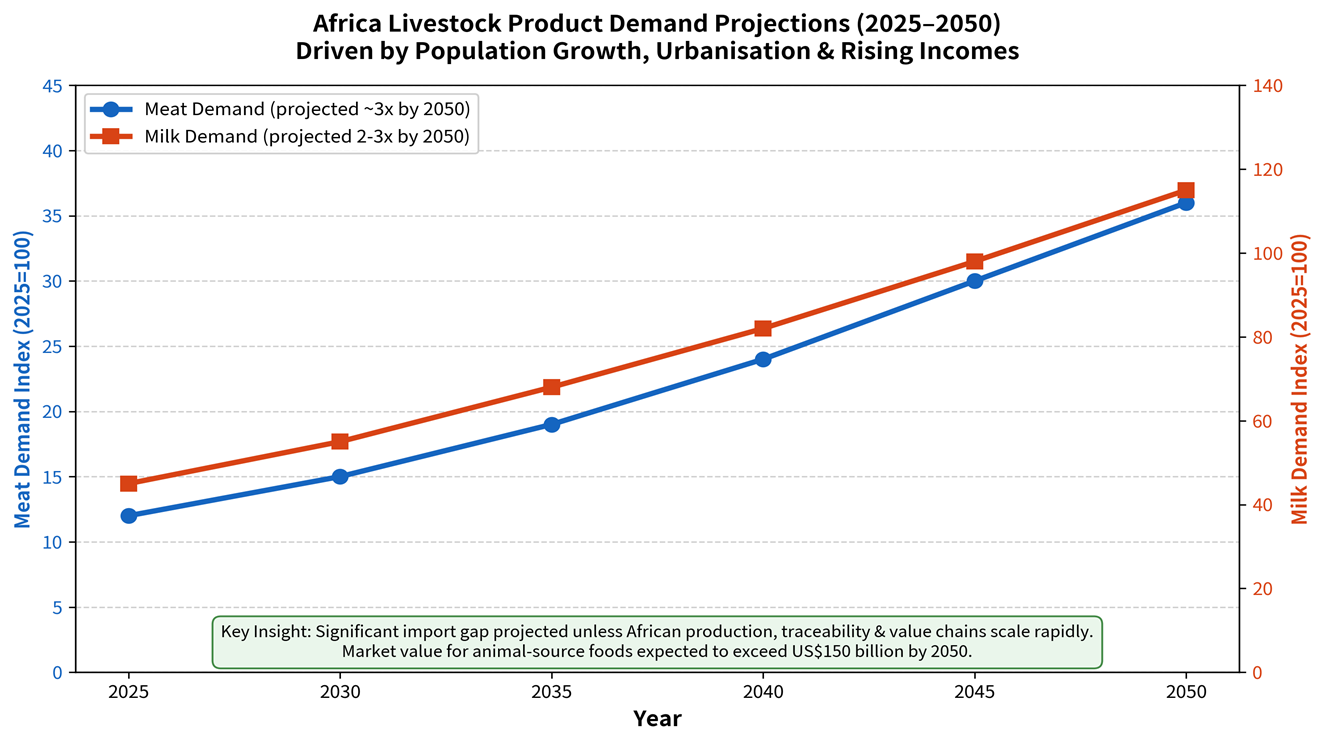
Forecasts presented in the Forum indicated sustained growth in both global and African livestock markets over the coming decade, reinforcing the urgency of preparing Africa's pastoral economies to respond to these demands. This evidence-based approach underpinned the Forum's investment discussions and reinforced the need to establish pastoral livestock as a bankable economic sector.
Looking ahead, the outlook was more compelling in that the demand for meat in Africa is projected to almost triple by 2050, while demand for milk is expected to more than double. By then, the market for animal-source foods is expected to exceed US$150 billion. Therefore, closing the gap between current production and future demand will require investments in animal health, traceability, cold-chain infrastructure, processing, market information systems and regional trade corridors that enable pastoral livestock to reach higher-value domestic, regional and international markets.
Proven pastoral development models presented during the Forum, demonstrated the practicability of these transformations. The Kenya Markets Development project illustrated how integrating pastoralists into structured market systems through commercial offtake agreements, aggregation centers, improved animal health services, climate-resilient feed production, digital tools and targeted support for women can significantly increase household incomes while strengthening the competitiveness of the livestock enterprises. Rather than treating pastoralism as a subsistence activity, the project positioned pastoral households as commercial actors participating in organized value chains. The result is a model that simultaneously improves livelihoods, attract investment and strengthen regional and international trade opportunities.