

A vaccination record that protects more than just an animal
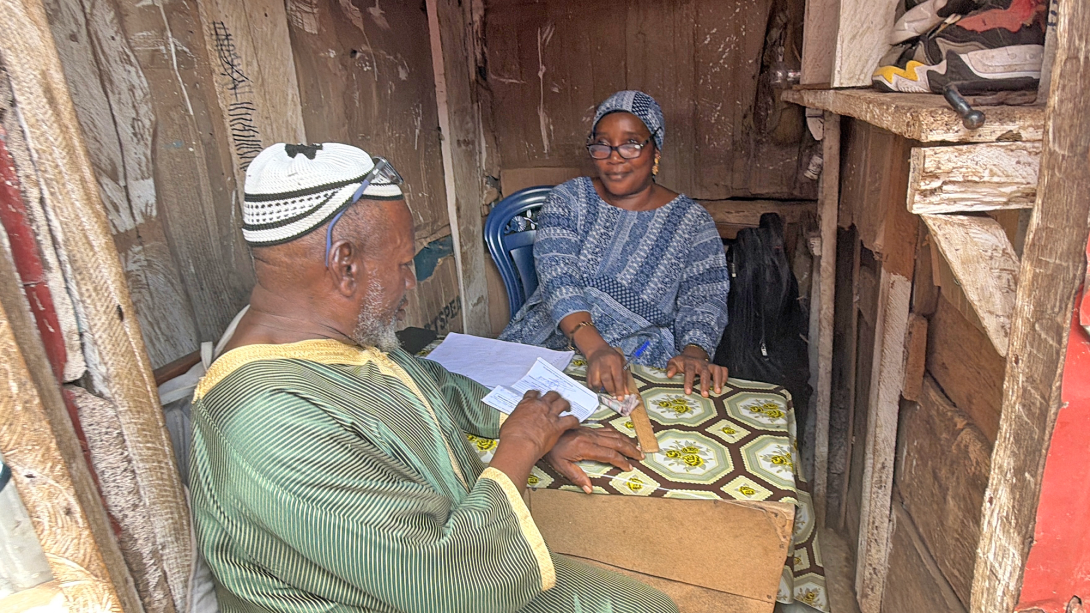
At the livestock market of Kindia, located about 135 km from Conakry, the scene appears ordinary. Livestock keepers arrive with their sheep and goats, buyers discuss prices, while the animals fill the market with their bleats.
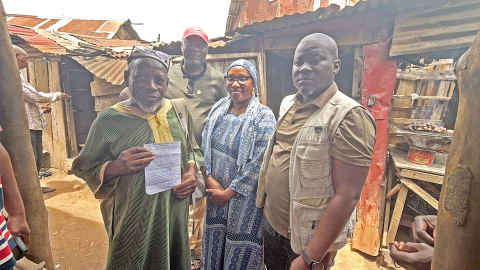
Yet, before negotiating the sale of his sheep, Mr. Camara (not his real name) makes a stop at the Veterinary Services. In his hand, he holds a small vaccination record. For a casual observer, this document seems like an ordinary booklet. But for him, it has as much value as the animal he is about to sell. Without this booklet, his sheep cannot obtain the official health certificate attesting that he is healthy and authorized to be marketed.
« Before, we didn’t always understand why we needed to properly vaccinate our animals. Today, we know that this book protects our herd, our business and our families, » he says.
This change in mindset is the result of continuous awareness campaigns conducted by the Veterinary Services, which accompany farmers to prevent diseases, strengthen good health practices and promote vaccination.
Thanks to these efforts, farmers now know that vaccinating their animals does not only prevent losses related to the disease. It also means preserving their income, gaining access to markets while ensuring compliance with animal health regulations to gain buyers' confidence.
This approach is particularly important in the fight against the Peste des Petits Ruminants (PPR), one of the most devastating animal diseases for sheep and goats in Africa. Highly contagious, PPR can kill up to 90% of an unprotected herd, compromising the livelihoods of millions of families, food security and cattle trade.
In the face of this threat, vaccination remains the most effective way to protect herds. However, effective disease prevention extends beyond administering a vaccine.
It is also based on a comprehensive health surveillance system, animal certification and the daily commitment of the Veterinary Services, which monitor the health of herds, check the health status of animals before they are marketed and issue official health certificates.
In Guinea, this approach has gradually become an essential practice. Vaccination and health certification are no longer seen as mere administrative formalities, but as a guarantee of quality and safety for farmers, traders and consumers.
Mr. Camara's story tells us that a vaccination record protects more than just an animal.
It protects a family's income. It guarantees safer trade. It builds trust between sellers and buyers. It helps to preserve the food security of communities. And above all, it represents an essential step towards a more ambitious goal: to eradicate the Peste des Petits Ruminants in Africa
Above all, such as vaccinating a sheep or presenting his vaccination record before a sale, each breeder becomes an actor of this continental ambition.
This testimony was collected during a Monitoring and Evaluation Mission conducted by the Pan-African Programme for the Eradication of Peste des Petits Ruminants (PPR), coordinated by the Pan-African Secretariat (PAPS), hosted by AU-IBAR, in collaboration with the Veterinary Services of Guinea and with financial support from the European Union.