

Tanzania’s Living Shield: How Everyday Heroes(Communities, Youth, and Veterinarians) Are Protecting a Region from PPR
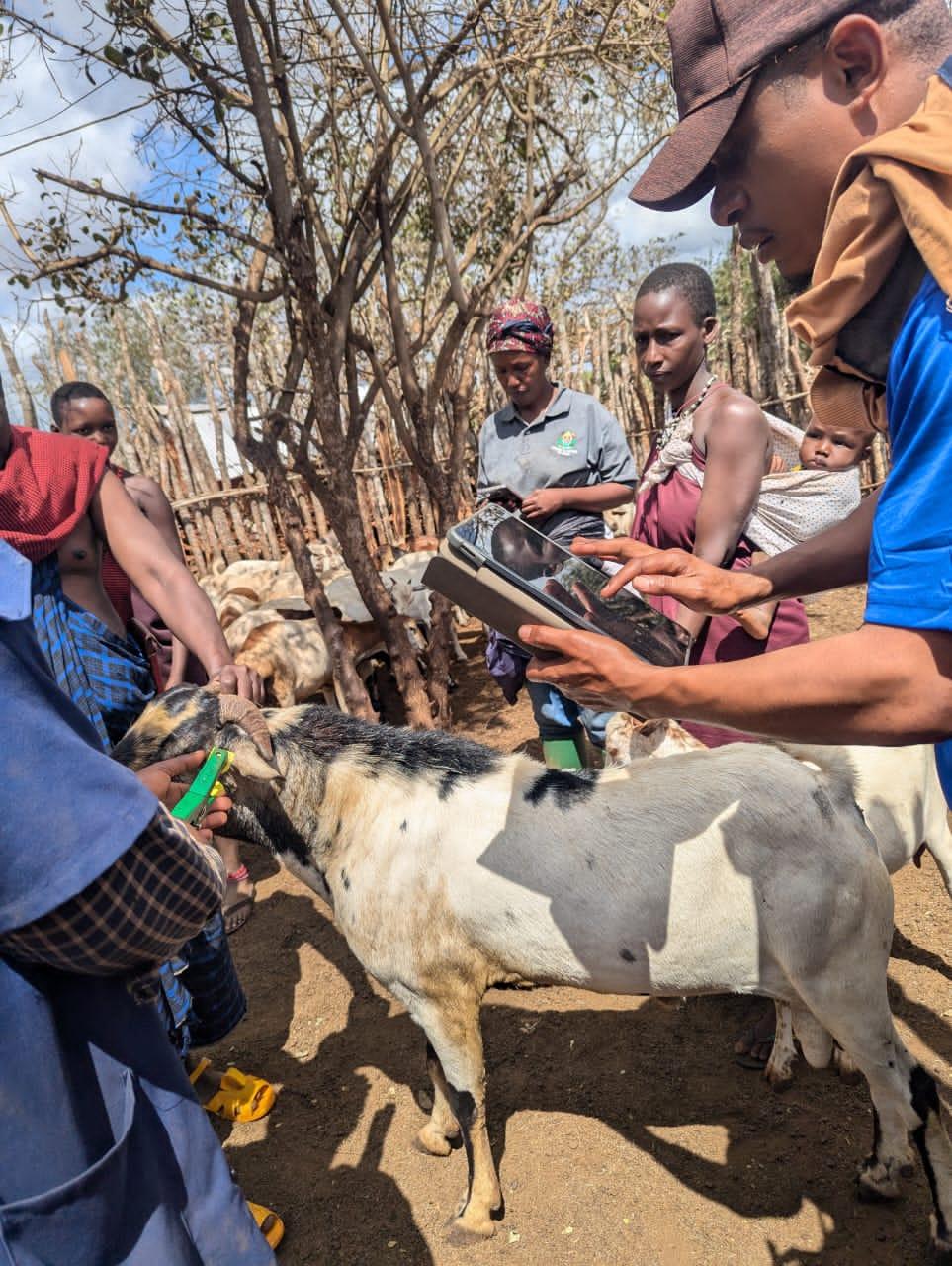
In the vast southern and western landscapes of Tanzania across Ruvuma, Njombe, Katavi, Rukwa and Kigoma a quiet but remarkable transformation is underway. In the gentle hills of Ruvuma, beneath the dense forests of Kigoma, and across the wide golden plains of Katavi and Rukwa, an extraordinary story is taking shape one that is quietly but profoundly reshaping the region’s fight against Peste des Petits Ruminants (PPR). For years, these regions have remained untouched by the disease. But their significance reaches far beyond their borders.
These zones have become one of East and Southern Africa’s strongest regional firewalls: a living cordon sanitaire where communities, surveillance teams, and veterinary services collectively form a protective shield that guards millions of animals and stabilizes the livelihoods of families across the SADC region. Their disease-free status is not just a technical achievement it is a testament to discipline, partnership, and resilience.
What makes this transformation exceptional is not simply the absence of PPR—it is the people behind that success. It is the young vaccinators who walk long distances with coolboxes strapped to their backs; the women leaders who gather neighbours under mango trees to dispel rumours and encourage vaccination; the veterinarians who trace livestock movement along dusty border paths; and the village elders who lend their voices to fight misinformation with wisdom and authority.
This PPR-free belt plays a critical regional role by limiting the southward transmission of the virus into neighbouring Southern African Development Community (SADC) countries. Many SADC nations remain free from PPR, and maintaining this status is vital for regional livestock trade, food security, and disease-eradication efforts. Tanzania’s maintenance of a cordon sanitaire, enhanced border surveillance, and targeted vaccination campaigns in high-risk zones collectively help safeguard this buffer. As a result, the southern and western regions function not only as nationally protected zones but also as a frontline defence supporting the broader SADC strategy for PPR prevention and eventual eradication.
Vaccination campaigns help reduce the risk of cross-border spread of PPR by creating herd immunity in high-risk and border regions, thereby blocking virus transmission among susceptible small ruminants. When a sufficient proportion of goats and sheep are vaccinated, the PPR virus cannot circulate effectively, reducing the likelihood of infected animals moving across borders. Vaccination also protects animals in trade corridors and pastoral routes where transboundary movement is common. Combined with surveillance and movement control, these campaigns form a protective buffer zone that prevents outbreaks in one country from spreading to neighbouring states, supporting regional PPR prevention and eradication efforts.
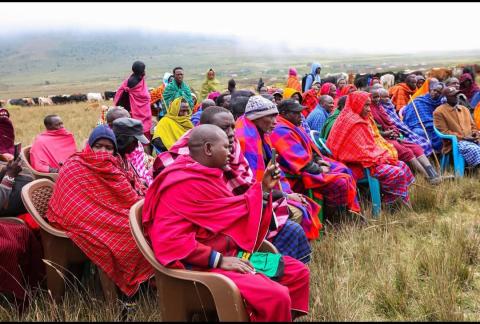
Youth from the informal sector trained in animal health have played a critical role in Tanzania’s PPR vaccination campaigns, providing hands-on support in administering vaccines and mobilizing communities. Similarly, livestock keepers’ associations leaders and small ruminant farmers most of whom are women and youth actively participate in awareness creation forums at village, ward, district, regional, and national levels. These platforms facilitate knowledge sharing particularly on best husbandry practices, enhancing community engagement and compliance with vaccination schedules. Their involvement has strengthened local veterinary service delivery, improved reporting of suspected cases, and promoted sustainable livestock management and management of mis information about vaccination and identification.
Across Tanzania, livestock keepers, district veterinary officers, and women’s livestock associations leaders have expressed deep gratitude often in Kiswahili media for the government’s subsidized vaccination and free identification services. In Ruangwa District, the acting District Director, George Mbesigwe, publicly thanked the government for supplying free doses of vaccines to control PPR and CBPP, and for distributing identification ear-tags at no cost.
Pastoralists under the Tanzania Pastoralists Association (CCWT) praised for slashing vaccine prices from TSh 1,000 per cattle dose to just TSh 500, and offering goat/sheep vaccines at TSh 300, while chickens receive vaccination free of charge.
These testimonials broadcast in regional forums and local news outlets highlight how the campaign is helping herders reduce disease losses, increase productivity, and improve livelihoods. Women livestock keepers, especially chicken farmers, have also welcomed the free vaccination, noting it supports their economic empowerment. Meanwhile, veterinary officers applaud the program’s use of electronic ear-tags to improve livestock traceability and boost market access.
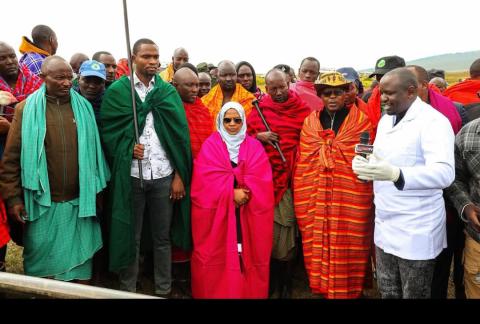
Several meetings have been conducted, including two national awareness meetings, which were subsequently followed by regional, district, ward, and village-level awareness sessions. In addition, the Directorate of Veterinary Services, together with Zonal Veterinary Services, participated in a media tour coordinated by the Government Communication Unit (GCU), visiting all major media houses across the country. The GCU also shared recordings of these engagements on various social media platforms to reach a wider audience. At the local level, banners and posters have been displayed at vaccination points in every village to inform and guide livestock keepers, ensuring broad community awareness and participation in the vaccination and identification campaigns.
The major challenges faced included a limited budget caused by miscalculations in costing various activities, as well as difficulties in managing misinformation related to the vaccination campaign.
To address these issues, management requested a supplementary budget to cover unexpected expenses and ensure all planned activities could proceed without interruption. In parallel, the Directorate of Veterinary Services and Zonal Veterinary Services actively used media channels including radio, television, and social media through the Government Communication Unit to counter misinformation, clarify vaccination schedules, and provide accurate guidance to livestock keepers. These combined efforts helped maintain community trust, improve participation, and ensure the campaign’s successful implementation across all regions.
Several lessons can be drawn to improve future vaccination and livestock identification campaigns. First, accurate budgeting and detailed cost projections are essential to prevent funding shortfalls and ensure timely procurement of vaccines and supplies. Second, proactive community engagement including regular awareness meetings, use of local leaders, and targeted media campaigns helps build trust, reduce misinformation, and increase participation. Third, training and involving youth, women, and informal-sector animal health workers strengthens local capacity and ensures efficient service delivery. Fourth, continuous monitoring and evaluation during the campaign allow for rapid identification of challenges and corrective actions. Finally, integrating modern communication tools, clear record-keeping, and collaboration with regional and district authorities can enhance coordination, coverage, and overall effectiveness of future campaigns.
These lessons not only strengthen Tanzania’s national strategy but also offer a model for other countries strengthening their PPR control systems.
Tanzania’s experience shows that PPR eradication is not just a veterinary exercise it is a community movement.
From youth vaccinating goats in remote villages to women advocating for better herd management, and from national media tours to border surveillance, every layer of society is contributing to a stronger regional shield against PPR.
It is protection of livelihoods, enhancement of regional food security, and a vital step toward achieving Africa’s vision of zero PPR by 2030.