

Egypt Aligns Fisheries and Aquaculture with Africa’s Continental Blue Economy & Climate Adaptation Priorities
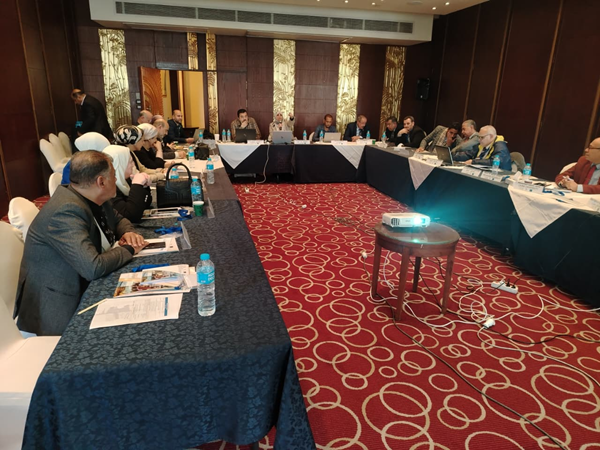
Egypt’s growing role in shaping Africa’s sustainable fisheries and aquaculture future was heightened over four days, as policymakers, scientists, private-sector actors, and regional experts gathered to do more than review policies. They came together to redefine how Egypt’s fisheries sector aligns with Africa’s broader ambitions for economic transformation, climate resilience, and food security.
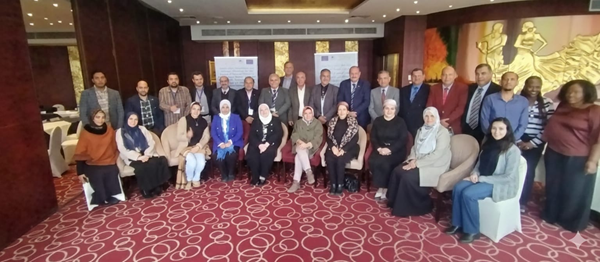
Hosted from 2–5 February 2026, the Stakeholder Consultation and Validation Workshop, led by the AU-IBAR and Egypt’s Lakes and Fish Resources Protection Development Agency, focused on aligning Egypt’s national fisheries strategies and agricultural investment plans with continental frameworks, particularly the Policy Framework and Reform Strategy for Fisheries and Aquaculture in Africa (PFRS) and global climate adaptation priorities. The meeting was a strategic journey toward integrating Egypt’s aquatic resource governance into Africa’s wider development trajectory.
Moving Beyond Alignment to Fisheries as a Driver of Economic Transformation
At the heart of the discussions was a recognition that fisheries and aquaculture are no longer peripheral sectors. They are emerging as engines of economic transformation, capable of delivering food security, jobs, and climate resilience.
In her closing remarks, AU-IBAR Director Dr Huyam Salih emphasised that fisheries and aquaculture can serve as “powerful drivers of sustainable economic transformation, food and nutrition security, and climate resilience.”
This perspective reflects a broader shift across Africa, from managing fisheries primarily as natural resources to positioning them as strategic economic sectors. Egypt’s engagement in this alignment process demonstrates its recognition of the sector’s potential to contribute to national growth while supporting continental integration.
A Strategic Role for Egypt in Africa’s Blue Economy
Egypt’s fisheries sector holds significant regional importance, given its geographic position, production capacity, and role in regional trade. The workshop provided an opportunity to harmonise national policies with AU frameworks, such as the African Blue Economy Strategy and the PFRS, which are designed to strengthen food systems, improve livelihoods, and create jobs through sustainable management of aquatic resources.
Participants assessed Egypt’s existing fisheries strategies and agricultural investment plans, identifying opportunities to strengthen policy coherence, institutional coordination, and climate adaptation.
The process also examined how global instruments, such as responsible fisheries standards and climate governance mechanisms, can be effectively domesticated within national policy frameworks.
Climate Resilience and Governance at the Centre
Climate change emerged as a central theme. Fisheries systems across Africa face increasing pressures from rising temperatures, ecosystem degradation, and changing water conditions. Egypt’s policy alignment process placed particular emphasis on embedding climate adaptation into sector planning and ensuring sustainable management of aquatic ecosystems.
Workshop participants stressed the importance of strengthening governance systems, enhancing institutional coordination, and prioritising investment strategies that promote sustainable resource use and long-term food security.
These priorities reflect the growing recognition that climate resilience must be built into the foundations of fisheries development, not added as an afterthought.
The FishGov2 Project Supporting Continental Reform
The workshop was implemented within the EU-funded FishGov2 Project, which supports African Union Member States in strengthening fisheries governance and aligning national strategies with continental commitments. Through FishGov2, AU-IBAR works with governments, regional organisations, and technical partners to translate high-level policy frameworks into practical, implementable reforms that strengthen food systems and economic resilience.
Egypt’s engagement in this process demonstrates how continental programmes can catalyse national reform while reinforcing regional cooperation.
From Recommendations to Implementation
The workshop concluded with a clear message: alignment is only the beginning. The responsibility now lies in implementation.
Dr Salih underscored the importance of translating recommendations into concrete action, highlighting that sustained commitment and coordination will be essential to achieving meaningful reform.
The event also reinforced the importance of collaboration among governments, technical experts, development partners, and private sector actors, recognising that sustainable fisheries governance requires coordinated action across multiple levels.
A Strategic Step Toward Africa’s Sustainable Blue Economy
Egypt’s policy alignment process reflects a broader continental transition, from fragmented, nationally focused fisheries governance toward integrated, climate-resilient, and economically driven systems.
By aligning national strategies with continental frameworks, strengthening institutional coordination, and prioritising sustainable investment, Egypt is positioning itself as a key contributor to Africa’s Blue Economy vision.
This workshop contributes towards building a fisheries sector that supports economic growth, strengthens food systems, protects ecosystems, and advances Africa’s collective development agenda.