
Equipping African scientists with genomic expertise to drive livestock transformation through CTLGH training in Nairobi
In Nairobi Kenya, at the International Livestock Research Institute (ILRI), a new generation of African scientists strengthened its technical expertise to advance and modernize livestock genetic improvement on the continent.
Organized by the Center for Tropical Livestock Genetics and Health (CTLGH), with strategic collaborative support from AU-IBAR leveraging on their convening power and national and regional networks, awareness creation and sensitization on the CTLGH training was increased.
The annual training course Genetic and Genomic Approaches for Livestock Improvement does more than just impart knowledge. It equips participants with the expertise and capacity to serve as agents of transformation change in livestock development. The CTLGH training drew researchers, livestock specialists, and emerging scientists from across the continent, and equipped them with skills built on genomic analysis, advanced statistical models, and modern genetic selection tools. Beyond strengthening technical competencies, the training has contributed to guiding a cadre of highly skilled professionals equipped to apply genomic approaches to improve livestock productivity, resilience, and sustainability across Africa.
The experiences and reflections of participants demonstrate how the programme is shaping professionals who are prepared to lead change and deliver tangible outcomes within their respective countries and institutions.
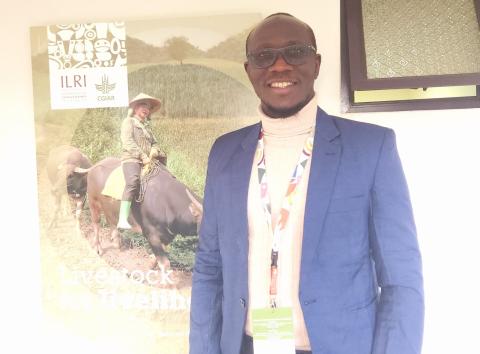
For Kebba Nyabally of the West Africa Livestock Innovation Center in The Gambia, selection into the program was never just about academic credentials. It was about purpose.
“My application was firmly grounded in an active national genetic improvement program,” he explains. “I was able to demonstrate direct institutional impact, not just academic interest.”
From the outset, he understood the philosophy behind the program. This was not a space for passive learning or theoretical engagement. It was designed for practitioners, people positioned to return home and implement change. “They were likely looking for impact multipliers, not passive participants,” he reflects.
That emphasis resonated deeply with him. It reflects the broader shift in capacity-building initiatives across Africa, away from training for training’s sake, and toward programs that demand immediate application, measurable outcomes, and tangible transformation within institutions and production systems.
In the training room, the profiles are diverse, but the level is consistent. Izzack Malan, Senior Agriculture Scientific Officer, Ministry of Agriculture, Fisheries, Water and Land Reform in Namibia, has no doubt about the intensity of the selection process. The entire African continent and even parts of Asia are competing for access to this training. His experience in “R” and his work on the genetic characterization of sheep strengthened his application. But for him, the key point lies elsewhere: “There is little point in building the capacity of people who are not in a position to make full use of these skills.” The message is clear: the training is aimed at having an impact in the field.
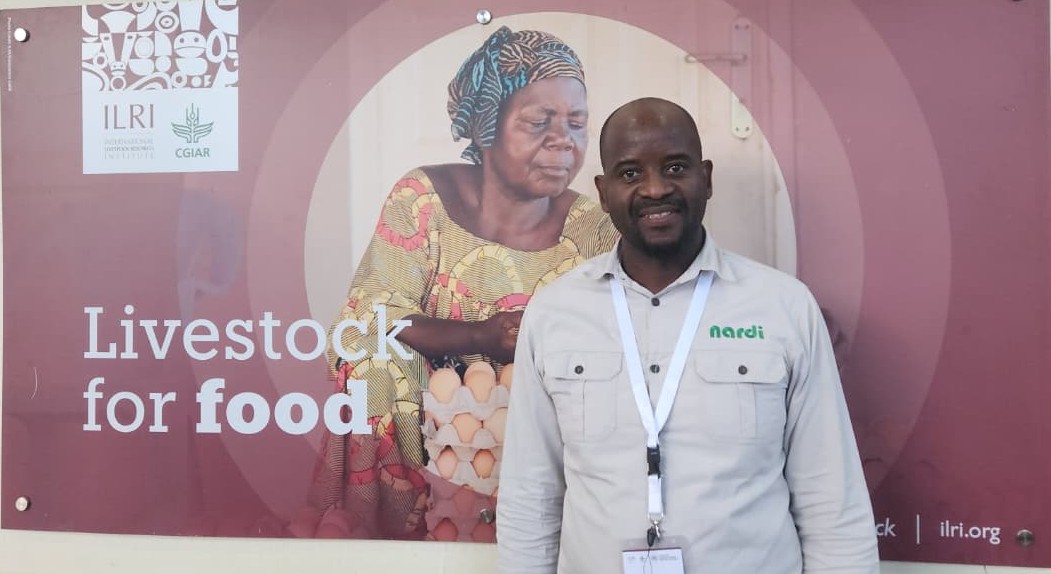
For Utlwanang Moreri , Senior Research Scientist -Animal Production and Health Botswana, the training comes at just the right time. In his country, livestock data exists but remains underutilized. “Our country has been collecting livestock performance data for years. This training has provided me with the tools I need to finally analyze it effectively.” His experience in regional genetic improvement projects tipped the scales during the selection process. Today, he already sees concrete applications.
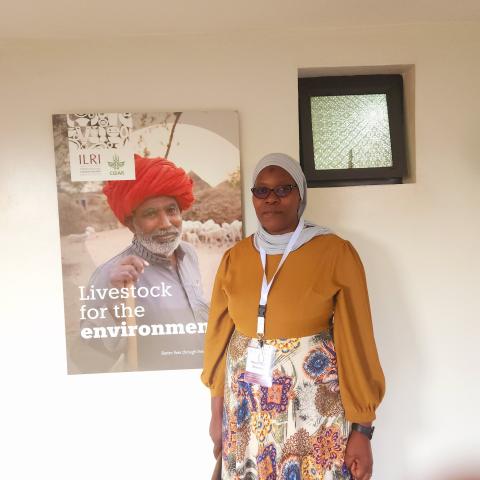
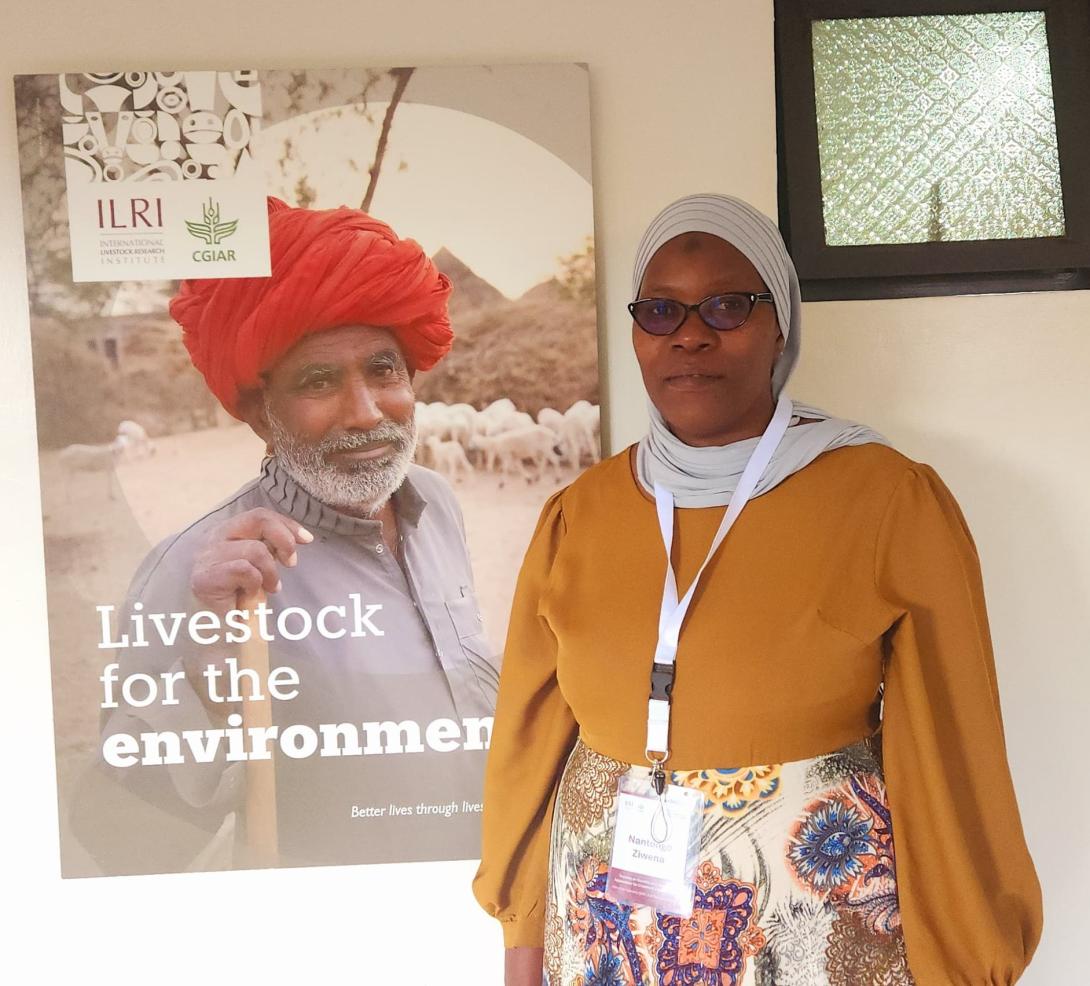
The same is true for Ziwena Nantongo, head of genetic improvement activities at the National Livestock Resources Research Institute in Uganda. “I have acquired the skills I need to bridge the gap between data collection and information synthesis to improve livestock performance.” For her, the programme’s strength lies in its practical focus: transforming data into livestock management decisions.
The participants are unanimous: the program is intensive. Mixed linear models, BLUP, R scripts the bar is set high.
Kebba Nyabally sums it up candidly: “It was computationally demanding, but in a good way.” Some also mention technical challenges related to computing power or learning to code. But far from discouraging, these difficulties reinforce the perceived value of the training. Beyond technical skills, another benefit emerges in the corridors and coffee breaks: “the network.”
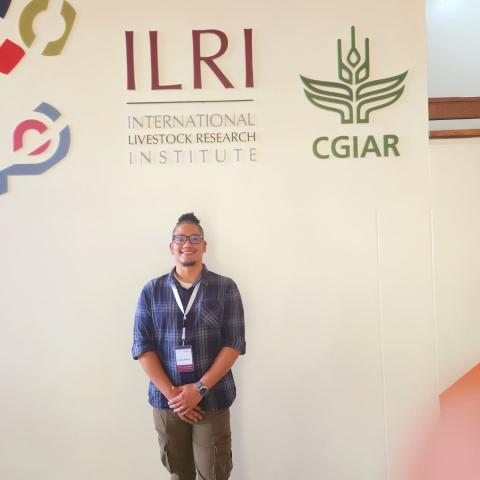
Discussions with scientists from the International Livestock Research Institute are already opening up new perspectives. “It opens up opportunities for collaboration,” says Izzack Malan.
Several participants are considering joint data analysis and future regional projects, proving that the training also acts as a catalyst for African scientific cooperation.
These outcomes are being achieved through the collective efforts of a strong ecosystem of committed partners. The support of AU-IBAR plays a key role in sustainably strengthening African scientific capacities in animal genetic resources.
In a context where livestock productivity remains central to food security, economic development, and rural resilience, such investments in human capacity are of strategic importance. At the end of the training, a clear conviction had emerged among participants: the tools and the skills are there, now it is time to scale up. Beyond equations and matrices, the programme is contributing to shaping the future of African livestock systems.
Equipped with advanced competencies and a strong sense of purpose, this new generation of professionals is well positioned to lead transformative change in livestock genetic improvement and sustainable production. Through its continental mandate, strategic partnerships, and sustained capacity development efforts, AU-IBAR is positioning genomic approaches as a central pillar of livestock transformation in Africa.
By strengthening scientific expertise, supporting Member States in integrating genomics into national breeding programmes, and promoting the conservation and sustainable use of animal genetic resources, AU-IBAR is helping to build resilient, productive, and climate-adaptive livestock systems. In doing so, AU-IBAR is ensuring that Africa’s rich genetic diversity becomes a strategic asset for food security, economic growth, and sustainable development under Agenda 2063.