

Advancing Policy Alignment and Sustainable Fisheries Governance in Africa: Insights from the Kampala Consultative Workshop
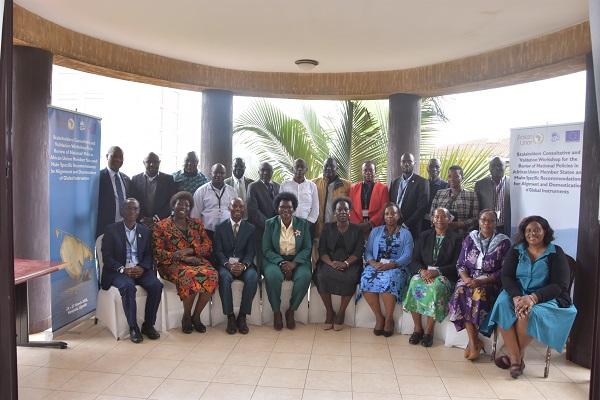
AU-IBAR, under the FishGov2 Project, is convening a high-level Stakeholders Consultative and Validation Workshop in Kampala, Uganda, from 24–27 March 2026. This engagement brings together experts, policymakers, Regional Economic Communities, and technical partners to strengthen the alignment of national fisheries and aquaculture policies with continental frameworks and global instruments.
At the core of the workshop is the need to accelerate the domestication of the Policy Framework and Reform Strategy for Fisheries and Aquaculture in Africa (PFRS) and ensure coherence between national policies, regional priorities, and international commitments. Through structured technical sessions, participants have reviewed country-level policy alignment, shared case studies, including insights from South Sudan and validated consultancy findings aimed at improving governance systems across Member States.
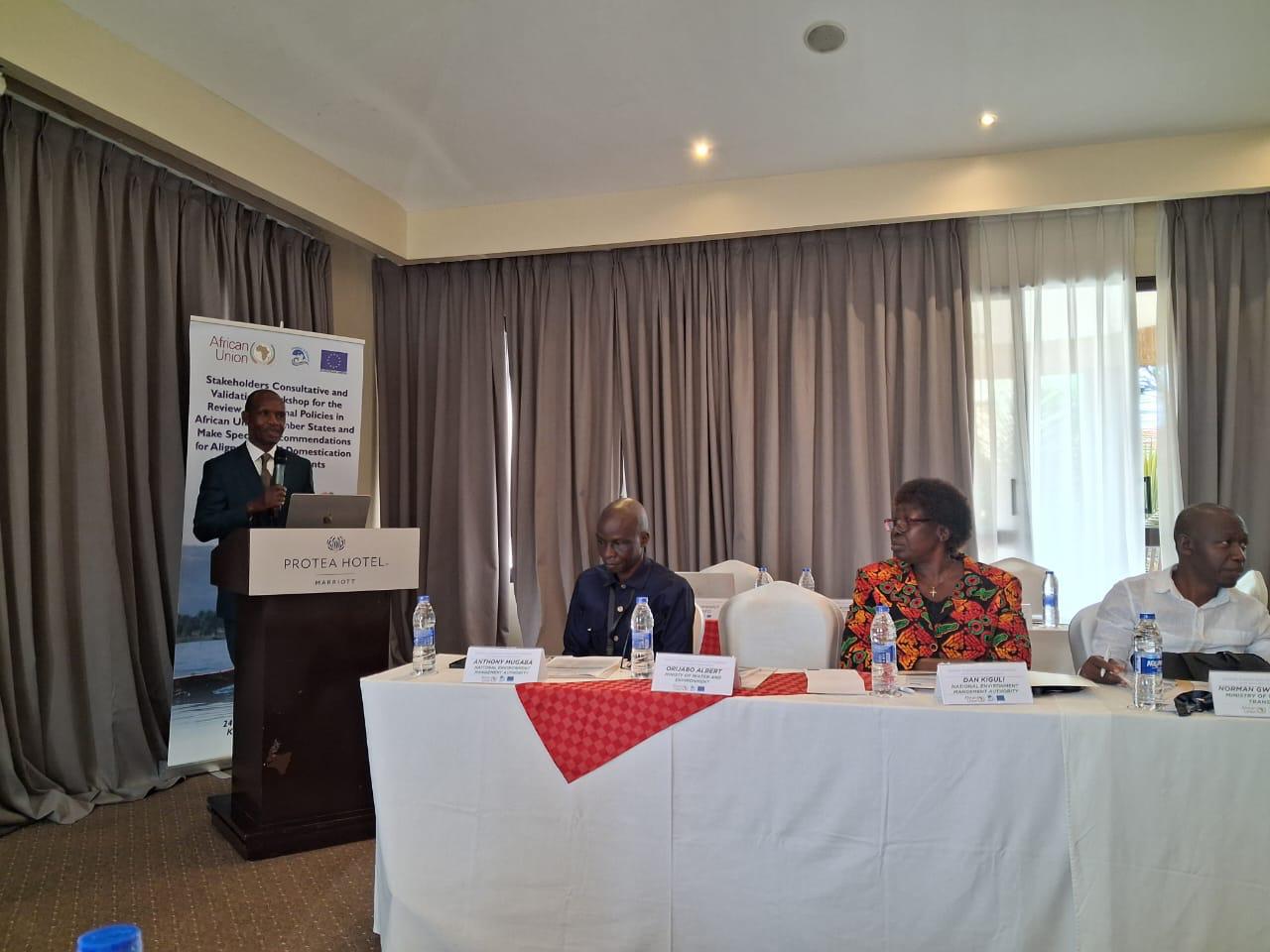
In the opening remarks, delivered on behalf of the AU-IBAR Director, the workshop was underscored as a critical milestone in advancing Africa’s Blue Economy and achieving the aspirations of Agenda 2063. The workshop has further reaffirmed AU-IBAR’s central role in supporting Member States to transform fisheries and aquaculture into engines of food security, economic growth, and environmental sustainability.
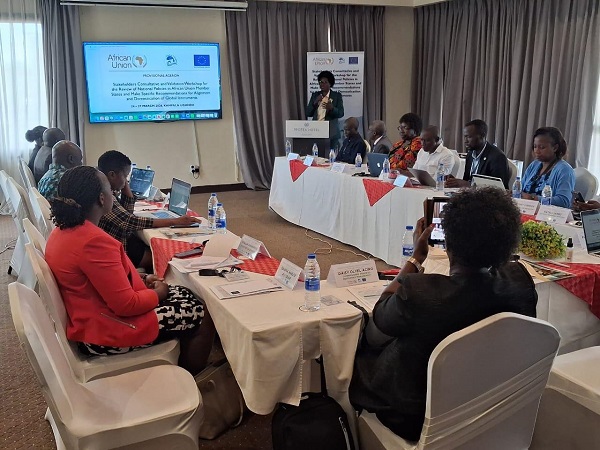
The multi-day programme is structured to promote participatory engagement and technical rigor. Day one focused on reviewing policy alignment with the PFRS, while subsequent sessions addressed the domestication of global instruments, including mechanisms for integrating international frameworks into national legislation. Breakout group discussions enabled participants to critically assess gaps, refine recommendations, and propose actionable solutions tailored to national and regional contexts.
 |
 |
A key highlight of the workshop is the emphasis on aligning National Agricultural Investment Plans (NAIPs) and regional investment strategies with fisheries and aquaculture priorities, particularly in the context of climate change adaptation. Discussions reinforced the importance of integrating environmental sustainability, climate resilience, and ecosystem-based approaches into fisheries governance systems.
The workshop is also providing a platform to strengthen collaboration among stakeholders, recognising that effective policy implementation requires coordinated action across governments, regional bodies, technical institutions, and development partners. The European Union’s continued support for the FishGov2 Project was acknowledged as instrumental in advancing governance reforms and capacity development across the continent.
By the conclusion of the workshop, it is hoped that participants will adopt key recommendations and a communiqué outlining priority actions for policy alignment, the domestication of global instruments, and the strengthening of institutional frameworks. These outcomes are expected to guide Member States in translating commitments into practical, country-level interventions that enhance fisheries productivity, safeguard aquatic ecosystems, and improve livelihoods.
Ultimately, the Kampala workshop reflects a shared continental commitment to building a resilient, inclusive, and sustainable fisheries and aquaculture sector. By aligning policies, strengthening governance, and fostering collaboration, Africa is positioning its aquatic resources as a cornerstone of economic transformation and food systems resilience for generations to come.