

Strengthening livestock market access through quality assurance and contracting models
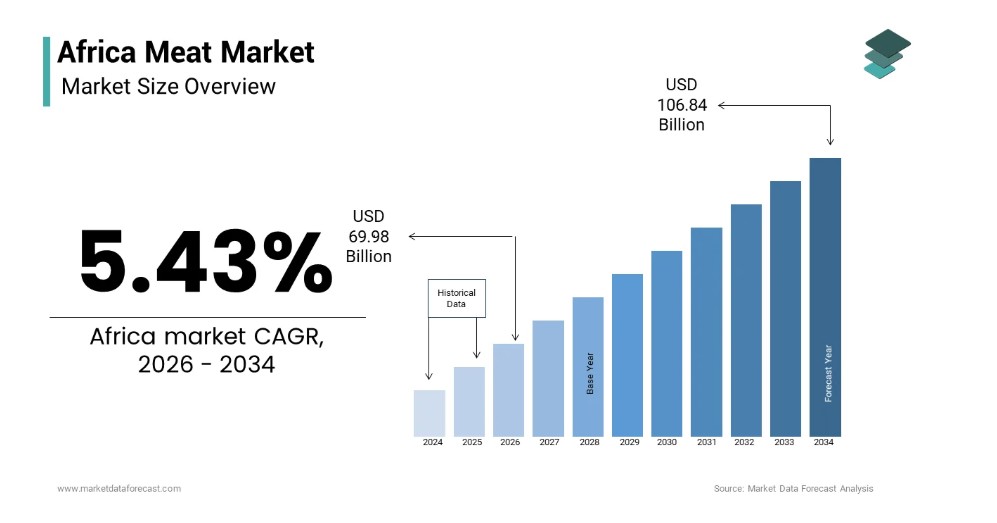 Africa’s livestock sector stands at a decisive inflection point, with the continent’s meat market already valued at over $66B and projected to exceed $100B by 2034, and the total demand expected to reach 34.8 million tonnes by 2050, yet supply systems are still struggling to keep pace. Demand is rising rapidly, with projections indicating it could triple by 2050, driven by urbanization and changing diets.
The African Pastoral Markets Development (APMD) platform continues to advance innovative pathways for unlocking livestock market potential across the continent. In a recent regional training workshop, APMD convened private sector actors and government representatives from Nigeria, Kenya, Uganda, Tanzania, Ethiopia and Botswana to deepen knowledge exchange on market access through quality assurance systems and contracting models.
The workshop provided a dynamic platform for stakeholders to share practical experiences on integrating producers into structured markets, with a strong emphasis on vertical integration of pastoral economies. Across countries, participants demonstrated how coordinated relationships between producers, processors and buyers are transforming traditionally fragmented livestock systems into more predictable, commercially viable value chains.
Quality assurance as a catalyst for trade facilitation
A central theme throughout the training was the significant role of quality assurance systems in enabling livestock and livestock product trade both domestically and internationally. Quality assurance underpins trust in livestock markets by ensuring the products meet defined standards related to animal health and disease control, traceability and origin verification, food safety and hygiene compliance, and, grading and standardization of products.
In increasingly competitive and regulated markets, quality assurance has become a prerequisite for accessing premium export markets. Effective systems reduce transaction risks, enhance price discovery and enable producers to attract higher and more stable returns.
Stakeholders emphasized that investment in traceability systems, certification processes and compliance infrastructure are essential for integrating pastoral producers into high-value supply chains. These systems also facilitate cross-border trade by aligning with regional and international sanitary and phytosanitary (SPS) requirements.
Lessons from Botswana
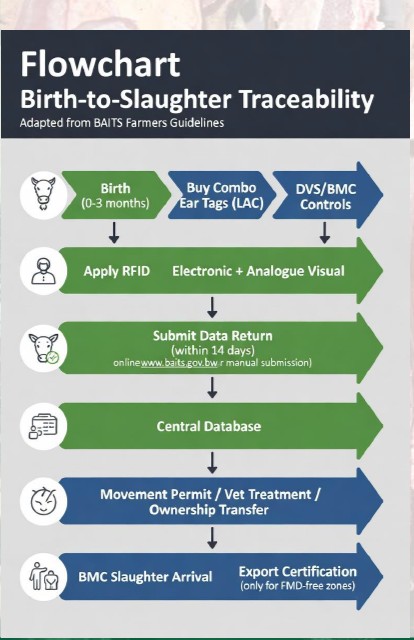 Botswana presented a compelling case of how robust quality assurance frameworks and structured marketing systems transformed their national livestock sector.
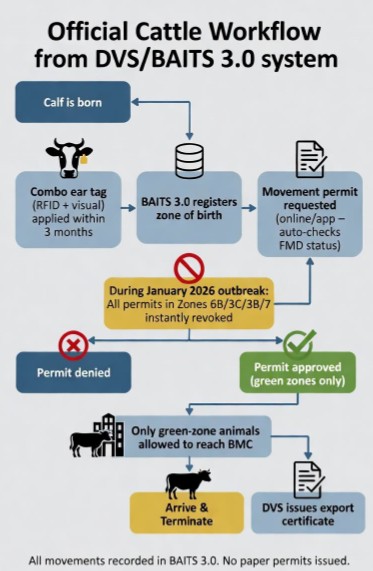
Key lessons from Botswana’s experience included:
Quota-based marketing systems that ensure controlled supply flows into markets, thus stabilizing prices and aligning production with demand.
Institutional coordination of the Botswana Meat Commission (BMC), in aggregating livestock, enforcing quality standards and accessing niche export markets.
Botswana’s end-to-end livestock identification and traceability system (BAITS) in meeting stringent international market requirements.
Niche and premium market positioning of the Botswana livestock and livestock products.
The Botswana model demonstrated that system-wide discipline in quality management and coordinated marketing structures significantly enhance competitiveness and resilience in the livestock trade.
Field Insights: Bridging Theory and Practice in Ethiopia
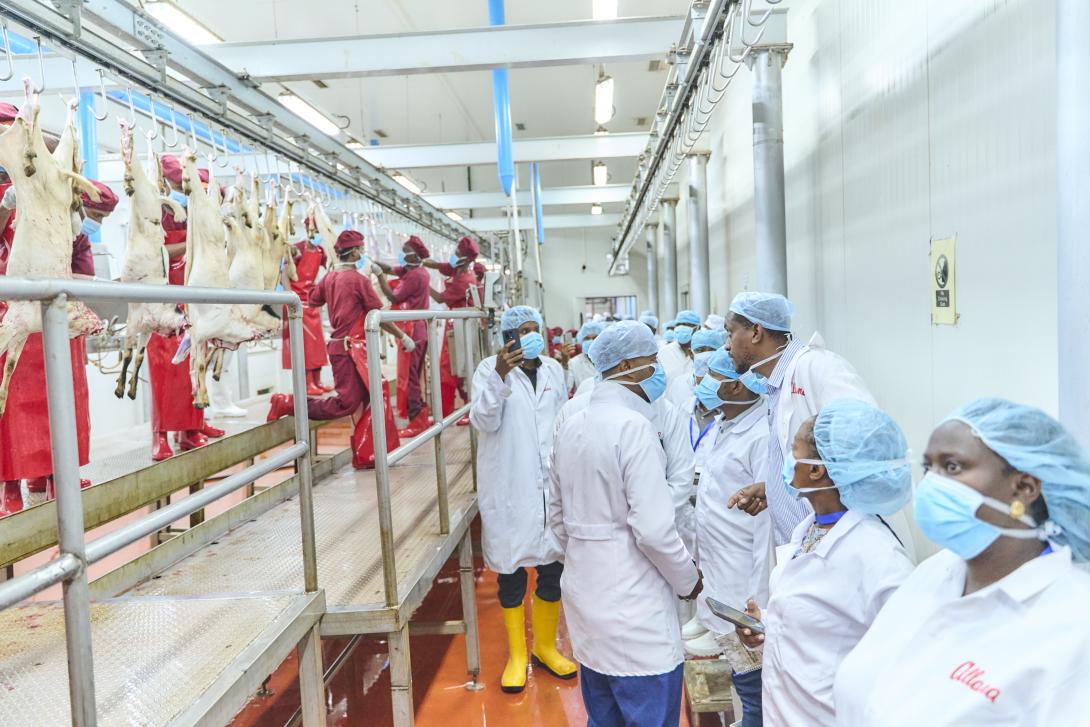
To complement the workshop discussions with practical exposure, stakeholders undertook a field visit to Frigorifico Boran Foods PLC, an abattoir under Allan Group Holding in Ethiopia. The visit offered firsthand insights into:
- Operationalization of quality assurance protocols within a modern processing facility.
- Hygiene and food safety standards are required for export-oriented meat production.
- Albeit at an early stage, integration of producers into formal supply chains through structured sourcing systems.
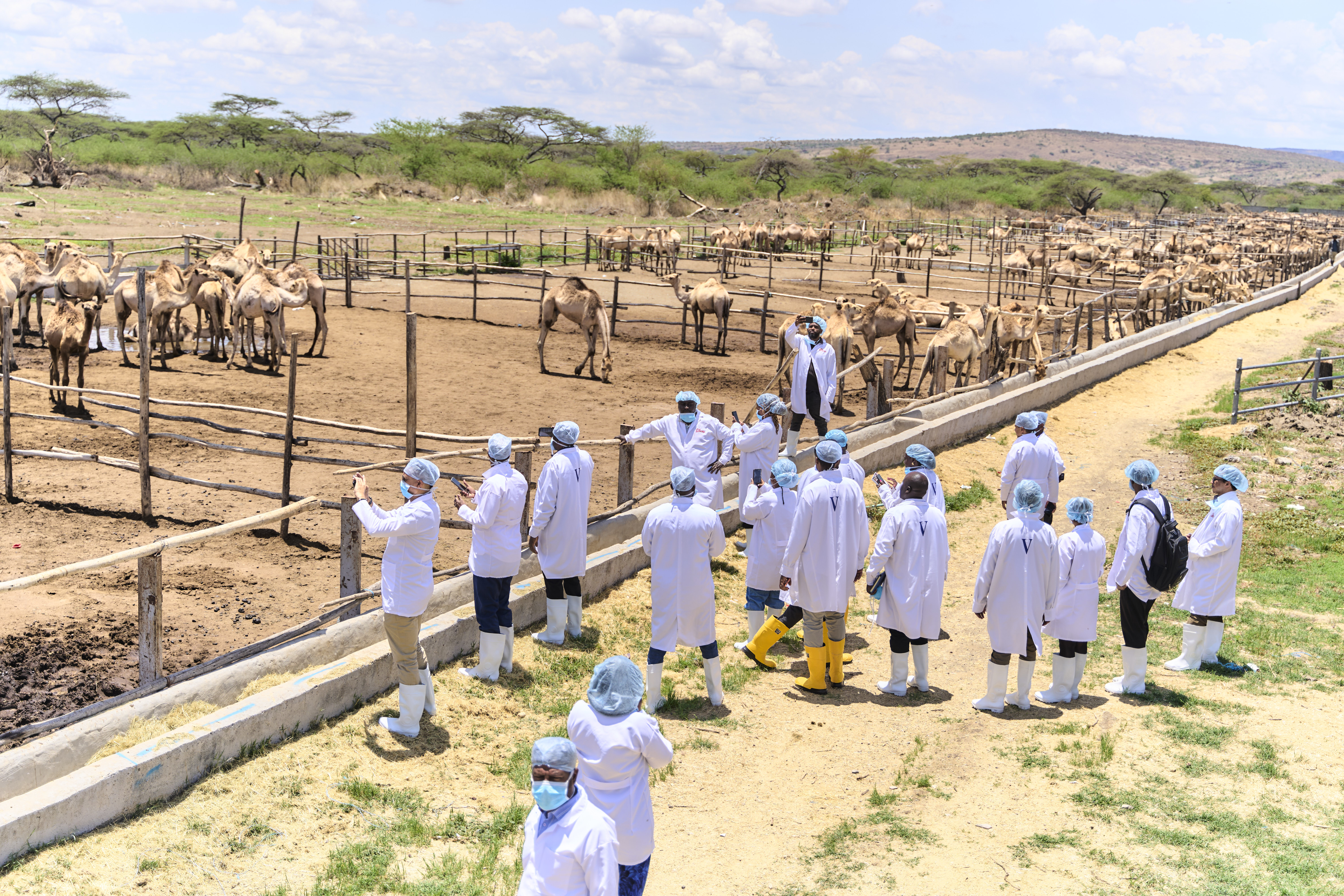
Additionally, a demonstration at the plant’s camel feedlot showcased innovations in livestock finishing systems designed to improve quality and consistency prior to market.
The field experience reinforced the importance of aligning upstream production practices with downstream market requirements, thus highlighting the need for embedded quality assurance across the entire value chain and not just at the point of processing.
Anchoring sustainable market linkages through contracting models
A key takeaway from the training was the growing relevance of contracting models in strengthening livestock market systems. These models formalize relationships between producers and buyers, providing guaranteed market access for producers, predictable supply for processors and exporters, improved access to input, finance and extension services, and, enhanced compliance with quality standards.
By enhancing market predictability and fostering mutual accountability, contracting arrangements enable market producers, especially pastoralists, to transition from subsistence-oriented production to market-driven systems.
As the member states continue to invest in traceability, certification and structured market linkages, the potential to transform pastoral economies into competitive, inclusive and export-ready sectors is increasingly becoming attainable.