

African Pastoral Markets Development Platform unlocks ₦3,749,400,000 in Nigeria's domestic supplies and forward contracts
The African Pastoral Markets Development (APMD) project convened a high-impact B2B meeting and investment matchmaking platform that signaled Nigeria’s livestock sector as not only a large one but also investible, scalable and with the potential for rapid formalization.
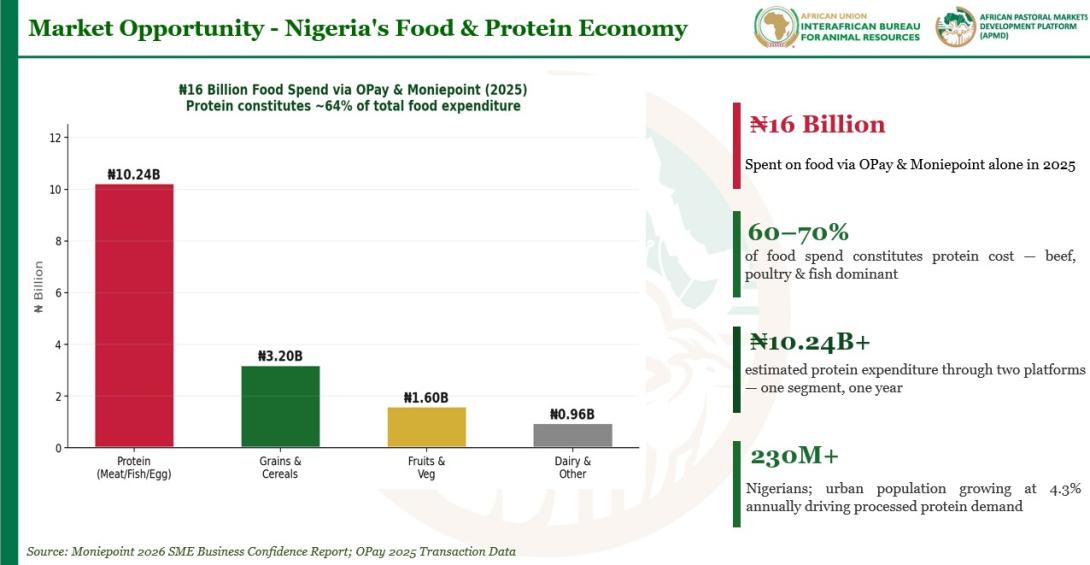
With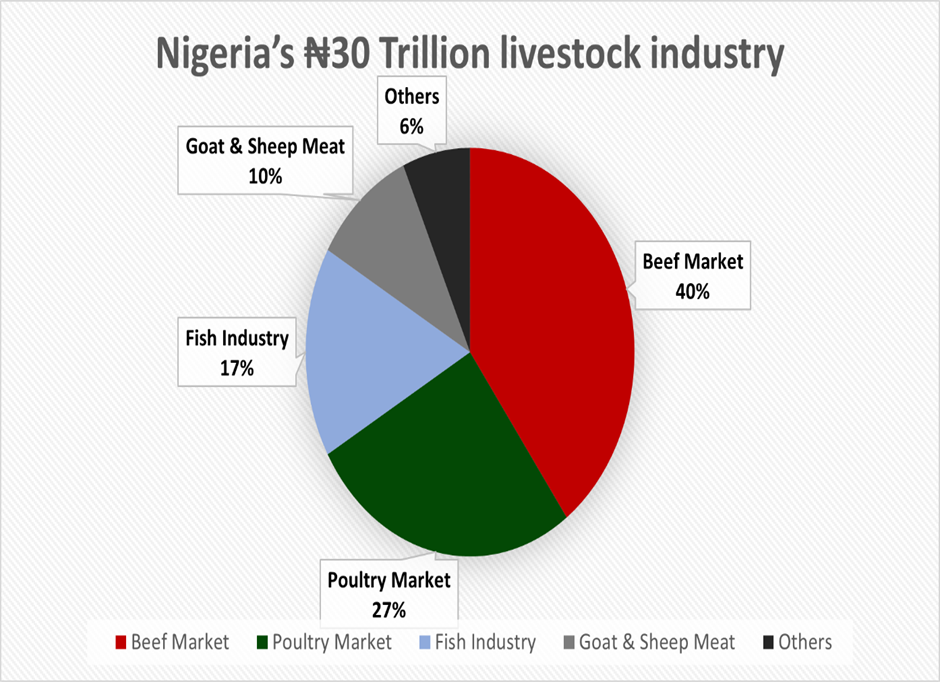 a livestock population exceeding 200M, Nigeria presented the case of one of the continent’s largest reservoirs of animal protein production with an annual meat consumption of 1.5 metric tonnes driven by population growth, urbanization and the shifting dietary preference toward high protein intake.
The red meat market is estimated at ₦1 trillion at production level and further at retail in value, which underscored the depth of demand in the domestic economy. In spite of these, supply chains remain fragmented, limited infrastructure and dominance of the informal trade within the sector have persisted. As a result, Nigeria continues to rely partially on imports and cross-border livestock flows to meet its protein needs.
The gap between the demand and the under-optimized supply defined Nigeria’s Total Addressable Market (TAM) in livestock production aggregation, logistics, processing and retail. The Abuja matchmaking moved these beyond the market size and demonstrated a clear pathway towards a serviceable obtainable market (SOM) within structured livestock value chains, the Platform, unlocked ₦3.7 billion in investment commitments, while catalyzing concrete supply chain agreements and digital transformation pilots that directly address long-standing inefficiencies and bottlenecks in the sector, a strong indicator that investors are recognizing the viability of livestock as a commercial asset class.
Of significant outcomes was the activation of formal supply of an estimated volume of 416.6 tonnes between the producers, and processors. ABIS Group, for instance, onboarded the Livestock Butchery and Cooperative Society to supply 100 cattle of an average weight of 550kgs per week. Other producers and processors included the Majestic Farms, Abbat Abattoir, MACBAN that agreed on consistent volumes, and quality control in the supply chain. This reflected the growing confidence among processors in building reliable upstream relationships, an important step in scaling meat production and marketing.
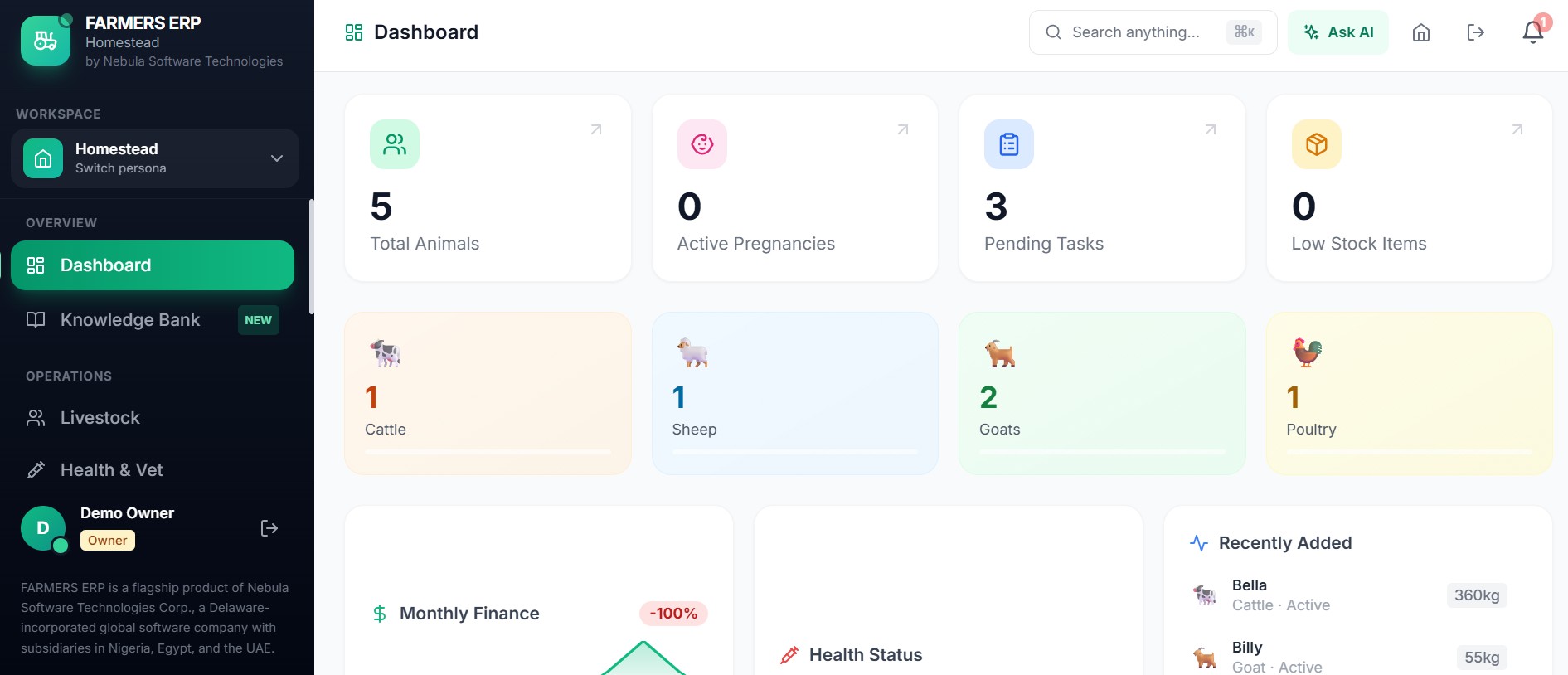
Nebula Technologies, a provider of the Farmers ERP systems, offered to pilot its digital platform with the 27 stakeholders. Through the free premium access offer, the provider lowered the barrier to digital adoption for producers, aggregators and processors to capture, utilize and integrate data across their operations. Addressing data opacity, that has for long-time limited access to credit, insurance and investment, however, with improved record-keeping, traceability and performance monitoring, stakeholders are better positioned to integrate into formal markets and attract finance.
The Abuja B2B meeting and investment matchmaking platform offered a compelling example of how structured and integrated systems convert market potential into concrete deal. At the same time, the financial service providers noted that investment opportunities are expanding across feed systems, commercial ranching, processing infrastructure, and cold chain systems. In doing so, noted the Federal Ministry of Livestock Development, it does not only unlock immediate investments but also lays groundwork for a more resilient, transparent and scalable market systems.