

Securing Rural Economies: Central Africa Accelerates PPR Surveillance Toward 2030
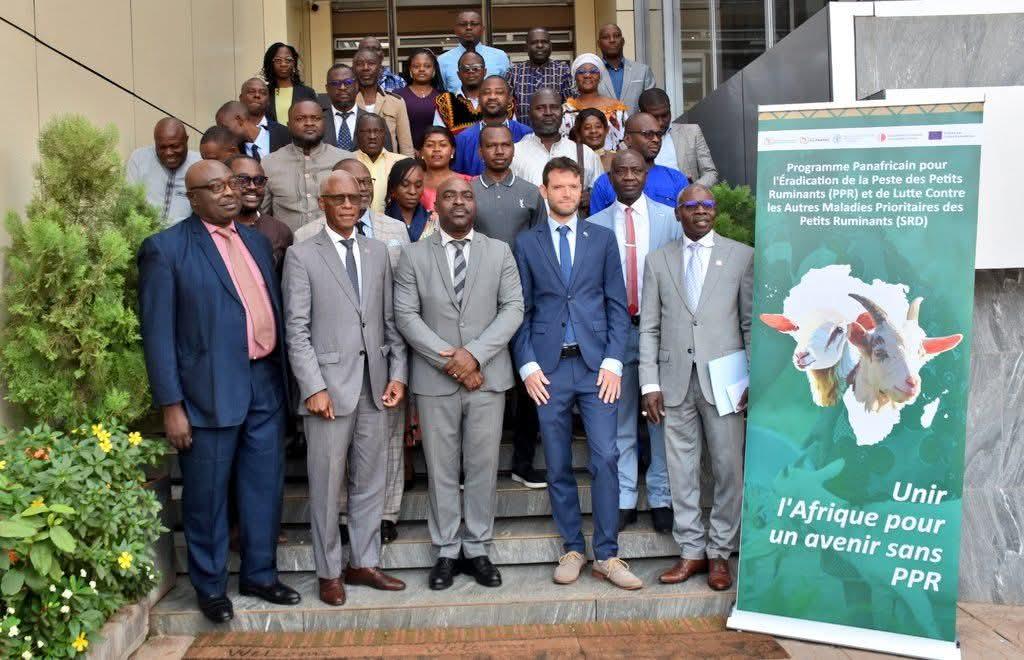
The fight against Peste des Petits Ruminants (PPR) in Central Africa reached a critical milestone from 21–23 April 2026, as ECCAS Member States representatives, technical experts, and development partners convened in Yaoundé, Cameroon. Organized under the Pan-African Programme for the Eradication of PPR (PAPS), hosted by AU-IBAR and funded by the European Union, this regional workshop brought together key stakeholders to transform technical dialogue into a unified roadmap for the progressive eradication of PPR in Central Africa.
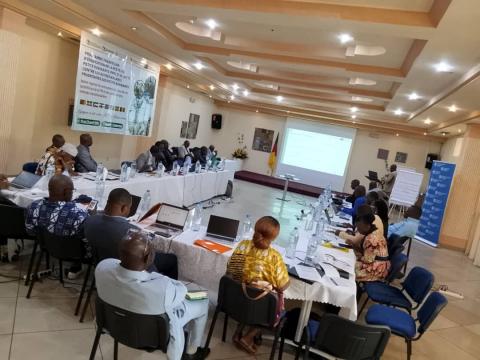
This workshop focused on strengthening national and regional surveillance systems, equipping countries with the technical tools required to detect, monitor, and effectively respond to PPR outbreaks.
Participants engaged in technical sessions covering:
-
epidemiological surveillance systems
-
risk-based and community-based surveillance approaches
-
laboratory diagnostics and data management
-
sampling strategies and sero-surveillance
Beyond the technical challenge of animal health, the urgency of this meeting was defined by the socio-economic stakes: the protection of livelihoods, rural resilience, and the essential savings of livestock-dependent families
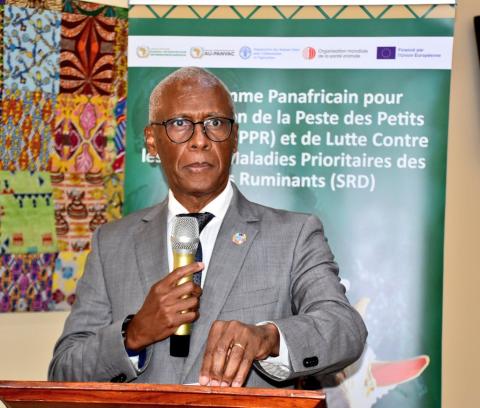
During the opening session, key leaders reinforced the path toward 2030:
Dr. Antonio Querido (FAO Representative, Cameroon): "Eradicating PPR by 2030 is ambitious but achievable if we unite our efforts and strengthen partnerships."
Dr. Mimbang Guy Iréné (Technical Advisor, MINEPIA): "We must go beyond detection; real-time reporting and effective surveillance and efficient control measures implementation are essential."
Julien Abratis (European Union Representative): "PPR is not just an animal disease it is a major economic and social issue."
Dr. Marcel Casimir Ndongo Kounou (Regional Coordinator, AU-IBAR): "Eradication is within our reach, but it requires sustained and collective commitment."
Through practical work group, countries developed national sampling plans and priority roadmaps, reinforcing their readiness to implement surveillance activities at scale. Beyond technical exchange, the workshop marked a shift from capacity building to operational readiness. Countries were equipped with appropriate tools and approaches needed to strengthen surveillance systems and respond more effectively to PPR threats.
Participants transitioned from policy discussion to operational readiness, achieving concrete results that will define the region’s progress:
Enhanced Technical Capacity: Strengthened expertise in risk-based and community-based surveillance approaches.
National Frameworks: Finalized sampling plans and prevalence study roadmaps for immediate implementation.
Systems Integration: Adoption of a synchronized model where laboratory capacity, data management, and early warning systems drive a rapid response to outbreaks.
This initiative reinforces a critical paradigm shift from fragmented interventions to a systems-based approach:
Surveillance → Early detection → Rapid response → Disease control → PPR eradication
By strengthening each link in this chain, countries are better equipped to interrupt transmission, improve targeting, and sustain long-term impact.
Participants highlighted key areas requiring urgent attention:
-
strengthening laboratory capacity (equipment, reagents, diagnostics)
-
improving sample collection and transport systems
-
enhancing cross-border coordination and data sharing
-
securing sustainable financing for surveillance activities
While the momentum is strong, the workshop identified critical priorities to ensure long-term success, including the necessity of sustainable financing, improved diagnostic infrastructure, and seamless cross-border data sharing. By strengthening these pillars, Central African nations are not only working to interrupt disease transmission but are securing the future of their rural economies.