

AUN-CEFAAB Advances Practical Solutions for Africa’s Fisheries and Blue Economy
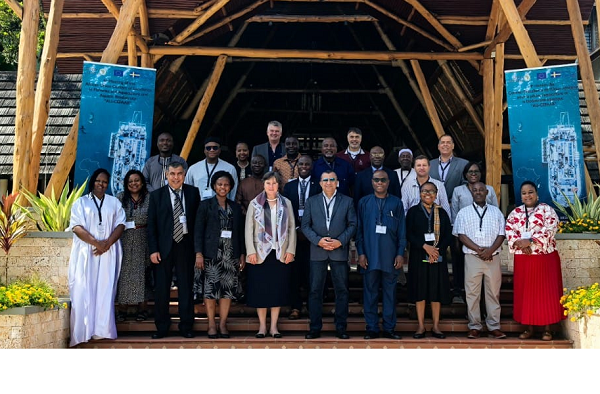
Mombasa, Kenya | 27–28 May 2026
The African Union Network of Centres of Excellence in Fisheries, Aquaculture and Aquatic Biodiversity is convening its 4th Physical Meeting in Mombasa, Kenya, from 27 to 28 May 2026, under the FishGov2 Project and Conserving Aquatic Biodiversity in the African Blue Economy Project, implemented by AU-IBAR with support from the European Union and Swedish International Development Cooperation Agency, respectively.
The meeting brings together African Union-endorsed Centres of Excellence, AU-IBAR, AUDA-NEPAD, and partners to take stock of progress, strengthen coordination, and agree on the next steps to make the network more operational and sustainable.
The network was established to bring together African universities, research institutions and technical centres working in fisheries, aquaculture and aquatic biodiversity. Its purpose is to ensure that Africa’s scientific and technical expertise is better connected and more directly used to support policy, capacity building and practical solutions for Member States.
Speaking at the opening session on behalf of the AU-IBAR Director, Dr Huyam Salih, Hellen Guebama, noted that Africa already has strong expertise in the sector, but that this expertise needs to be better organised and applied.
“The question is no longer whether the expertise exists in Africa; it clearly does. The challenge is how to better connect it, strengthen collaboration, and translate knowledge into practical impact. That is why this network matters.”
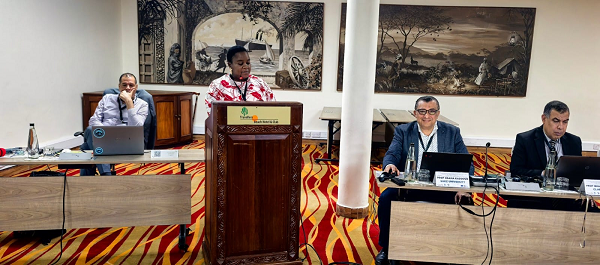
The meeting builds on earlier engagements held in Cairo, Addis Ababa and Kampala. It also marks an important moment for the network, as it shifts from project-supported coordination towards stronger institutional leadership and self-governance.
AUDA-NEPAD underlined the importance of moving beyond frameworks and strategies to practical delivery. It stressed that the Centres of Excellence should become active partners in helping Member States and regional bodies implement the African Union's priorities in fisheries, aquaculture, and aquatic biodiversity.
“Africa does not need policies and strategies alone. What Africa needs now are capable institutions that can help translate continental and regional frameworks into practical solutions for Member States.”
AUDA-NEPAD shared five key messages for the network’s future. The first was the need to organise for delivery through clear governance, agreed roles and a realistic work plan. The second was to strengthen coordination while respecting each Centre's autonomy. The third was to ensure that the network becomes useful to Member States and regional institutions by responding to real needs. The fourth was to move from visibility through endorsement to visibility through performance. The fifth was to take sustainability seriously by exploring funding beyond project support.
The Chairperson of the network of Centres of Excellence, Prof Osama Kaddour, Faculty of Fisheries Resources, Suez University, Egypt, also recognised the value of collaboration among the Centres, particularly in sharing technical knowledge, supporting applied research, strengthening technology transfer and building human capacity across Africa.
During the two-day meeting, participants will review progress made since previous meetings, share institutional experiences and discuss the draft operational framework for the network. The meeting also considered issues related to capacity building, equipment support, curriculum development, research collaboration and the role of the Centres in supporting continental and regional priorities.
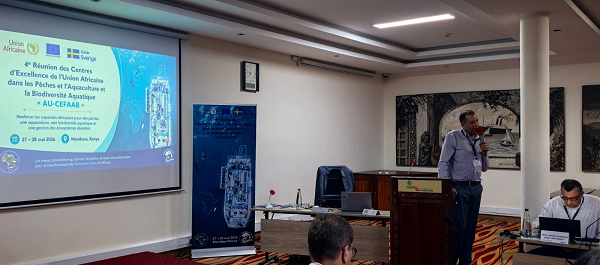
A key expected outcome is the adoption of an operational framework to guide the network's operations. The meeting is also expected to support the election of a Bureau, including a Chairperson, Vice-Chairperson, General Secretary, Treasurer and Work Programme Vice-Secretary. This will help move the network towards stronger ownership, accountability and continuity.
The Mombasa meeting comes at a time when Africa’s aquatic resources face growing pressure from climate change, overfishing, habitat degradation, illegal fishing and increasing demand for fish and aquatic foods. Stronger institutions, better data, applied research and coordinated technical support are therefore essential.
The 4th Physical Meeting of AUN-CEFAAB is an important step in positioning the Centres of Excellence as a practical mechanism for supporting Africa’s blue economy. Its success will be measured not only by the structures put in place but also by the quality of support the network provides to Member States, regional bodies, and communities that depend on fisheries, aquaculture, and aquatic biodiversity.