

Border Communities Between Sierra Leone and Guinea at the Forefront of Africa’s Fight Against PPR
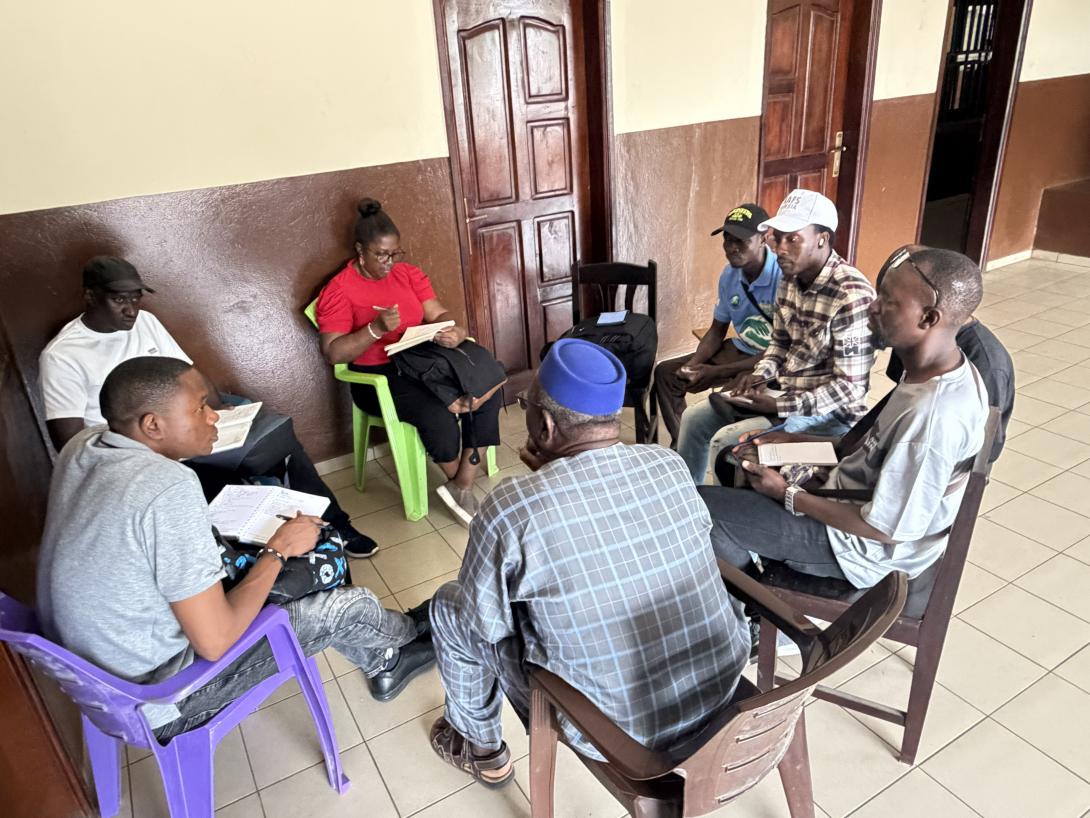
A field mission conducted in the border areas between Sierra Leone and Guinea highlighted the critical importance of cross-border collaboration in the prevention and control of Peste des Petits Ruminants (PPR) and other transboundary animal diseases. Discussions with veterinary services, border authorities, traditional leaders, Community Animal Health Workers (CAHWs), and livestock keepers helped identify existing good practices as well as priority areas requiring strengthened support.
Participants emphasized that border communities play a vital role in the early detection of diseases, the sharing of animal health information, and the implementation of vaccination campaigns. The mission also underscored the need to strengthen harmonized surveillance systems, information-sharing mechanisms, and joint responses to disease outbreaks.
Regular livestock movements between Sierra Leone and Guinea facilitate trade and support the livelihoods of rural communities. However, they also increase the risk of spreading transboundary animal diseases.
In this context, strengthening coordination between neighboring countries is a strategic approach to improving animal health surveillance, enhancing prevention capacities, and ensuring rapid and coordinated responses to animal health threats. Participants specifically recommended the organization of joint vaccination campaigns, the strengthening of surveillance systems, and greater integration of the One Health approach.
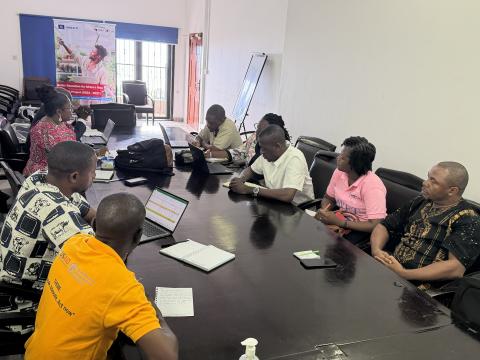
Enhanced surveillance and cross-border cooperation will help protect the livelihoods of livestock-dependent communities, reduce animal losses, and improve food security.Discussions also highlighted the important role played by Community Animal Health Workers in remote areas. Their involvement helps raise awareness among livestock keepers, improve the adoption of preventive measures, and facilitate the rapid detection of diseases.
Among the key recommendations emanating from the mission, was the establishment of a multipurpose quarantine center equipped with diagnostic laboratory facilities in a strategic border location. Such infrastructure would strengthen early disease detection, improve livestock movement management, and support emergency animal health interventions.
The mission was conducted by the Pan-African Programme for the Eradication of PPR (PAPS), hosted by AU-IBAR and funded by the European Union, in collaboration with Sierra Leone’s Ministry of Agriculture and Food Security, local authorities, border communities, and field stakeholders.These partnerships remain essential for strengthening national capacities, supporting community-based veterinary services, and promoting a coordinated approach to the control of transboundary animal diseases.
The findings of this mission confirm that cross-border collaboration is a key pillar of the continental strategy for PPR eradication. By strengthening surveillance, vaccination, information-sharing mechanisms, and coordination between countries, Sierra Leone and Guinea are shaping the regional foundation to build more resilient livestock systems and accelerate progress toward the goal of a PPR-free Africa by 2030.
These efforts directly contribute to the achievement of the continental #PPR2030 goal, which aims to protect the livelihoods of millions of livestock keepers and strengthen food security across the continent.