

From Evidence to Action: Liberia Identifies Critical Priorities to Accelerate PPR Eradication
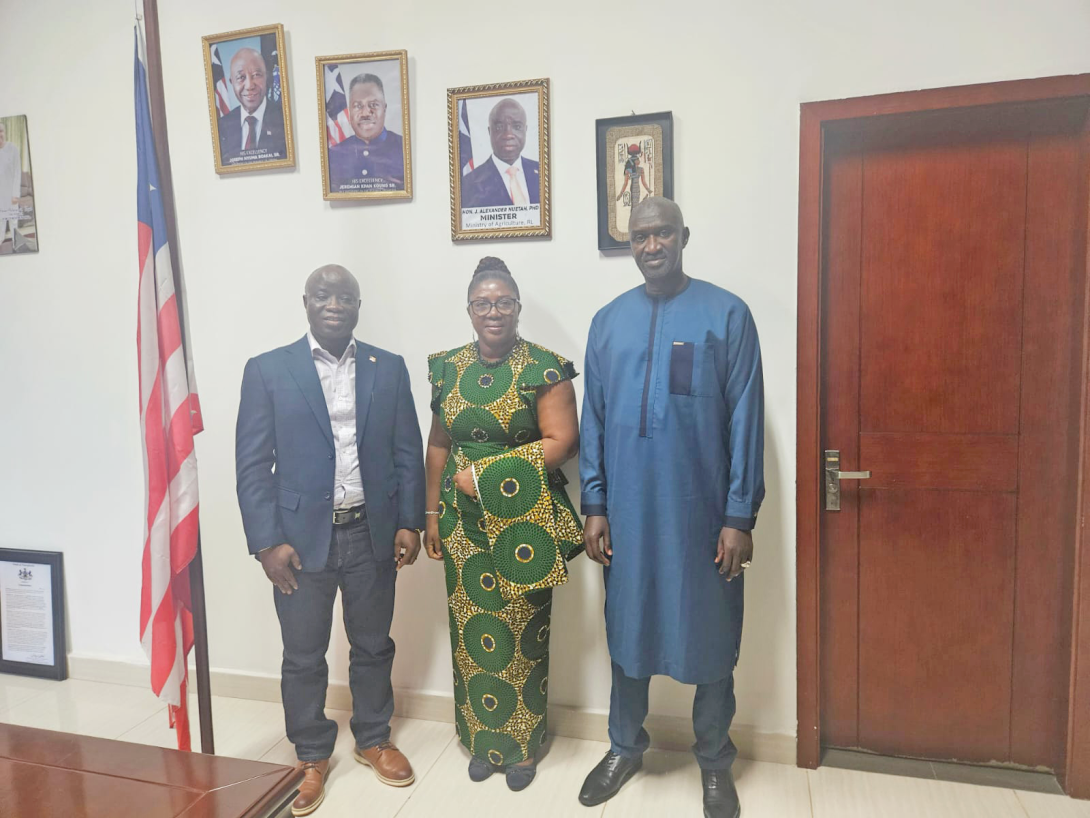
Monrovia, Liberia, August 2026 Liberia has taken an important step towards strengthening its PPR eradication effort following a field Monitoring and Evaluation mission conducted by AU-IBAR through the Pan-African PPR Secretariat (PAPS) with financial support from the European Union.
The mission assessed the country’s actual operational readiness across surveillance, diagnostics, vaccination, veterinary governance, data management and cross-border coordination, moving beyond reported results to verify capacities directly in the field.
Liberia’s progress has implications beyond its borders. The country shares boundaries with Sierra Leone, Guinea and Côte d’Ivoire, placing it within a highly connected livestock movement system. In Nimba County, the Ganta border area connects Liberia directly with Guinea and Côte d’Ivoire, where numerous informal crossings make effective surveillance and movement control particularly important.
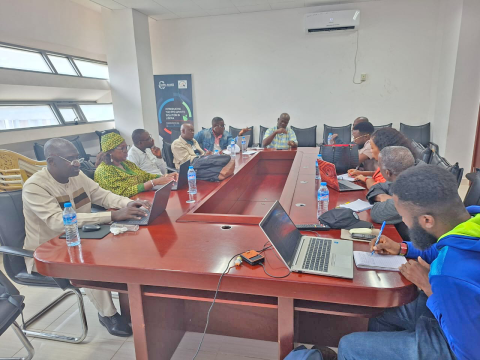
At Ganta, the mission assessed the Veterinary Laboratory and Animal Quarantine Centre and convened a joint border consultation attended by 21 representatives drawn from 11 institutions, namely, the veterinary services, border security, customs, trade, public health and other actors. This demonstrated an existing multi-agency platform that can be strengthened for coordinated cross-border disease surveillance.
The assessment confirmed that Liberia has important institutional and technical foundations, but several constraints continue to limit their operational effectiveness.
At the Central Veterinary Diagnostic Laboratory in Fendell, the mission documented challenges affecting PCR capacity, biosafety equipment, freezers, electricity, reagents and sample referral. Cold-chain limitations also constrain the country’s capacity to conduct vaccination at the scale required.
The findings make one point particularly clear: vaccination alone will not eradicate PPR. Vaccines must be backed by functional laboratories, continuous surveillance, trained veterinary personnel, reliable data, effective animal movement controls and predictable financing.

The mission secured important commitments from the Minister of Agriculture. The Minister confirmed that the National Strategic Plan (NSP), which has remained unsigned since the November 2025 workshop, will be signed once formally presented to his office. He further committed to reviewing the status of the Animal Health Law and taking the necessary steps to ensure its operationalisation and effective implementation. These are not simply administrative matters. They affect the legal and strategic basis for animal identification, movement control, disease reporting and sustainable financing of veterinary services.
The mission secured important feedback from the Ministry of Agriculture. During the ministerial debriefing, the Government indicated plans to recruit and deploy 109 Livestock Officers to at least five counties, procure 109 motorcycles for livestock technicians, strengthen monitoring of the veterinary workforce, upgrade the Ganta facility and train newly recruited personnel in diagnostics, disease recognition and safe sample transportation.
Strengthening Liberia’s PPR system will reinforce disease control across the Mano River Basin and contribute directly to Africa’s continental eradication objective.
The immediate priorities are therefore clear: operationalise the National Strategic Plan and legal framework; strengthen veterinary staffing and financing; restore laboratory and cold-chain functionality; improve surveillance and data systems; reinforce cross-border coordination; and increase community engagement around vaccination.
The evidence generated will guide targeted follow-up with Liberia and inform priorities for the next phase of the Pan-African PPR programme.
The mission was conducted under the Pan-African Programme for the Eradication of PPR, coordinated through PAPS, hosted by AU-IBAR, with financial support from the European Union.