

Tunisia and AU-IBAR Identify Opportunities for One Health Cooperation
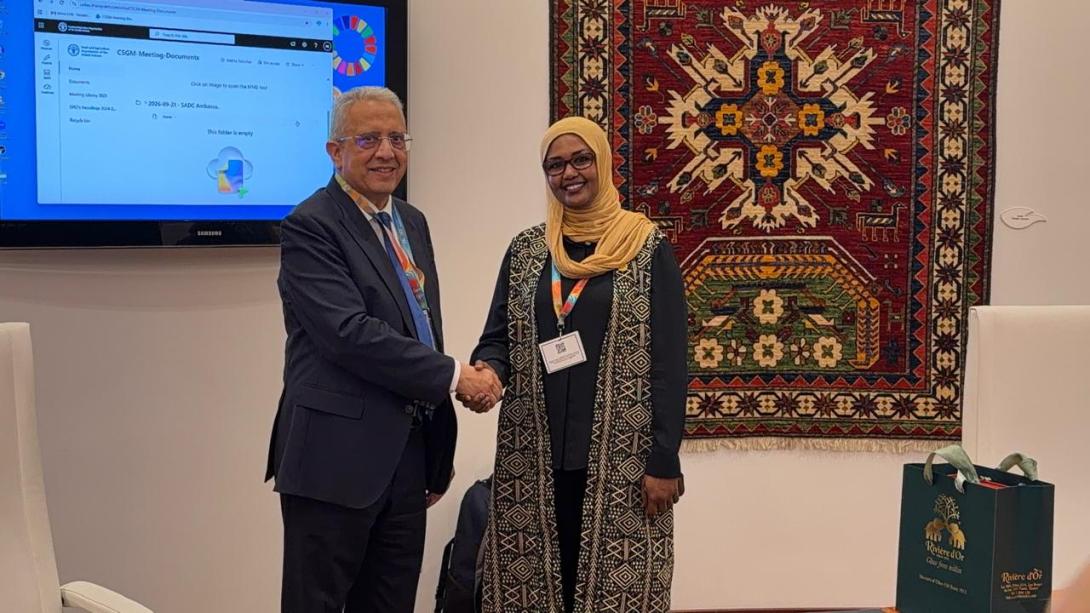
Connecting Tunisia’s health leadership and animal health surveillance expertise with AU-IBAR’s continental mandate for coherent animal health preparedness,
Rome, Italy FAO Global Conference for Actions on One Health in Agrifood Systems 21–23 September 2026
H.E. Prof. Mustapha Ferjani, Minister of Health of the Republic of Tunisia, met Dr Huyam Salih, Director of the African Union InterAfrican Bureau for Animal Resources (AU-IBAR), on the sidelines of the FAO Global Conference for Actions on One Health in Agrifood Systems in Rome. Their discussion underscored the value of closer cooperation between national institutions and the African Union in addressing health risks that affect people, animals and the environment.
The engagement brought a public health perspective into a conversation on animal health and surveillance. It also drew attention to the practical challenge at the heart of One Health: information and expertise often sit in separate institutions, even when the risks they address are connected. Closer exchange can help recognise emerging threats earlier and coordinate action across sectors.
Tunisia’s National Centre for Animal Health Surveillance offers relevant technical experience for this dialogue. Dr Mohamed Naceur Baccar, its Director-General, spoke about the importance of strengthening the partnership with AU-IBAR. His intervention highlighted an opportunity to connect national surveillance knowledge with regional and continental networks, while sharing methods and lessons that may be useful to other African countries.
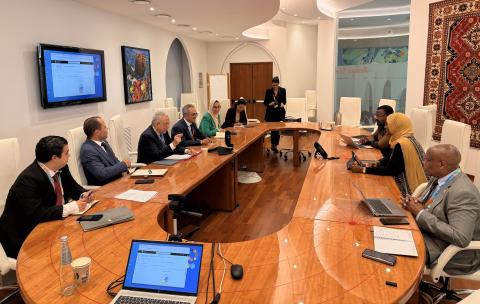
Such cooperation matters because animal diseases and zoonotic threats do not follow administrative boundaries. Surveillance depends on timely reporting, laboratory capacity, skilled professionals and clear channels for exchanging information. When these elements work together, countries are better placed to assess risks and prepare a proportionate response. The benefit to communities depends on how effectively that information reaches the institutions responsible for action.
AU-IBAR works with African Union Member States, Regional Economic Communities and technical partners to strengthen animal health systems and advance the development of animal resources. The discussion with Tunisia illustrates how a national institution’s expertise can inform wider cooperation, while continental mechanisms can make it easier to share knowledge across borders.
The meeting pointed to potential areas for further engagement, including animal health surveillance, technical exchange, institutional capacity and the use of One Health approaches. These areas of shared interest offer a basis for identifying where Tunisian and AU-IBAR’s expertise can meet a specific need and how the institutions could work together.
A useful next step would be for the two sides to identify a small number of concrete technical priorities to be pursued by the two institutions. Exchanges on surveillance practice, data use and early warning could provide a starting point, subject to agreement by the partners. Clear objectives and follow-up responsibilities would allow progress to be assessed and useful lessons to be shared more widely.
The engagement reflects a broader principle for Africa’s One Health agenda: strong continental systems grow from capable national institutions that can exchange evidence and act together. By connecting Tunisia’s expertise with AU-IBAR’s convening role, continued dialogue can support more coherent animal health preparedness and, ultimately, stronger protection for livelihoods, food systems and public health.