

Preparedness Begins Before a Crisis: AU-IBAR Calls for Stronger One Health Systems in Africa
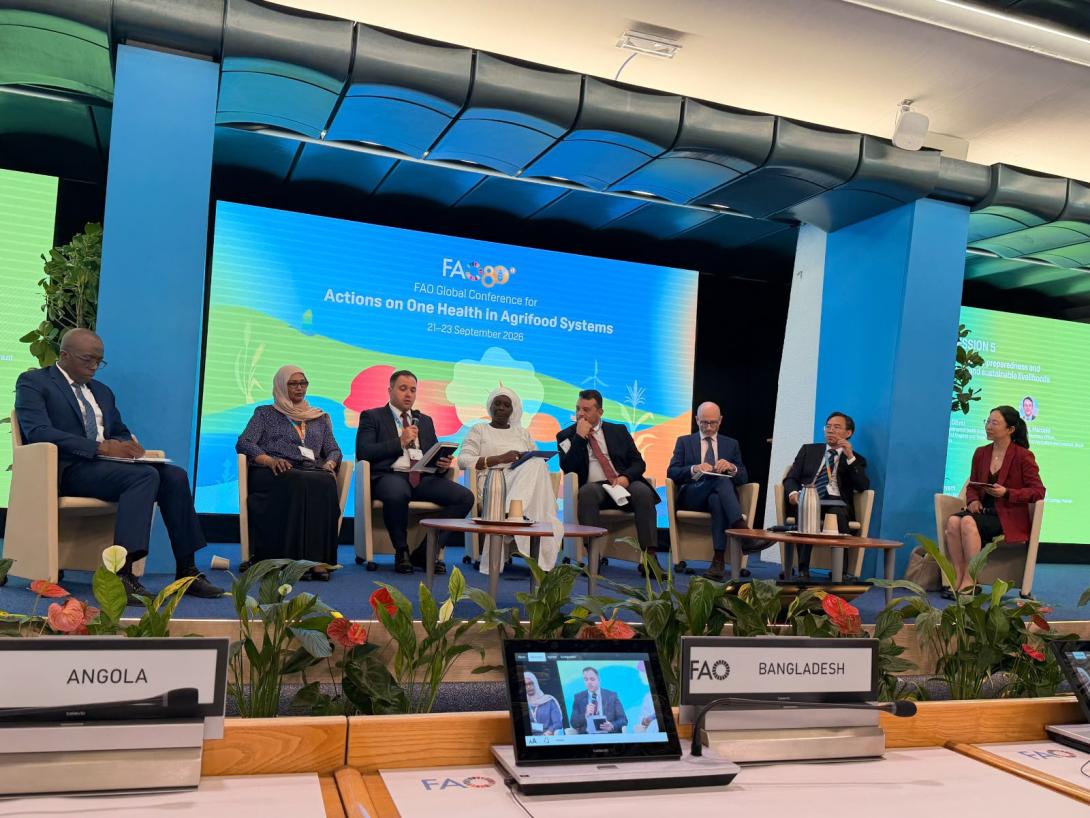
Rome, Italy 22 September 2026 FAO Global Conference for Actions on One Health in Agrifood Systems
Countries cannot wait for an outbreak to build the systems they will need to contain it. That was the central message delivered by Dr Huyam Salih, Director of AU-IBAR, during Session 5 of the FAO Global Conference for Actions on One Health in Agrifood Systems.
The session, “One Health for a Better Life: From Emergency Preparedness and Response to Resilient Agrifood Systems and Sustainable Livelihoods,” examined the investments needed to prevent, detect and respond to future health threats. Dr Salih stressed that, when an emergency occurs, countries must rely on the information systems, skilled personnel, institutions and partnerships established beforehand.
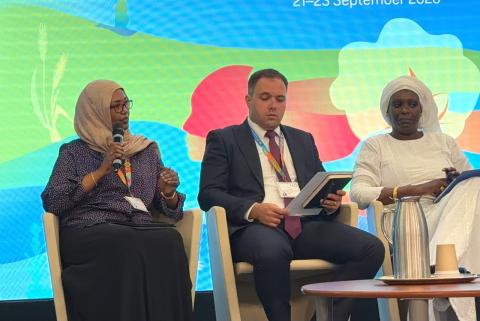
She identified four connected investment priorities for Africa:
-
Data and early warning: Strengthen existing systems, including AU-IBAR’s Animal Resources Information System (ARIS), and turn surveillance data into information that guides timely decisions.
-
Institutional and technical capacity: Invest in diagnostics, infrastructure, veterinary services and skilled professionals at national and regional levels.
-
Coordination: Enable African Union Member States, Regional Economic Communities and continental institutions to share information, align their interventions and use resources effectively.
-
Communities and cross-border resilience: Extend preparedness to pastoral communities, fragile and conflict-affected areas, and places where people and animals move across borders.
Why do these investments matter? Health threats can emerge where people, animals and the environment interact, while diseases and livestock movements can cross national boundaries. Earlier detection is valuable only if capable institutions can assess the information and coordinate an effective response. Communities must also be able to report risks and access services where they live and work.
AU-IBAR’s contribution includes strengthening ARIS and advancing the African Union Digital One Health Platform, which aims to connect information across sectors and support more informed decisions. These continental tools depend on strong national capacities and regional cooperation to deliver value on the ground.
Dr Huyam Salih’s intervention offered a clear direction for the next phase of work: invest in existing systems, connect them across institutions and borders, and ensure that communities are part of early warning and response. Such investments can strengthen animal health systems while helping to protect livelihoods, food and nutrition security, and resilient agrifood systems.
The lesson from Rome is straightforward: the quality of tomorrow’s response will depend on the capacities built today.