

AU-IBAR at the FAO One Health Conference: Advancing Africa’s Animal Health Priorities
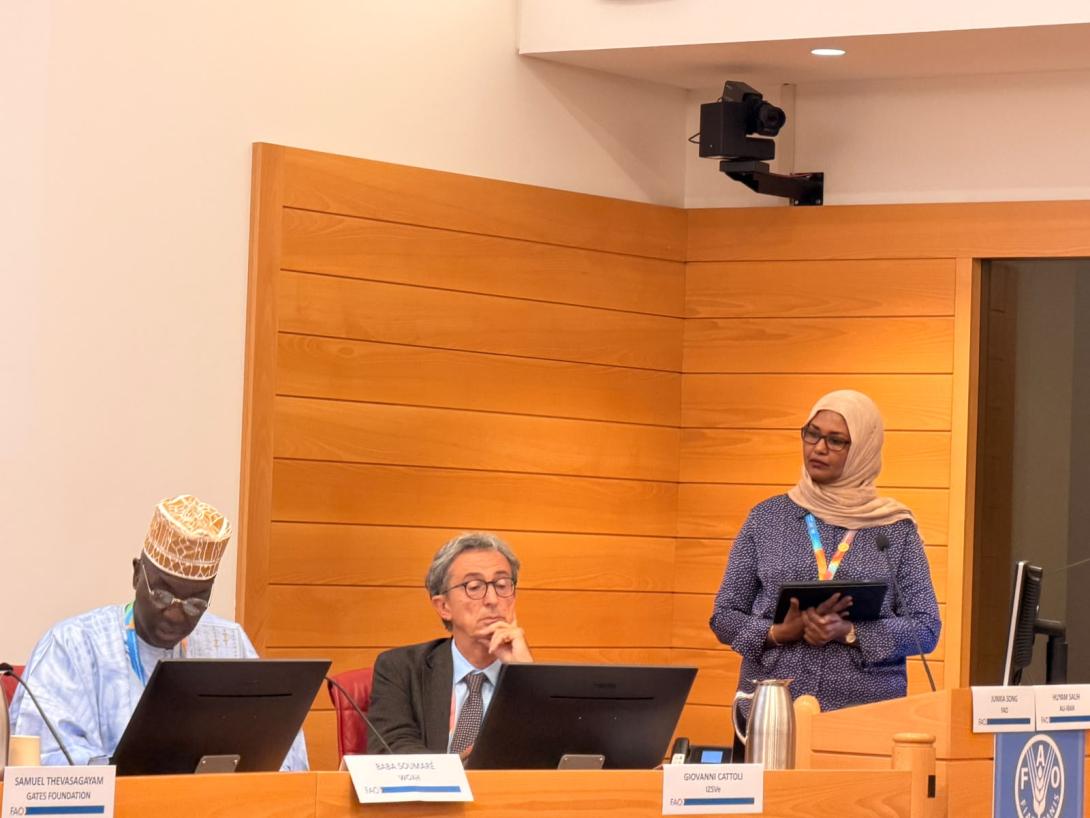
From 21 to 24 September 2026, Dr Huyam Salih, Director of AU-IBAR, brought Africa’s animal health and livestock development priorities to a series of dialogues at FAO headquarters in Rome.
At the FAO Global Conference for Actions on One Health in Agrifood Systems (21–23 September), she stressed that preparedness for health emergencies requires investment long before a crisis occurs: in information and early warning systems, veterinary capacity, coordination among institutions, and the resilience of communities, particularly in cross-border areas.
On 22 September, she also participated in the second segment of the side event on the eradication of peste des petits ruminants (PPR) and the control of foot-and-mouth disease. The dialogue highlighted a central challenge for Africa: turning political commitments into financed plans, stronger veterinary services and coordinated action across countries.
On 24 September, at the workshop organised by FAO and the Pandemic Fund on strengthening animal health systems, Dr Salih emphasised the role of communities in detecting and sharing information on health threats. She presented AU-IBAR’s contribution through ARIS and the African Union Digital One Health Platform (AU-DOHP), as well as the opportunities offered by the SCOPE project in the Lake Chad Basin.
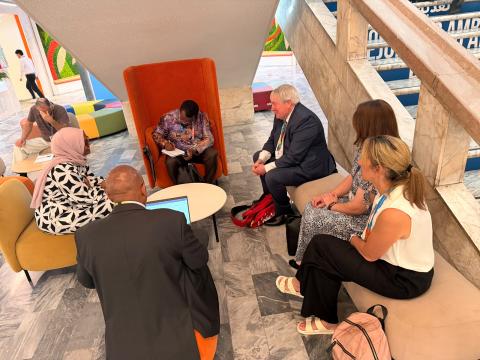
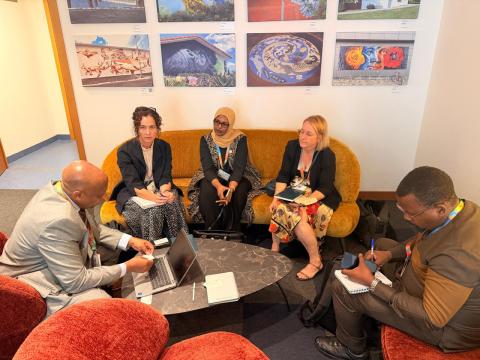
These engagements were complemented by discussions with a delegation from Tunisia led by Honourable Minister of Health,ICARS, ICWE and partners involved in the LICS project. They explored opportunities for cooperation in surveillance, research, innovation, capacity development and animal welfare aligned with the needs of African Union Member States.
The next step is to give these discussions a practical direction: identify shared priorities and responsible institutions, and ensure that information gathered in the field informs decisions at national, regional and continental levels.
With clear follow-up, the opportunities explored in Rome can support early disease detection, better coordinated responses and more resilient animal health systems across Africa.