

Côte d’Ivoire Strengthens Its National Strategy to Accelerate PPR Eradication and Protect Livestock-Based Livelihoods
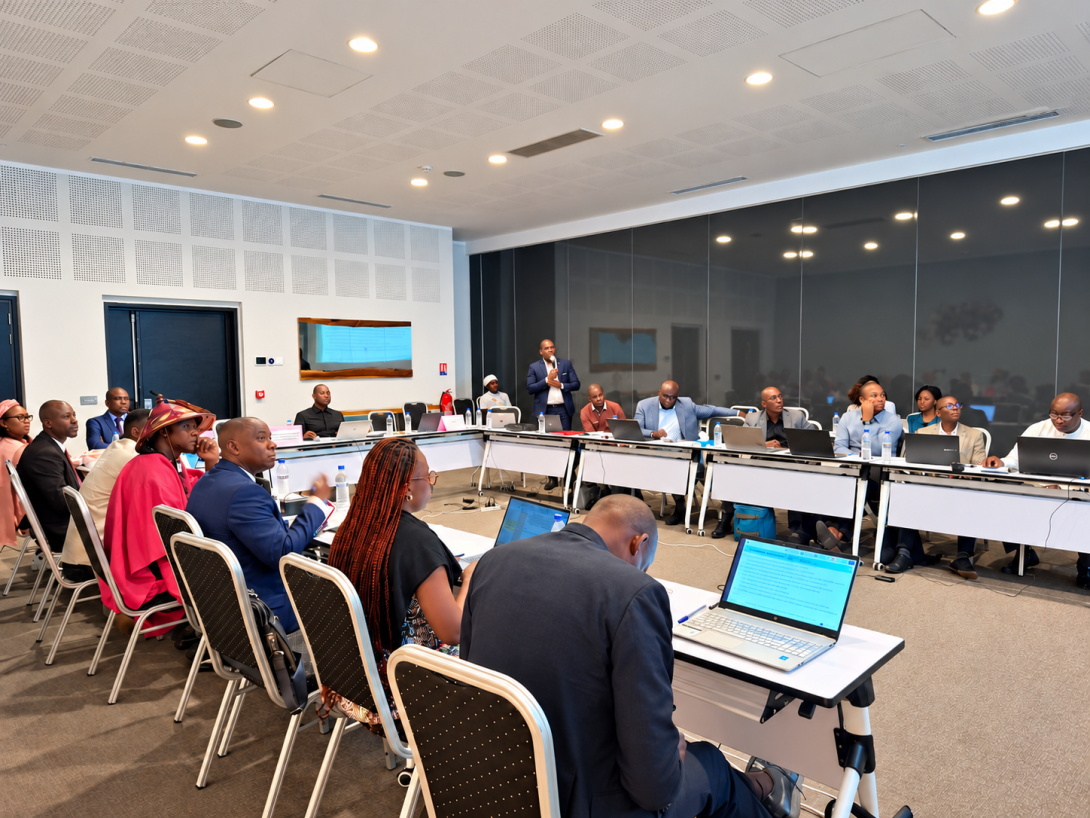
Abidjan, Côte d’Ivoire | 14–16 October 2026 has taken an important step towards accelerating the eradication of Peste des Petits Ruminants (PPR) through a three-day technical workshop dedicated to reviewing and validating its National Strategic Plan for the Control and Eradication of Peste des Petits Ruminants (PPR). The workshop brought together national veterinary authorities, technical experts and partners to strengthen the country’s approach to vaccination, surveillance and sustainable financing.
Supported by the African Union–Interafrican Bureau for Animal Resources (AU-IBAR), through the Pan-African PPR Secretariat (PAPS), and funded by the European Union, the initiative focused on translating national commitments into an operational, evidence-based strategy with clearly defined priorities, responsibilities, budgets and implementation timelines.
Significant challenges remain in achieving the vaccination coverage needed to interrupt PPR transmission. Côte d’Ivoire’s Director of Veterinary Services, Dr Vessaly Kallo, highlighted financing as a major constraint, noting that available resources support the vaccination of approximately one million sheep and goats annually, compared with an estimated annual target of six million.
Dr Perdita Lopes, Regional PPR Coordinator for West Africa, supported the call for predictable financing and urged countries to contribute at least 30% of national PPR eradication costs, in line with the commitment made by African ministers responsible for agriculture and livestock at their 2022 meeting in Nairobi. She reaffirmed AU-IBAR’s commitment, through PAPS, to providing technical assistance and strengthening regional coordination.
To maximise the impact of limited resources, she emphasised a risk-based, episystem approach that targets priority populations and coordinates interventions among epidemiologically linked countries. This should be supported by strengthened surveillance and systematic post-vaccination monitoring to verify coverage, assess population immunity and guide corrective action towards PPR eradication.
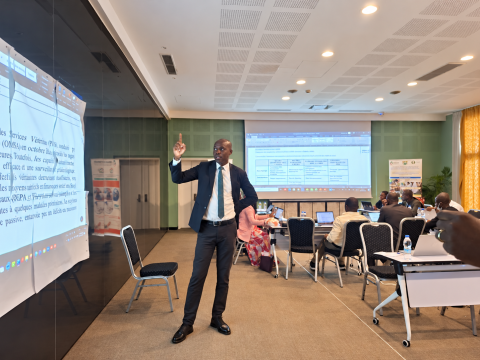
Côte d’Ivoire occupies a unique place in the history of PPR eradication. The disease was first described in the country in 1942, while Abidjan hosted the adoption of the Global Strategy for the Control and Eradication of PPR in 2015. These milestones underscore the country’s longstanding role in advancing the global eradication agenda.
During the workshop, national authorities reiterated the importance of consolidating existing efforts rather than developing an entirely new strategy. The revised plan is expected to provide a coherent national framework for mobilising government resources, coordinating partner contributions and accelerating implementation.
Beyond its animal health implications, PPR represents a major socioeconomic threat, particularly for rural households that depend on sheep and goats for income, savings and food security. Women and young people are among those whose livelihoods can be particularly affected by livestock losses.
Stakeholders, such as INTERPRu, and the Livestock Farmers Association, also highlighted the importance of protecting domestic livestock production to strengthen local market supply, including during periods of high demand such as Eid al-Adha. Expanding vaccination coverage and strengthening veterinary services would support household resilience, food security and sustainable livestock development.
AU-IBAR underscored the importance of translating technical discussions into concrete, measurable actions and ensuring that national plans are supported by realistic financial and operational arrangements aligned with regional and continental priorities.
The workshop was expected to produce a technically revised national strategic plan, supported by a costed implementation roadmap, clearly assigned institutional responsibilities and strengthened mechanisms for monitoring progress.
The next priority will be to translate the revised strategy into sustained field interventions by mobilising additional financing, expanding targeted vaccination, strengthening surveillance and improving coordination among national and regional stakeholders.
By reinforcing national ownership, technical coordination and investment planning, Côte d’Ivoire is strengthening the foundations for protecting small-ruminant populations, safeguarding vulnerable livelihoods and contributing to Africa’s collective ambition to eradicate PPR.
Organised by the Pan-African PPR Secretariat (PAPS) Hosted by AU-IBAR Funded by the European Union.