

Accelerating food systems resilience: ECA Project underway in Kenya, Somalia, and Uganda
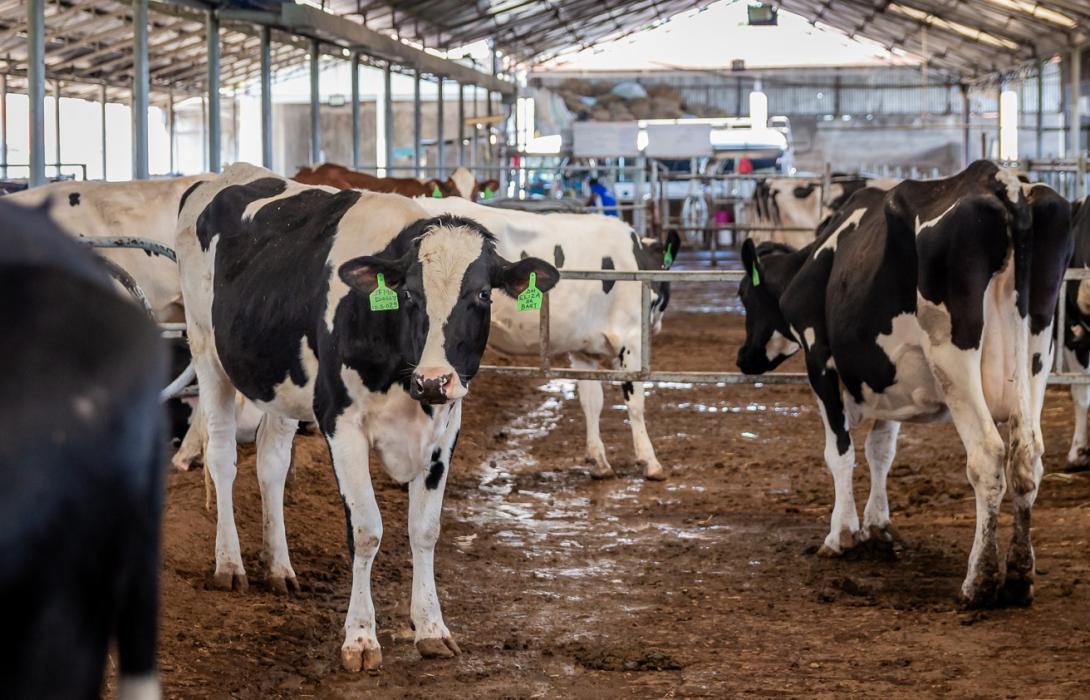
Nairobi, 21 July 2026 – Conducted under the 17th tranche of the Development Account, the initiative supports three countries in the Horn of Africa, Kenya, Somalia, and Uganda, in identifying challenges and opportunities for policy reforms that enable the effective harnessing of livestock value chains and secure access to land and pasture in contexts where these resources are often managed under common property regimes and subject to conflict. It also advances evidence-based decision-making to improve land management, early warning systems, and risk assessment for adaptation to climatic shocks.
A successful implementation of the project would strengthen the capacity of participating countries to develop policies and frameworks for resilient and integrated livestock value chains, and to enhance equitable and secure access to land and pasture. This would enable countries to strengthen policies and regulatory frameworks to support resilient livestock value chains and insurance programmes; develop integrated land and climate information management systems for better land management, early warning, and risk assessments; secure land and pasture access, especially for pastoralists and women; and promote sustainable and equitable investments.
In collaboration with long-standing partners, including the AUC, IGAD, UN entities, academia, research institutions, and non-state actors, the project's key interventions include research, policy dialogue, awareness-raising, and capacity-building activities for policymakers, legislators, and technical experts. These efforts aim to foster the development of supportive policies and regulatory frameworks that strengthen the resilience of food systems, particularly livestock value chains.
The National Inception Workshop for Kenya will be held tomorrow, 22 July 2026, at the African Union Inter-African Bureau for Animal Resources (AU-IBAR) Headquarters in Westlands, Nairobi, bringing together participants from ministries and government departments responsible for livestock development, associations of livestock producers, traditional leaders, non-governmental organizations, and the private sector. The workshop aims to provide a clear understanding of the project's goals, objectives, and implementation approach, while gathering feedback to enrich the inception notes and establishing realistic timelines for effective implementation.
During the workshop, four key inception notes outlining the objectives, methodology, and scope of the project will be presented for feedback and endorsement. These notes correspond to the project's four core domains: livestock value chains, climate-based agricultural insurance, land decision-support tools, and land tenure.
The workshop is also expected to help finalize the methodology and implementation plan, ensuring that they respond to Kenya's specific development priorities, and to mobilize the support of a broad range of stakeholders and local development partners.