

Angola, DRC and Tanzania Set Joint Priorities to Strengthen the Regional PPR Buffer Zone
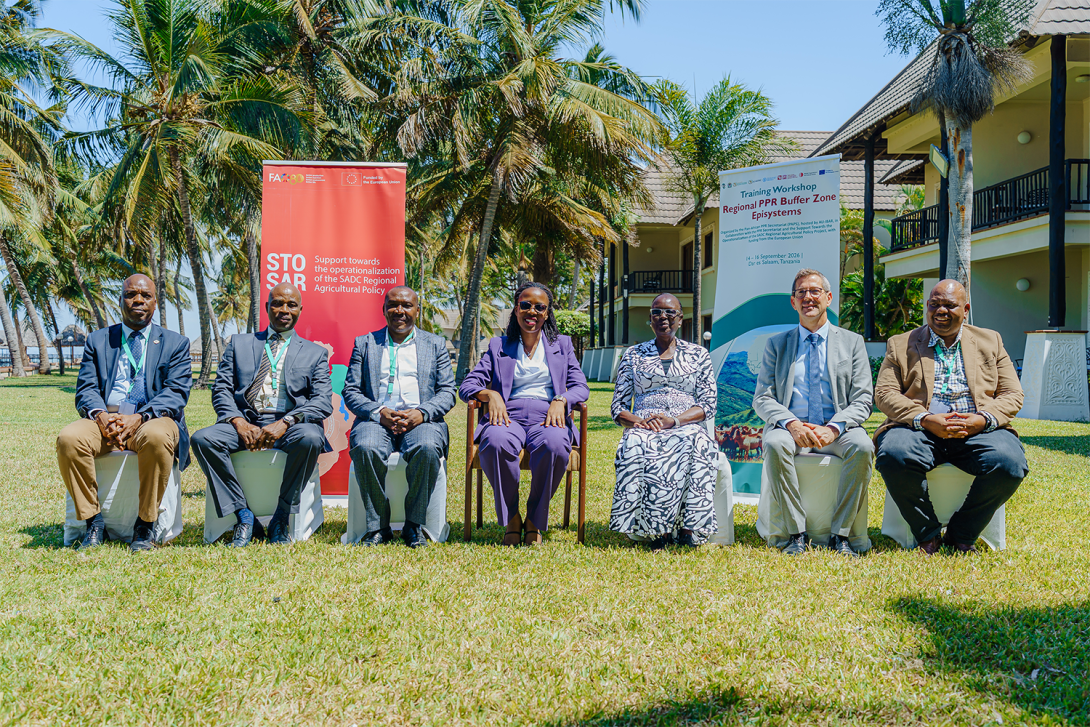
Dar es Salaam, United Republic of Tanzania | 14-16 September 2026Angola, the Democratic Republic of the Congo (DRC) and Tanzania agreed on priorities to strengthen vaccination, surveillance and cross-border cooperation against Peste des Petits Ruminants (PPR), informing revisions to the Integrated PPR Buffer Zone Episystem Roadmap 2026 to 2030. The priorities provide a practical basis for coordinating disease control across affected areas while protecting neighbouring countries and zones where PPR is absent.
The Regional PPR Buffer Episystems Workshop, jointly convened by the African Union Interafrican Bureau for Animal Resources (AU-IBAR), the Food and Agriculture Organization of the United Nations (FAO) and the Southern African Development Community (SADC), brought together veterinary authorities and technical experts from the three countries at the White Sands Resort and Conference Centre.
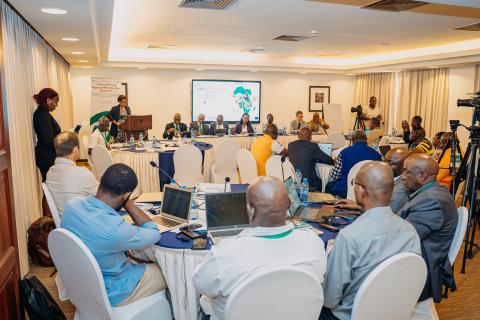
The meeting followed the SADC Joint Ministers’ decision in May 2026 approving the establishment of the PPR Buffer Zone and urging the three countries to sign a Trilateral Memorandum of Understanding, with coordination by the SADC Secretariat and AU-IBAR.
Participants reviewed the epidemiological situation, shared experience in vaccination and post-vaccination monitoring, and examined the movement of small ruminants across borders. These exchanges informed five priorities for the revised roadmap:
-
Increase PPR vaccination coverage to 80 per cent in DRC.
-
Improve seroconversion outcomes, as assessed through post-vaccination serological monitoring, in DRC and Tanzania.
-
Identify cross-border episystems and strengthen collaboration within them.
-
Prepare national PPR control programmes for endorsement in Tanzania, DRC and Angola.
-
Support Angola in identifying PPR-free zones and seeking their endorsement.
These priorities address both the reach and effectiveness of vaccination, while strengthening the evidence and coordination needed to guide national interventions. The 80 per cent vaccination coverage figure is a target for DRC, rather than a result already achieved.
The episystem approach is central to this work. It examines how animal populations, livestock movements, markets, production practices and other factors connect areas in which PPR persists or spreads. This enables countries to plan interventions around actual transmission risks, including those extending beyond national boundaries.
PPR causes substantial losses among sheep and goats, threatening household incomes, food and nutrition security, and trade. For smallholder and pastoral communities, protecting small ruminants also means protecting productive assets and the resources families depend on.
The buffer-zone approach therefore has a wider regional purpose: to reduce transmission in affected areas and help prevent the introduction of PPR into disease-free countries and zones. Its effectiveness depends on coordinated surveillance, vaccination, reliable laboratory diagnosis, timely information sharing and the management of risks associated with animal movements.
In opening remarks delivered on behalf of Dr Huyam Salih, Director of AU-IBAR, by Dr Samuel Muriuki, PPR Project Coordinator, AU-IBAR emphasised that no country can eliminate a transboundary disease through national action alone. The remarks called for the buffer zone to function as a coordinated system of prevention and response, supported by clear responsibilities, realistic timelines and measurable indicators.
At the closing ceremony, Hon. Ng’wasi Damas Kamani, Tanzania’s Deputy Minister of Livestock and Fisheries, urged participants to translate the knowledge, evidence and partnerships developed during the workshop into tangible action to protect small ruminants and safeguard livelihoods, particularly those of women and young people.
Dr Nyabenyi Tipo, FAO Representative in Tanzania, described the meeting as the beginning of more coordinated action, with practical steps towards PPR eradication, protection of livestock-dependent livelihoods, and the safeguarding of regional trade and market access.
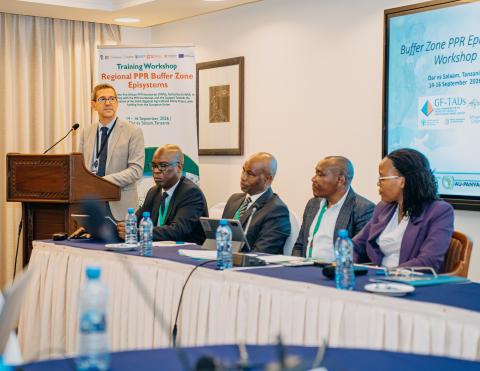
Olivier Louis, representing the European Union Delegation in Tanzania, emphasised that PPR control is both an animal health and a development issue. He highlighted the need for regional action, sustained investment and strong partnerships, underscoring the European Union’s support for stronger animal health systems.
Participants welcomed the draft Trilateral Memorandum of Understanding as a framework for harmonised surveillance, vaccination and risk management across the buffer zone. Tanzania is currently reviewing the agreement. Its signing date will be communicated once that review is concluded.
The immediate priorities are to complete the national reviews, implement the revised roadmap through coordinated national workplans, and strengthen information sharing and joint surveillance within the identified cross-border episystems. Progress is to be reported regularly through the SADC Secretariat and AU-IBAR coordination arrangements.
The Dar es Salaam workshop contributes to Africa’s wider PPR eradication effort by connecting national control programmes with a shared regional framework. The next measure of success will be implementation: reaching vaccination targets, demonstrating improved vaccination outcomes, strengthening surveillance and maintaining cooperation across borders.
By linking technical evidence, national responsibilities and regional coordination, Angola, DRC and Tanzania have defined a clearer path towards protecting small ruminants, safeguarding livelihoods and reducing the risk of PPR spread across Southern Africa.
Through the Pan-African PPR Secretariat, AU-IBAR reaffirmed its commitment to supporting Member States and Regional Economic Communities in translating continental priorities into coordinated action, working with SADC, FAO, WOAH, AU-PANVAC, the European Union and other partners.
The workshop was organised by the Pan-African PPR Secretariat (PAPS), hosted by AU-IBAR, with funding from the European Union.