

AU-IBAR and Gates Foundation Convene Final Meetings to Close Out Landmark Feed and Fodder Resilience Project
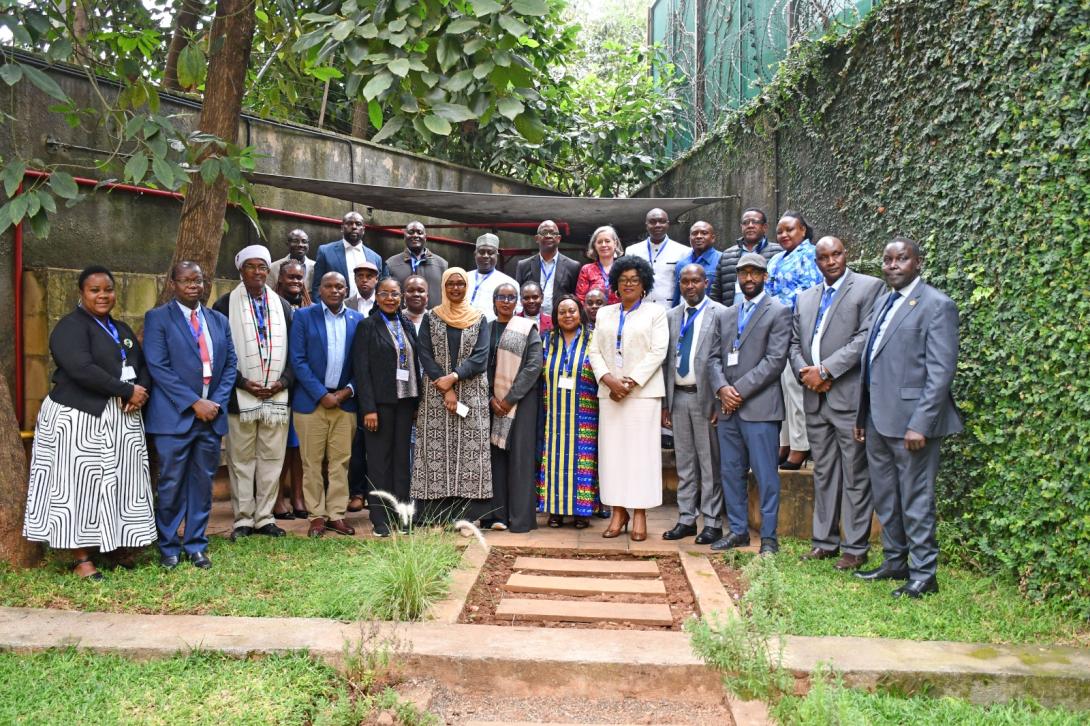
Nairobi, 29 June 2026 — The African Union-InterAfrican Bureau for Animal Resources (AU-IBAR) and the Gates Foundation today convene the Third and Final Technical and Steering Committee Meetings of the Resilient African Feed and Fodder Systems (RAFFS) Project. The sessions mark the culmination of a three-and-a-half-year collaboration to strengthen Africa's livestock sector against compounding global shocks. Held as hybrid meetings on 29th June 2026, they bring together project partners, technical experts, and senior decision-makers to review outcomes, distil lessons learned, and chart a path forward for sustainable feed and fodder systems across the continent.
Launched in December 2022, the RAFFS Project was designed as an emergency, evidence-driven intervention to understand and respond to the devastating impact of three converging global crises, COVID-19, climate change shocks, and the Russia-Ukraine conflict, on African feed and fodder systems and the production of animal-sourced foods. As food and nutrition security worsened across the continent, the project set out to harness short-term, evidence-based solutions to improve access to affordable, quality feed and fodder, a critical pillar of sustainable livestock production.
Over its lifetime, the project delivered results across four strategic areas. The first focused on establishing a knowledge and analytical ecosystem to inform evidence-based policy and investment decisions. The second supported viable business models, strategic partnerships, and catalytic interventions to attract enhanced investment for short-term feed and fodder solutions. The third worked to empower women to actively participate in and benefit from feed, fodder, and animal-sourced food supply chains, improving their food and nutrition security. The fourth drove reforms in policies, regulations, and institutions to foster a more sustainable and resilient feed and fodder industry across the continent.
In its first year, the project conducted a wide-ranging continental survey that drew responses from 42 AU Member States, complemented by in-depth assessments in six core project countries. This evidence base directly shaped the targeted interventions delivered in subsequent years, ensuring that solutions were grounded in the lived realities of African farmers, pastoralists, and agribusinesses.
As the project closes on 30th June 2026, today's meetings provide a vital platform to consolidate achievements, share knowledge with broader stakeholders, and ensure that the gains made in building resilient feed and fodder systems endure well beyond the project's lifetime. AU-IBAR remains committed to working with member states, regional bodies, and development partners to embed these solutions into long-term continental frameworks for food security and livestock development.