

AWFISHNET Expands Continental Reach with the Launch of its Cabo Verde Chapter
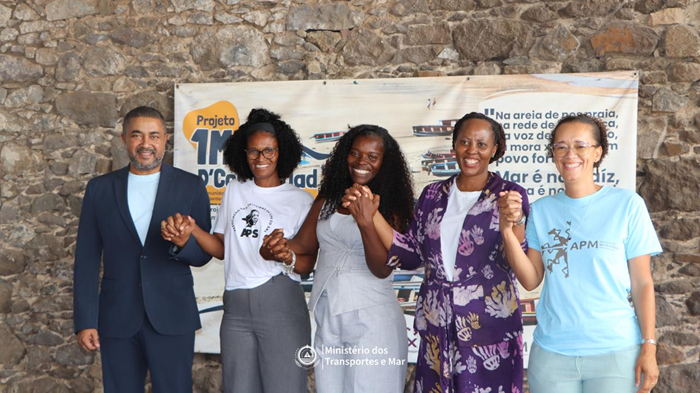
Mindelo, Cabo Verde, 10 July 2026
Women working across Cabo Verde’s fisheries value chain have gained a new platform through which they can organise, exchange knowledge, influence policy and expand their participation in national and continental markets.
The official launch of the Cabo Verde National Chapter of the African Women Fish Processors and Traders Network (AWFISHNET) represents more than the creation of another professional association. It establishes a structured national voice for women whose work sustains fish processing, distribution, marketing, household incomes and food security, but whose contribution has often remained insufficiently recognised in policies and investment decisions.
Women are central to Africa’s fisheries and aquaculture sector, particularly in post-harvest activities such as processing, distribution and trade. Yet many continue to face limited access to finance, market information, technology, training and decision-making structures. Their work is also frequently undervalued despite its contribution to livelihoods, nutrition and local economies.
The new national chapter is designed to help transform that reality by moving women from fragmented participation to collective leadership.
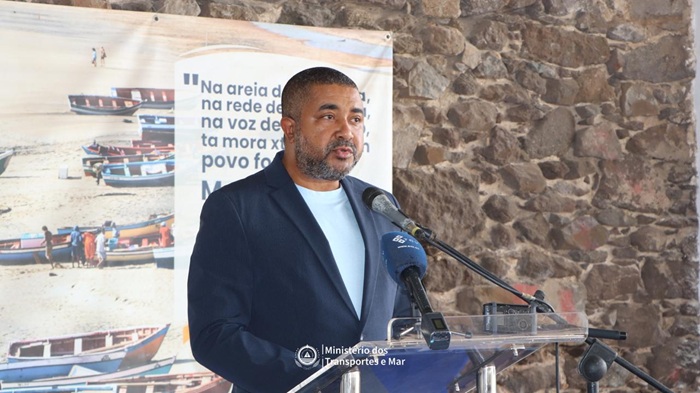
Speaking at the launch, H.E. João do Carmo, Cabo Verde’s Minister of Transport and Sea (picture below left), described the initiative as Cabo Verde’s entry into a wider continental movement built around solidarity, knowledge exchange and the defence of women’s rights in fisheries.
“From today, Cabo Verde joins a continental movement that promotes solidarity, knowledge sharing and the defence of women’s rights in fisheries, ensuring that women connected to the sea have an active voice in decision-making and environmental policies.” - João do Carmo, Minister of Transport and Sea, Cabo Verde
The Minister reaffirmed the Government’s commitment to creating more equitable opportunities for women and young people across fisheries and aquaculture. He stressed that gender inclusion is essential not only as a matter of fairness, but also for increasing productivity, reducing poverty, strengthening food and nutrition security, promoting sustainable fisheries management and improving the resilience of aquatic food systems to climate change.
 |
 |
From invisible labour to visible leadership
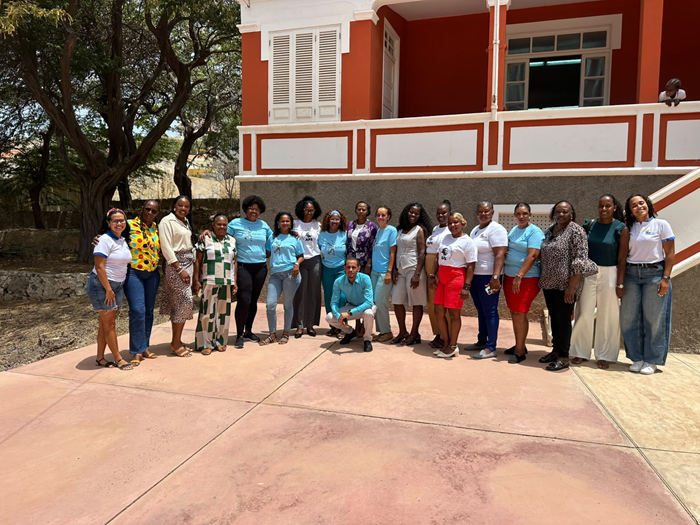
Across Cabo Verde, women are already active as fish traders, processors, vessel owners, maritime workers, managers and researchers. Their participation demonstrates that women are not positioned only at the margins of the blue economy; they are producers, entrepreneurs, employers, innovators and custodians of knowledge.
The establishment of the national chapter creates an opportunity to connect these different roles within one organised platform. Through the network, women will be better positioned to identify shared challenges, negotiate collectively, access capacity-development opportunities and contribute to national fisheries and environmental policies.
The platform can also help bridge the distance between policy and lived experience. Women working in landing sites, processing facilities, markets, and coastal communities possess practical knowledge of fish quality, consumer demand, post-harvest losses, market conditions, and environmental change. Bringing this knowledge into formal decision-making can produce policies that are more responsive, practical and inclusive.
A national platform with continental reach
AWFISHNET was established with support from the African Union–InterAfrican Bureau for Animal Resources, the African Union Development Agency–NEPAD and WorldFish following calls from women fish processors and traders for a continental mechanism through which they could collaborate and advocate with one voice.
Its objectives include promoting cooperation among women’s associations, sharing technologies and good practices, strengthening members’ capacities, advocating for supportive policies and attracting greater public and private investment into fish processing and marketing. The network also seeks to improve women’s participation in small and medium-sized enterprises and expand their access to intra-African fish trade opportunities.
The Cabo Verde chapter will therefore serve simultaneously as a national institution and a gateway to regional and continental engagement. It will connect the priorities of women in Cabo Verde to wider African discussions on fisheries governance, trade, food systems, gender equality and the sustainable blue economy.
This connection is particularly important as African countries seek to increase regional trade. Women processors and traders often confront similar challenges across borders, including inconsistent standards, inadequate cold storage, limited market intelligence, restricted access to credit and high transportation costs. Organised networks can help women exchange solutions, develop business partnerships and advocate for reforms that make regional markets more accessible.
Women in Cabo Verde are traders, processors, vessel owners, researchers and innovators. The new chapter connects these roles into one platform — linking lived experience at landing sites and markets to national policy, and Cabo Verde's priorities to continental fisheries governance and intra-African trade.
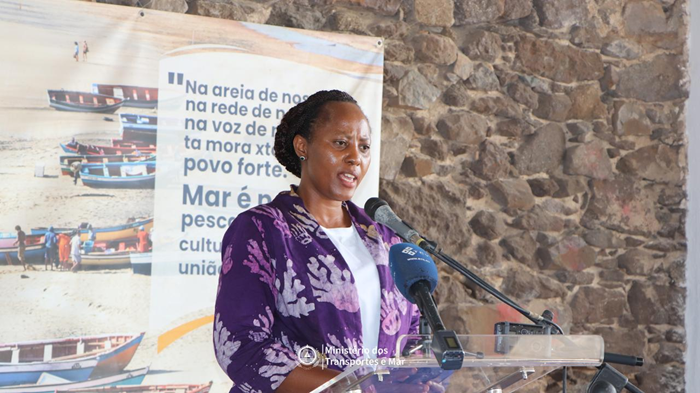
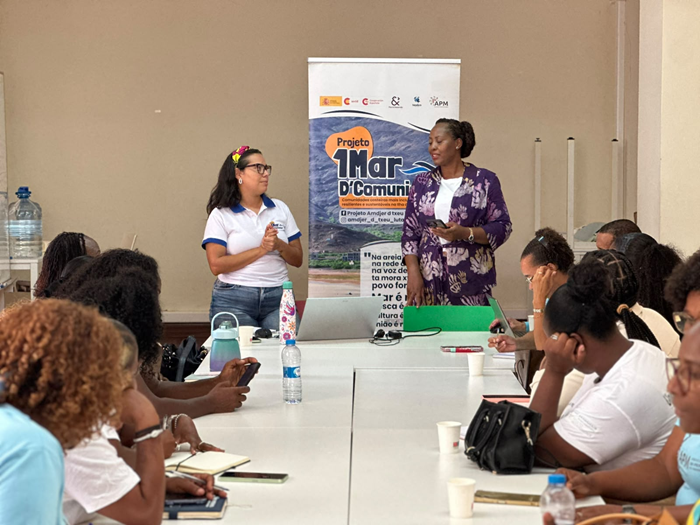
It is a challenge AWFISHNET President Lovin Kobusingye (picture below left) has placed at the centre of the continental agenda, reminding blue economy leaders that the women who catch, process and sell fish remain largely missing from conversations about Africa's growing blue economy. Chapter 45 is another answer to that absence.
 |
 |
Building the institution from the ground up
The national process is intended to produce the institutional foundations required for a sustainable network. These include the adoption of a constitution and internal regulations, the election of an inaugural executive committee and the development of a two-year action plan for legally and operationally establishing the chapter.
These steps are critical. The long-term value of the initiative will depend on whether the chapter becomes an active institution that regularly engages its members, develops partnerships, mobilises resources and demonstrates measurable improvements in women’s businesses and policy participation.
Potential priorities include strengthening access to finance, improving fish-processing technologies, reducing post-harvest losses, promoting food-safety standards, supporting digital market information systems and connecting women-owned enterprises to tourism, hospitality and export markets.
The chapter can also create space for mentorship between experienced women entrepreneurs and younger women entering the sector, ensuring that knowledge accumulated over generations is transferred, adapted and used to build new businesses.
An investment in the future of the blue economy
Cabo Verde’s identity, economy and food systems are deeply connected to the sea. Strengthening the position of women within this relationship is therefore not a standalone gender intervention. It is an investment in the country’s fisheries economy, coastal communities and sustainable development.
As Minister João do Carmo observed, the launch marks the beginning of what should become a durable and transformative partnership for African women who depend on the sea as a source of life, employment and hope.
The national AWFISHNET chapter now provides Cabo Verde with an institutional mechanism to turn that vision into action—connecting women, strengthening their collective influence and ensuring that the future of fisheries is shaped with them, rather than merely for them.