

In Entebbe, Eastern Africa Strengthens Coordination to Accelerate PPR Eradication and Improve Animal Health
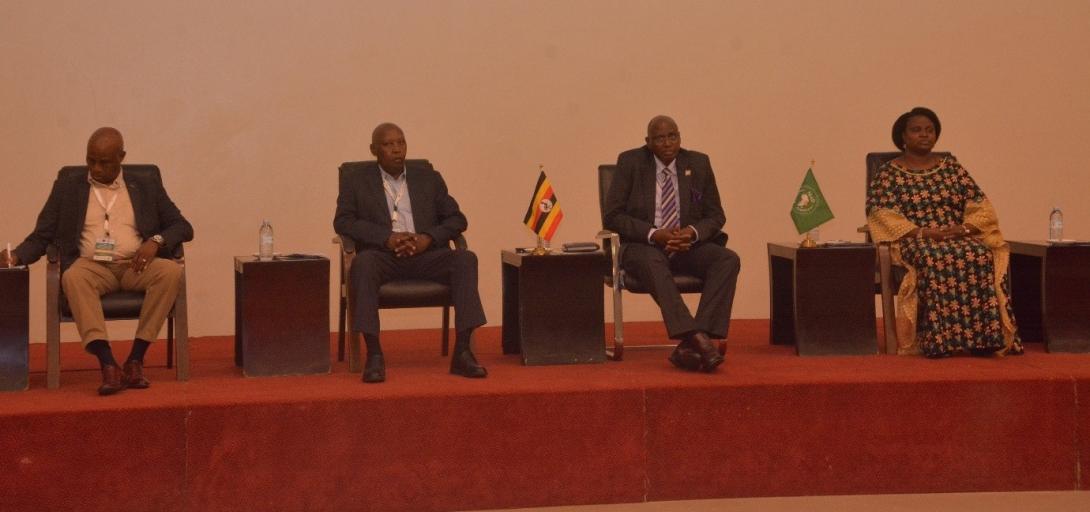
Entebbe, Uganda | 21–25 September 2026
Eastern African Member States and technical partners identified shared priorities to advance the eradication of peste des petits ruminants (PPR) and strengthen regional cooperation on animal health. Experts reviewed progress, shared their experiences and identified gaps to be addressed in the implementation of national and cross-border interventions.
Held back-to-back, the 12th Eastern African PPR Stakeholders’ Coordination Meeting and the 13th Eastern African Animal Health Network (EA-RAHN) Meeting connected PPR eradication priorities with broader needs for animal disease prevention and control in the region.
In his opening and closing remarks at the EA-RAHN meeting, Uganda’s Minister of State for Animal Industry stressed the importance of stronger coordination at national, regional and continental levels to address animal health challenges effectively. He reaffirmed the Government of Uganda’s commitment to PPR eradication and the prevention and control of other priority transboundary animal diseases, calling for sustained collective action, strong veterinary services and effective regional cooperation.
The PPR discussions focused on surveillance, laboratory diagnosis, epidemiological information sharing, livestock mobility and cross-border transmission. Resource mobilisation, stronger veterinary services and episystem approaches also featured prominently in the discussions. These approaches take into account the areas in which the disease circulates and interactions between herds beyond administrative boundaries.
The aim is to better align national interventions with risks shared across countries. Livestock movements connect production areas, markets and pastoral communities. They make regular cooperation between veterinary authorities essential, supported by reliable animal health information and coordinated response capacity.
For livestock keepers, more effective animal health systems can help reduce livestock losses, protect incomes and support food security. For veterinary services, better information sharing and stronger laboratory collaboration can facilitate early detection, risk assessment and the targeting of interventions. At the regional level, these capacities provide essential foundations for better preventing disease spread and supporting trade.
The EA-RAHN meeting broadened the discussion to other transboundary animal diseases and food safety. Discussions highlighted integrated surveillance, emergency preparedness, joint response, laboratory collaboration, and the use and dissemination of research findings.
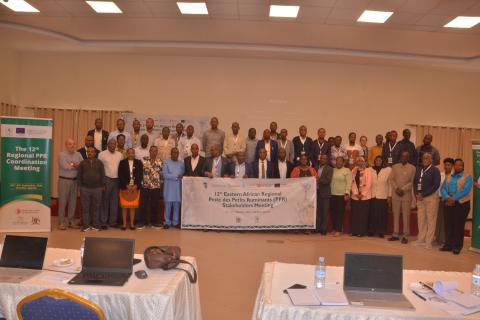
The meetings brought together Chief Veterinary Officers, PPR coordinators and focal points, epidemiologists and laboratory experts from IGAD and East African Community (EAC) Member States. They exchanged views with representatives of IGAD, AU-IBAR, the World Organisation for Animal Health (WOAH), FAO and GALVmed, as well as wildlife authorities and research institutions. This participation brought together those responsible for animal health policies and the technical networks responsible for their implementation.
The priorities identified in Entebbe contribute to continental efforts to eradicate PPR by strengthening links between national systems, regional coordination mechanisms and technical partners. Their impact will now depend on translating them into actions that are monitored and adequately resourced.
The next step is to establish an operational follow-up plan specifying responsibilities, timelines and resource requirements. Stronger cross-border information sharing, joint surveillance and regular progress reviews should form its main components.
This transition from dialogue to implementation will give practical effect to the Entebbe discussions: better anticipating threats, coordinating responses and sustainably protecting the livelihoods of livestock-dependent communities.
The meetings were organised by the Pan-African PPR Secretariat (PAPS), hosted by AU-IBAR, with funding from the European Union.