

Kenya Validated National Strategic Plan for PPR Control and Eradication, Reinforcing Continental Progress Towards PPR eradication by 2030
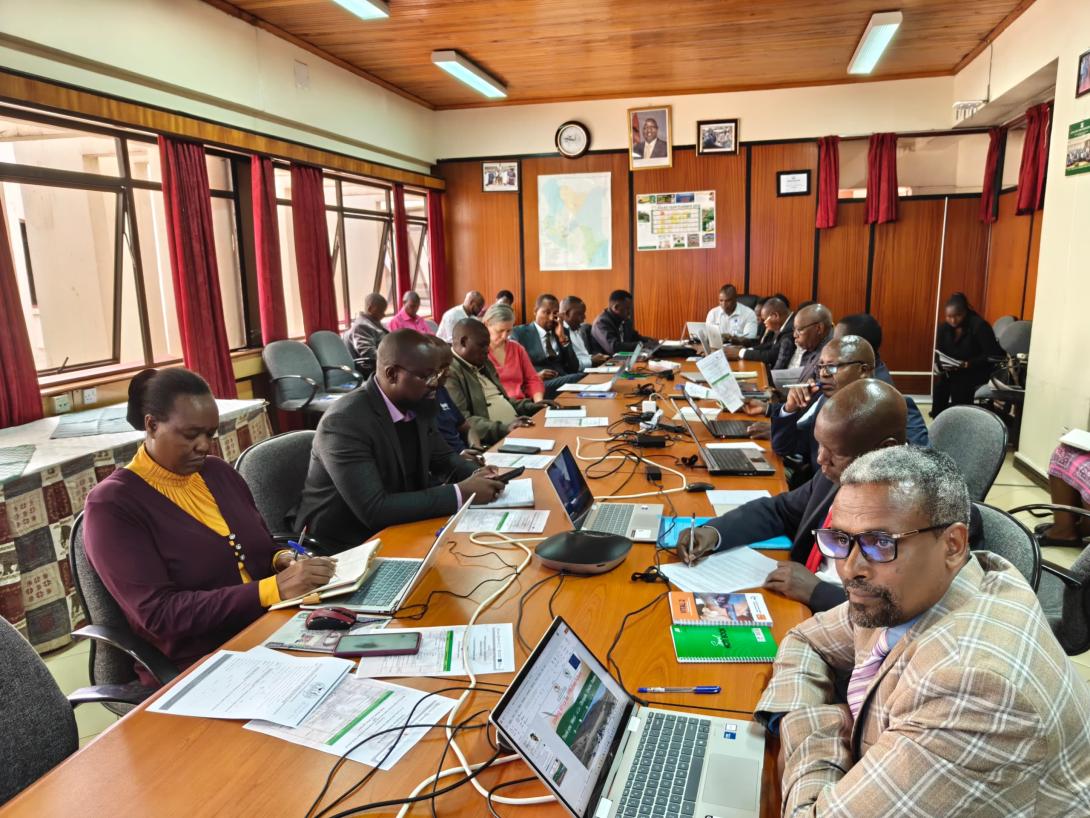
Kenya has officially validated its revised National Strategic Plan (NSP) for the control and eradication of Peste des Petits Ruminants (PPR), marking a significant milestone in strengthening animal health systems, safeguarding livelihoods, and accelerating progress towards Africa’s goal of a PPR-free continent by 2030.
The revised NSP was validated on 9 June 2026 in Nairobi by the Directorate of Veterinary Services by Chief Veterinary Officer (CVO) representative. The National Review, Updating and Validation Workshop held in Nairobi, Kenya, from 8-9 June 2026.
The strategy now serves as Kenya’s roadmap for the prevention, control, and eventual eradication of PPR, guiding investments in five technical areas Laboratory Diagnosis, Surveillance, Prevention and control, Legal framework and Stakeholder involvement the plan is fully aligned with global, continental, and regional PPR eradication frameworks.
The validation of the NSP demonstrates the Government of Kenya’s continued commitment to protecting livestock-dependent communities, strengthening food security, enhancing the resilience of livestock production systems, and reducing the socio-economic impact of one of the most devastating diseases affecting small ruminants across Africa.

The review and validation process were supported through the European Union-funded Pan-African Programme for the Progressive Control and Eradication of PPR, implemented through the Pan-African PPR Secretariat (PAPS), hosted by the African Union Interafrican Bureau for Animal Resources (AU-IBAR), in collaboration with the Intergovernmental Authority on Development Centre for Pastoral Areas and Livestock Development (IGAD-ICPALD) and the Government of Kenya’s Directorate of Veterinary Services.
The process brought together representatives from AU-IBAR, IGAD-ICPALD, the Food and Agriculture Organization of the United Nations (FAO), VSF Germany, VSF Suisse, the International Livestock Research Institute (ILRI), the Kenya Agricultural and Livestock Research Organization (KALRO), the University of Nairobi, the Kenya Wildlife Service (KWS), and other key stakeholders, who reached consensus on the final document and reaffirmed their commitment to supporting its implementation.
The validation of Kenya’s NSP represents an important contribution to continental efforts to eradicate PPR and reinforces Africa’s collective commitment to achieving the PPR2030 goal.