

Lessons from Somone: Shaping Regional Marine Protected Area Governance in Africa
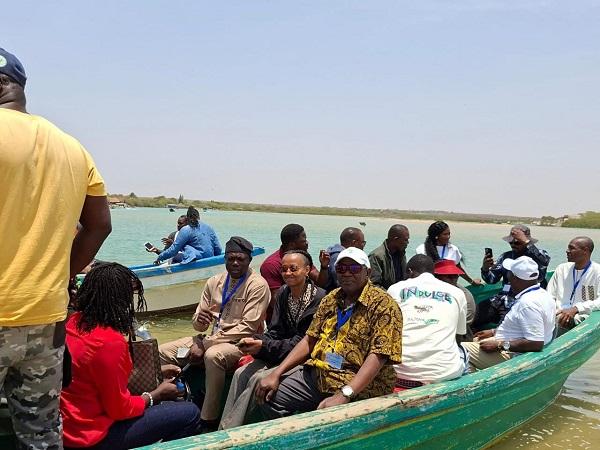
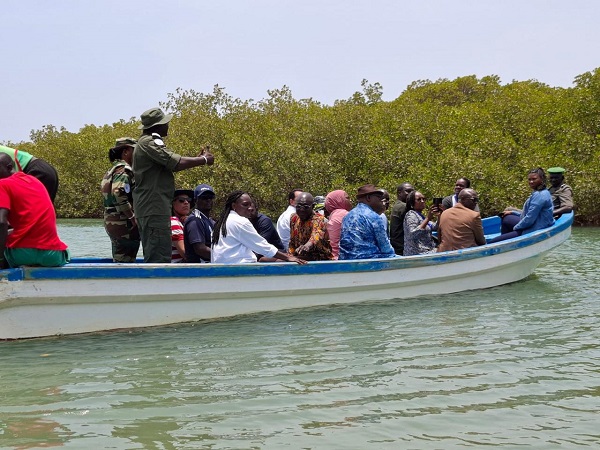
Standing at the edge of the Somone lagoon in Senegal, participants of the regional Marine Protected Areas (MPA) training witnessed first-hand what effective conservation looks like in practice—thriving mangroves, rich birdlife, and a delicate balance between community livelihoods and ecosystem protection. The practical orientation tour of the Somone Marine Protected Area offered more than a field visit; it grounded delegates in the realities of governance, demonstrating how inclusive management systems can transform MPAs into living, productive systems rather than static conservation zones.
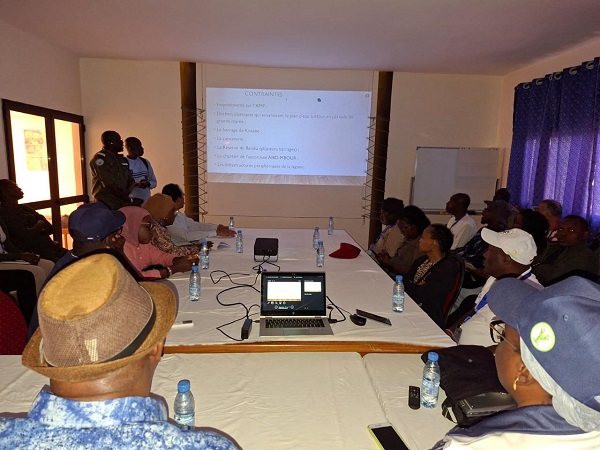
This experience formed part of the three-day regional training workshop held in Dakar from 21st to 23rd April 2026, which convened experts from Member States of the Sub-Regional Fisheries Commission (SRFC), alongside partners including the African Union (AU-IBAR), FAO, and the Swedish International Development Cooperation Agency (Sida). The training focused on strengthening regional capacity to implement and govern MPAs, positioning them as strategic tools for sustainable fisheries, biodiversity conservation, and the development of the blue economy.
MPAs as a Strategic Imperative for Africa
Across Africa, marine ecosystems are under increasing pressure from overfishing, climate change, and environmental degradation. MPAs have emerged as a critical response, protecting biodiversity while sustaining fisheries and coastal livelihoods. Their significance aligns directly with continental priorities under the Africa Blue Economy Strategy and global commitments such as the 30×30 target under the Kunming-Montreal Global Biodiversity Framework.
Colonel Momar Sow, Director of Senegal’s Community Marine Protected Areas, underscored this urgency:
“Marine protected areas are no longer an option, but an absolute necessity. Creating a protected area is a first step; managing it in an inclusive, effective and sustainable way is far more complex.”
He further emphasised that MPAs must evolve beyond “parks on paper” to become “engines of blue growth,” capable of delivering ecological, economic, and social value.
Governance at the Core of MPA Effectiveness
A central theme of the workshop was governance, recognising that the success of MPAs depends not only on ecological design but on institutional coordination, stakeholder inclusion, and sustainable financing.
In his opening remarks, on behalf of the AU-IBAR Director, Dr Mohamed Seisay highlighted the continental dimension of this challenge:
“Strengthening governance systems for Marine Protected Areas is essential to conserving Africa’s aquatic biodiversity while enabling sustainable use. Through regional collaboration and knowledge exchange, we can ensure that MPAs contribute meaningfully to livelihoods, food security, and resilient ecosystems.”
The workshop emphasised that governance must integrate multiple actors, from governments and regional bodies to local communities and the private sector, ensuring that conservation efforts are both inclusive and adaptive.
 |
 |
 |
Bridging Policy, Practice, and Regional Cooperation
Participants engaged in a structured agenda that combined technical sessions, policy dialogue, and practical learning. Key areas of focus included:
- Sustainable fisheries management within MPAs
- Conservation of aquatic biodiversity and ecosystem services
- Governance models and institutional frameworks
- Community participation and co-management approaches
- Financing mechanisms for long-term sustainability
- Regional policy harmonisation and transboundary collaboration
The presence of diverse institutions reinforced the multi-level nature of MPA governance. Representatives from AU-IBAR, FAO, Sida, national governments, and regional organisations contributed to a shared learning environment aimed at bridging policy frameworks with implementation realities.
A Sida representative, underscored the importance of long-term investment and partnership:
“Supporting Marine Protected Areas is not just about conservation; it is about investing in systems that sustain communities, economies, and ecosystems together. Effective governance ensures that these investments deliver a lasting impact.”
Similarly, FAO highlighted persistent challenges in planning and financial sustainability, noting that inclusive management requires both coordination and adequate resources.
The Somone Model: A Living Example of Community-Based Governance
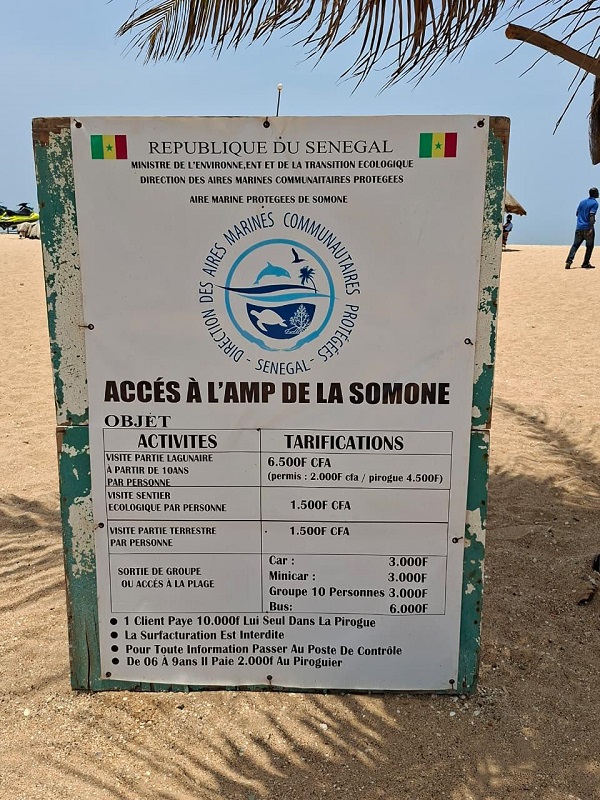
The Somone Marine Protected Area stands as a powerful example of what effective governance can achieve. Established with strong community involvement, the site integrates traditional knowledge with formal management systems, ensuring local ownership and long-term sustainability.
Delegates learned how Somone’s governance model balances conservation with livelihoods—supporting artisanal fisheries while protecting critical habitats such as mangroves and breeding grounds. The site also illustrates how MPAs can serve as platforms for education, ecotourism, and biodiversity monitoring.
Importantly, Somone reflects a broader lesson: that conservation success depends on aligning ecological goals with socio-economic realities.
Towards a Coherent Regional Approach
A recurring message throughout the workshop was that “the sea has no borders.” Marine ecosystems are inherently transboundary, requiring coordinated regional action to ensure effective protection and sustainable use.
Senegal’s ongoing efforts to validate its National Strategy on Marine Protected Areas (2026–2030), including ambitions for high seas and transboundary MPAs, signal a forward-looking approach aligned with continental and global commitments.
As Colonel Sow noted:
“For our African nations, the sea is not just a body of water—it is the lung of our economy, the guarantor of our food systems, and a pillar of our cultural identity.”
Advancing the AU-IBAR Mandate on Biodiversity Conservation
This regional training directly contributes to AU-IBAR's mandate to promote the sustainable development and utilisation of Africa’s aquatic resources. By strengthening governance systems, enhancing technical capacity, and fostering regional collaboration, the initiative advances efforts to conserve aquatic biodiversity while supporting economic development.
The workshop reaffirmed that MPAs are central to achieving broader objectives of food security, climate resilience, and inclusive growth under Agenda 2063.
From Learning to Action
As participants concluded the training, the lessons from Somone and Dakar converged into a clear message: the future of Africa’s marine resources depends on how effectively MPAs are governed.
The challenge now lies in translating knowledge into action—strengthening institutions, mobilising resources, and ensuring that MPAs deliver tangible benefits for both people and nature.
In this context, regional cooperation, sustained investment, and inclusive governance will determine whether Marine Protected Areas truly become the engines of blue growth that Africa envisions.