

Lusophone African Countries Strengthen ARIS Capacities to Enhance Animal Disease Surveillance and Support the PPR2030 Goal
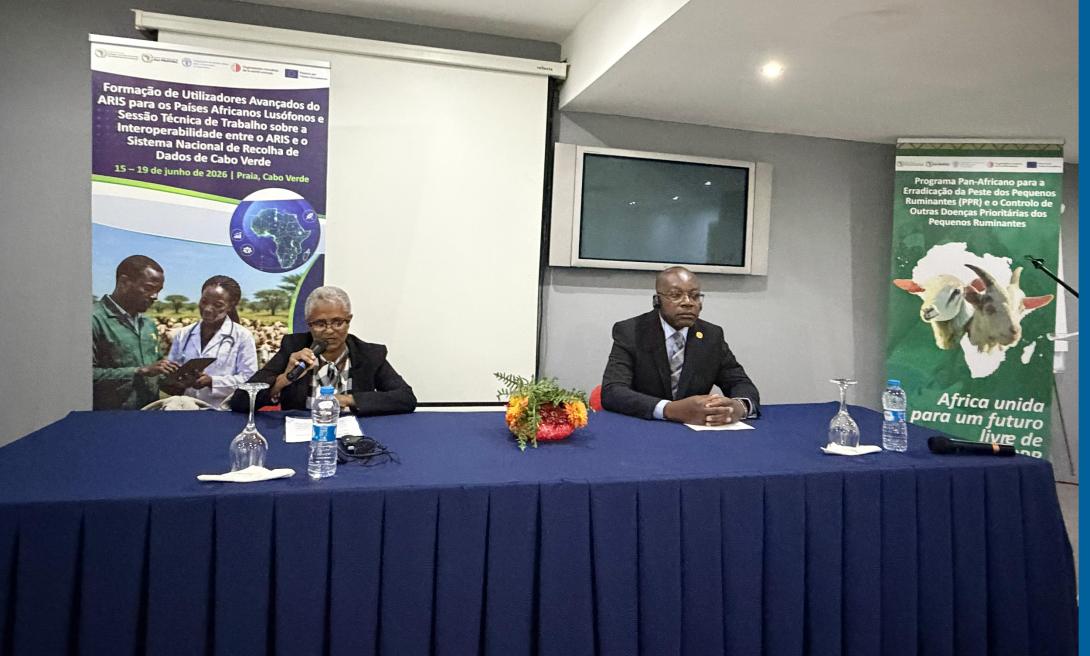
From 15 to 19 June 2026, animal health information system specialists and animal health officials from Lusophone African countries gathered in Praia, Cabo Verde, for the Advanced ARIS End-User Training for Lusophone African Countries. The training was organized by the Pan-African Secretariat for the Eradication of Peste des Petits Ruminants (PAPS), hosted by AU-IBAR and funded by the European Union.
The opening ceremony was chaired by the Director of Veterinary Services of Cabo Verde, in the presence of the Representative of the Director of AU-IBAR.
Throughout the week, participants deepened their technical knowledge, shared experiences, discussed challenges encountered in their respective national contexts, conducted a field visit to apply the knowledge acquired in practice, and identified practical solutions to improve the quality and use of animal health data.
The training strengthened participants' capacities in the advanced use of the Animal Resources Information System (ARIS), particularly in the collection, validation, management, analysis, and reporting of animal resources data, with a special focus on animal health.

Speaking during the opening session, the Representative of the Director of AU-IBAR emphasized that reliable, harmonized, and effectively utilized data are essential for strengthening animal disease surveillance systems and accelerating the eradication of Peste des Petits Ruminants (PPR) across Africa.
He stressed that ARIS is far more than a data collection tool; it is a strategic governance and decision-support instrument that enables veterinary services to transform data into actionable decisions, guide vaccination campaigns, enhance epidemiological surveillance, and strengthen responses to transboundary animal diseases.Promoting Interoperability for Evidence-Based Decision-Making
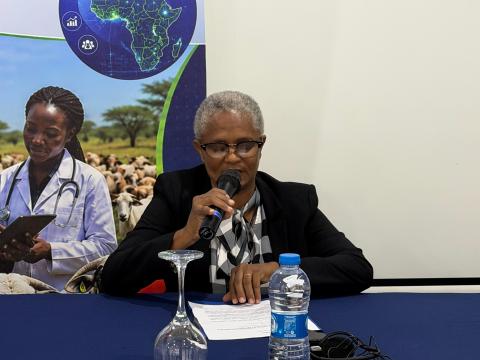
In her opening remarks, the Director of Veterinary Services of Cabo Verde highlighted the importance of integrating information systems to improve animal health governance. She noted that interoperability between ARIS and national data collection systems represents a strategic opportunity to improve data quality, optimize information flows, and strengthen evidence-based decision-making in animal health.
One of the key messages emerging from the training was that data collection alone is not sufficient. Data must be analyzed, interpreted, and transformed into actionable information that enables veterinary services to better prevent, detect, and respond to animal health threats.
Technical discussions also explored practical solutions to strengthen interoperability between ARIS and national systems, ensuring better information sharing and more effective animal disease surveillance by transforming data into action.
Participants reaffirmed their commitment to strengthening the use of ARIS in their respective countries to improve animal health information management, support evidence-based decision-making, and reinforce national disease surveillance systems.
The next phase of this initiative will focus on extending support to countries that have not yet benefited from the regional training programmes. This will ensure more inclusive continental coverage, strengthen national capacities in animal health surveillance and data management, and accelerate collective efforts toward the eradication of Peste des Petits Ruminants (PPR) in Africa by 2030, in line with the continental PPR2030 goal.