

From the Margins to the Mainstream: How Kenya Is Reorganising Its Feed and Fodder Sector
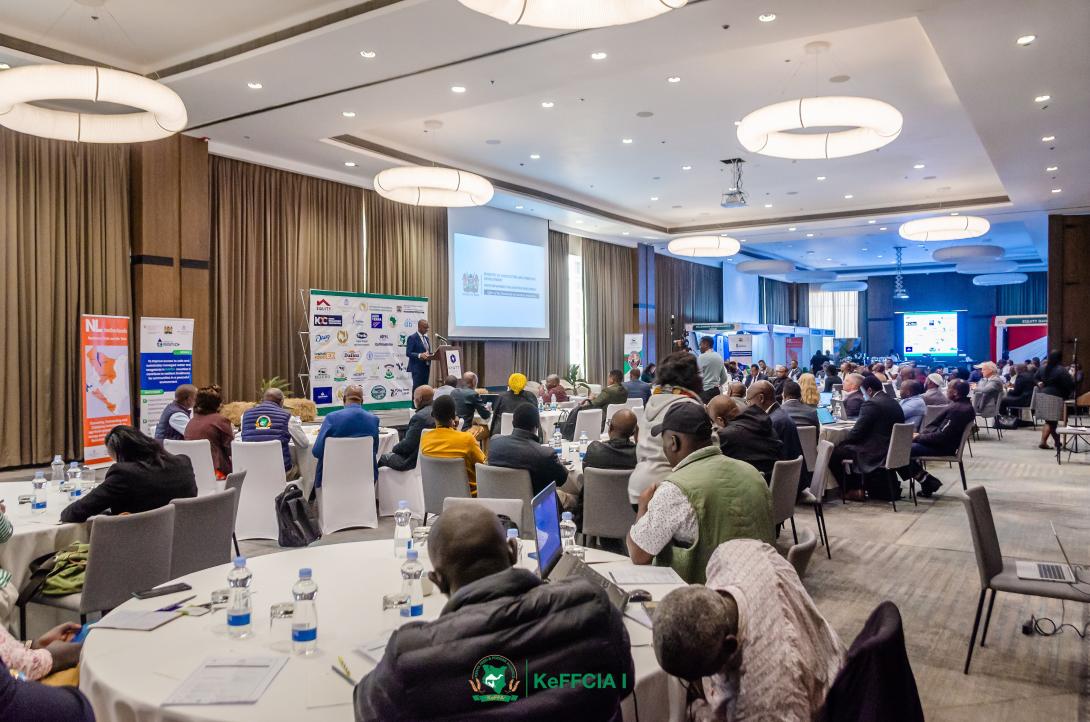
Kenya is turning feed and fodder from an overlooked challenge into a strategic opportunity. As a pilot country under the Resilient African Feed and Fodder Systems (RAFFS) Project, led by AU‑IBAR, Kenya is demonstrating how organising the feed and fodder sector can transform livestock productivity and resilience. Kenya RAFFS Project Focal Point, Mr. Newton Nyaga, has highlighted how the project has moved feed and fodder “from the margins of livestock production to a more organised, evidence‑based and investment‑oriented industry.”
One major achievement has been the creation and registration of a national Feed and Fodder Multi‑Stakeholder Platform (MSP) called Kenya Feed and Fodder Alliance (KEFFA). This platform brings together government agencies, private sector actors, researchers, farmers and development partners, enabling coordination, knowledge sharing and joint action across the feed industry. In parallel, the project has supported policy and regulatory reforms, contributing to discussions on feed regulations and the development of a national feed and fodder policy that can create a more supportive environment for investment and sustainable growth.
RAFFS has also helped to catalyse investment in Kenya’s feed and fodder sector. By developing investment profiles and identifying viable business models, the project is attracting private‑sector participation and financing in feed production, warehousing, storage and distribution. At the same time, RAFFS is strengthening resilience to drought and climate shocks. Designed in response to recurrent severe droughts, climate change impacts, COVID‑19 disruptions and global supply‑chain shocks, the project promoted sustainable feed production and preparedness measures to reduce livestock losses in future crises.
Women’s empowerment has been a distinctive feature of the Kenya RAFFS Project experience. Through collaboration with the African Women in Animal Resources Farming and Agribusiness Network (AWARFA‑Kenya), the project has supported greater participation of women in feed and fodder businesses and in decision‑making processes. Kenyan women are now more visibly engaged in animal feed enterprises, contributing to inclusive growth in the livestock value chain. In addition, RAFFS has supported the design of Feed and Fodder Early Warning Systems (FFEWS) and improved data‑management frameworks, enabling Kenya to anticipate feed shortages and respond in a more timely and effective manner.
Looking ahead, Kenya’s priorities in the feed industry are clear. The country aims to further commercialise the sector by scaling up production, enhancing mechanisation and expanding the use of technology, especially irrigation. Building robust fodder warehousing systems for conservation, storage and formal marketing is essential, as is establishing national strategic fodder reserves to cushion livestock keepers during shocks. Completing the national early‑warning and data system will provide the information needed for proactive decision‑making and disaster prevention. Finally, Kenya seeks to mobilise stakeholders, partners and donors to build on RAFFS Project achievements, and to strengthen the policy environment through a National Feed and Fodder Policy, a code of conduct for fodder handlers and comprehensive national feed regulations.