

From Planning to Field Impact Shaping the Next Phase of PPR Eradication in Africa
How can the next phase of PPR eradication turn lessons learned, political commitment and investment into measurable results in the field while building a financing model that can be sustained over time?
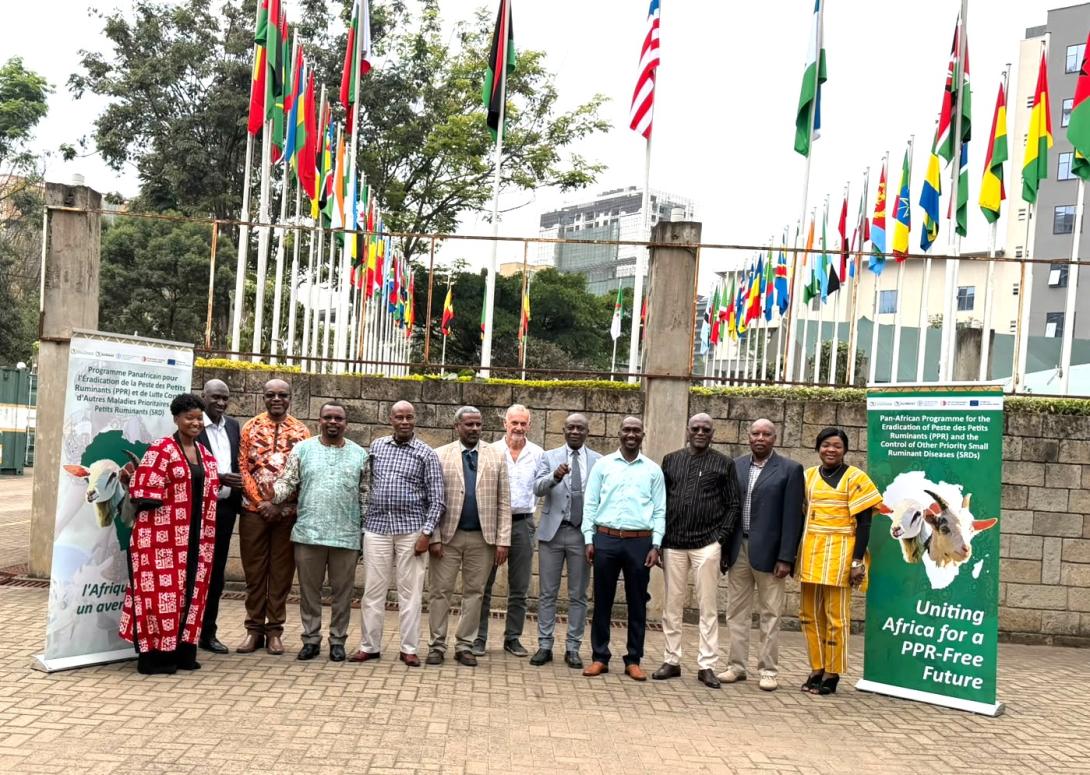
This question is at the heart of the PPR2 Technical Working Session, convened by the African Union – Inter-African Bureau for Animal Resources (AU-IBAR) through the Pan-African PPR Secretariat (PAPS) on 9–10 September 2026 in Nairobi, Kenya.
The session is advancing the formulation of PPR2, building on the foundations and lessons of PPR1 while strengthening the focus on field impact, Member State ownership, strategic geographical prioritization, sustainable financing and measurable progress towards PPR eradication.
In his strategic guidance, the Director of AU-IBAR emphasized that the next phase must build on lessons from the ongoing implementation of PPR1 and place tangible results in the field at the centre of programme design.
This means carefully prioritizing interventions and geographical areas where investments can generate meaningful progress towards key eradication milestones, while strengthening Member State ownership and responsibility for implementation.
The Director also highlighted sustainability as a critical consideration: external support remains important, but Africa must develop a viable and sustainable model capable of supporting eradication efforts beyond individual donor-funded programmes.
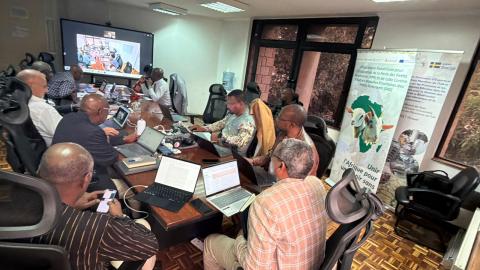
The European Union representative reinforced this message, stressing that partner financing alone cannot meet the full cost of disease eradication.
A credible PPR2 therefore requires more than a technically sound programme. It requires a clear understanding of country commitments, implementation costs and financing gaps, together with a broader financing approach that combines domestic resources, EU and partner support, private-sector participation, innovative financing and blended-finance mechanisms.
The message was clear: even the strongest eradication plan cannot deliver without adequate and sustainable financing.
One framework. Shared responsibility. Coordinated investment. Financing must also be matched by alignment.
National PPR strategies must connect with Regional Economic Community priorities, which in turn must align with continental and global strategies. Countries, regional institutions, continental bodies and partners need to work from a coherent framework with clear priorities, tools, responsibilities and financing pathways.
The discussion therefore signals an important transition: From PPR1 lessons → to a stronger PPR2.
The ambition is clear. The next step is to connect strategy, financing and field delivery.
Organized by the Pan-African PPR Secretariat, hosted by AU-IBAR, in collaboration with the PPR Secretariat with funding from the European Union.”