

PPR can become Africa's next continental animal health success
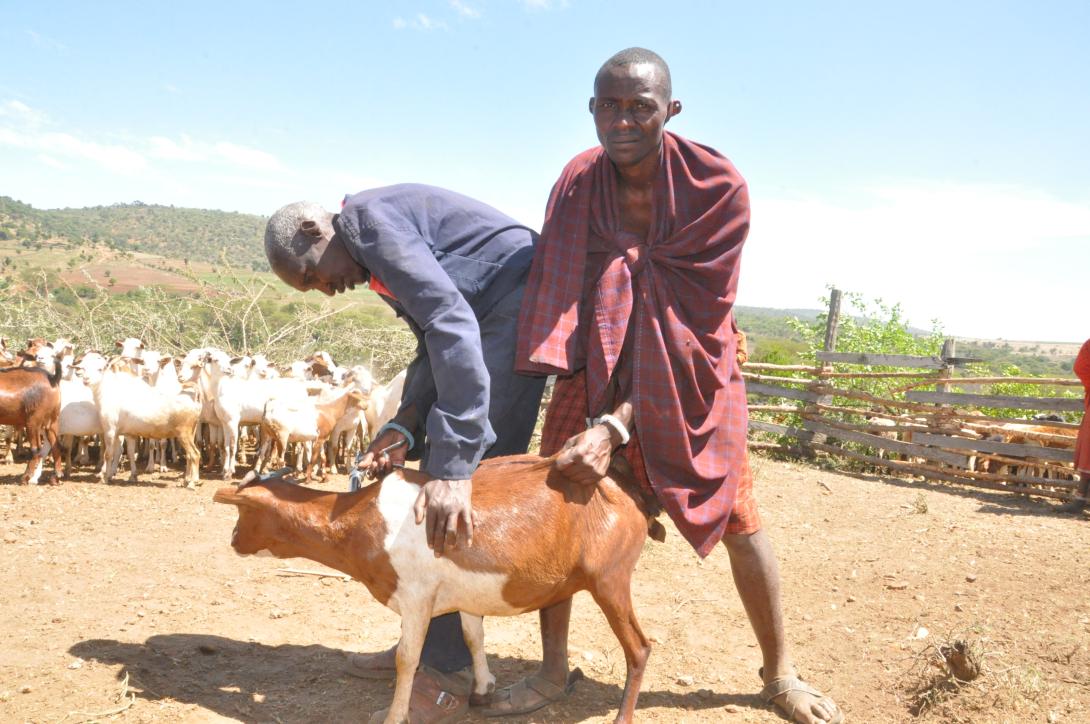
Africa has already shown that ambitious health objectives can be achieved.
The eradication of rinderpest was a historic success of political leadership, cross-border coordination, and technical rigour. Peste des petits ruminants (PPR) is the next milestone.
Unlike human vaccination where individual records track coverage, PPR requires population-level immunity assessment through sero-surveillance and outbreak monitoring.
👉 The decision point is clear: commit to explicit targets for effective coverage.
RECs and Member States must establish/ already committed for minimum effective coverage targets of 70–80% in their national PPR control plans, with annual verification through post-vaccination sero-monitoring (FAO and WOAH, Global Strategy for the Control and Eradication of PPR, 2015).
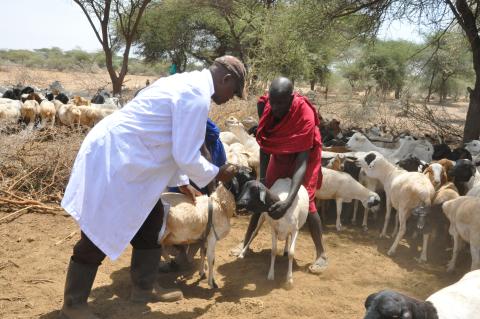
Why is this strategic?
PPR immunization is not only for disease control. It is a direct investment in:
-
Food security and rural livelihoods: PPR is estimated to cause USD 1,450-2,100 million in losses every year, with almost half of the losses occurring in Africa through mortality, reduced production and control costs.
-
Climate-resilient livestock systems: Protecting sheep and goats safeguards fast-reproducing, drought-tolerant assets that underpin resilience in drylands; in pastoral settings, small ruminants can supply a major share of household protein, e.g., ~55% of protein needs in one documented pastoral context.
-
Trade competitiveness under Sanitary and Phytosanitary Measures (SPS) and the African Continental Free Trade Area (AfCFTA) : Progress toward PPR-free status strengthens SPS compliance and positions countries to capture AfCFTA opportunities; AfCFTA is projected to boost the value of Africa’s cross-border trade by ~USD 275.7 billion by 2045, and to increase Africa’s income by ~USD 450 billion by 2035- benefits that require credible sanitary status for livestock value chains
-
Continental commitments under Agenda 2063 and the Livestock Development Strategy for Africa (LiDeSA): Accelerates livestock transformation targets through productivity, resilience and market integration.
-
Health sovereignty for Africa: Shifts from crisis response to predictable prevention, strengthening veterinary services and quality assurance systems.
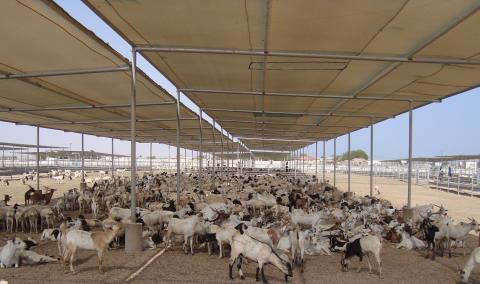
Three strategic decisions will determine success:
-
Make immunization measurable and auditable (animals effectively covered, not just doses delivered), with standardized reporting frameworks across RECs
-
Secure vaccine confidence building on AU-PANVAC's vaccine quality control mandate
-
Synchronize regional action through REC-level coordination mechanisms and harmonized vaccination calendars (buffer zones, migration corridors, aligned calendars, and accountability)
📌 The real scale-up is moving from campaigns to an immunization system.
👉 Are we ready to steer PPR eradication as a continental public good, with clear targets for effective coverage and transparency on results, to make it Africa’s second historic animal health success?
👉 Are we ready to steer PPR eradication as a continental public good with clear targets for effective vaccination coverage and transparent reporting of results and deliver Africa’s second historic animal health success by also securing the key enabling conditions: sustainable financing beyond donor-funded projects, full integration into national budget and investment plans, and smart joint use of the cold-chain infrastructure to strengthen both animal health and public health systems?