

Strengthening the Evidence-to-Policy Interface for Africa's Fisheries and Aquaculture
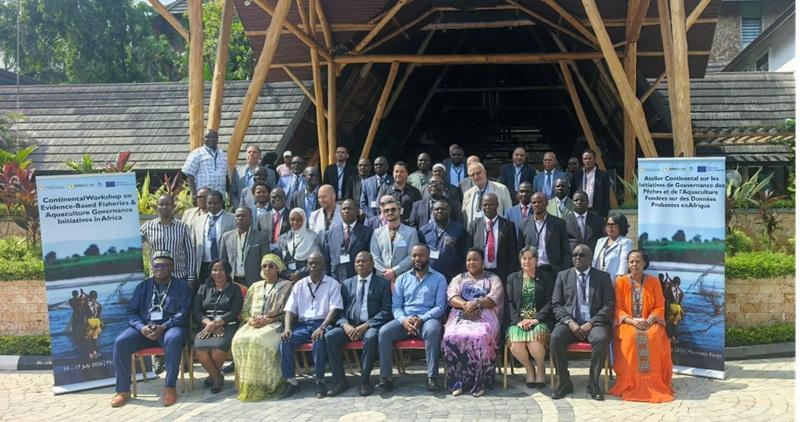
Sound policy needs sound evidence. That conviction brought delegates from African Union (AU) Member States, Regional Economic Communities, Regional Fisheries Bodies, Centres of Excellence and development partners to Mombasa, Kenya, from 14 to 17 July 2026 for the Continental Workshop on Evidence-Based Fisheries and Aquaculture Governance Initiatives in Africa, held under the theme “Strengthening Data, Valuation and Policy Alignment under the FishGov2 Programme”. The workshop was organised by the African Union Inter-African Bureau for Animal Resources (AU-IBAR), with the support of the European Union and the African Union Development Agency (AUDA-NEPAD).
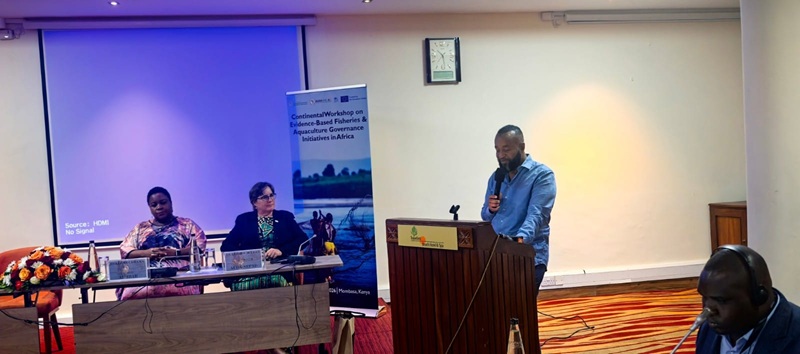
Officially opening the workshop, Hon. Hassan Ali Joho, EGH, Cabinet Secretary for Mining, Blue Economy and Maritime Affairs of the Republic of Kenya, underscored the stakes: “As Africa seeks to navigate the challenges facing our Blue Economy — most notably climate change and Illegal, Unreported and Unregulated (IUU) fishing — our success hinges on evidence-based decision-making and harmonised governance frameworks.” He urged delegates to deliberate “with a sense of urgency and a spirit of Pan-African solidarity”, affirming that Kenya remains a steadfast partner to the African Union in ensuring that Africa's aquatic resources are managed sustainably for the benefit of current and future generations.
 |
 |
Delivering the opening remarks on behalf of the Director of AU-IBAR, Hellen Guebama reminded delegates why the gathering matters: “Strengthening this evidence-to-policy interface is not simply a technical exercise; it is a governance imperative.” She highlighted the achievements of the FishGov2 Programme, including strengthened continental policy monitoring through the Biennial Status Reports on the Policy Framework and Reform Strategy (PFRS), support to the operationalisation of the African Fisheries Reform Mechanism (AFRM), and new knowledge generated on fish stock assessments, aquatic ecosystem management and fisheries valuation.
Among these achievements, she spotlighted AFAData — the African Fisheries and Aquaculture Database — as “more than a database… a continental public good” that provides a common framework for harmonising fisheries and aquaculture data, improving reporting and strengthening transparency. Looking ahead, the ambition is to scale up AFAData across all AU Member States, strengthen national ownership and progressively integrate the platform into the Comprehensive Africa Agriculture Development Programme (CAADP) Biennial Review reporting process.
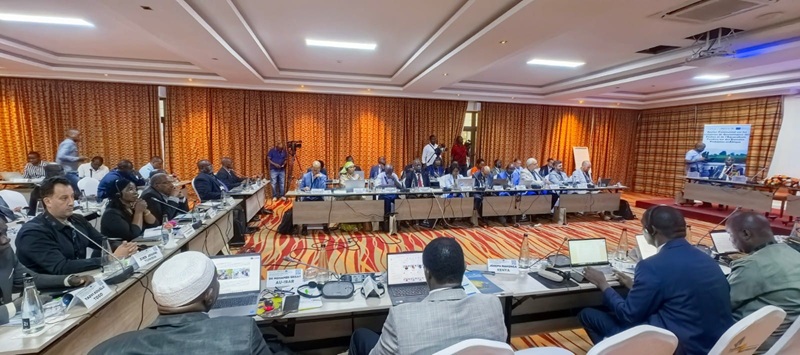
“This workshop is not simply another conference; it is a working platform,” she told delegates. Over four days, participants are reviewing progress, sharing experiences and identifying concrete actions to ensure that the tools and knowledge developed under FishGov2 are institutionalised, sustained and fully owned by Member States. The measure of success, she noted, will be “not the number of reports produced or tools developed, but the extent to which these initiatives continue to inform policies, guide investments and strengthen fisheries and aquaculture governance across Africa.”
At the national level, strong institutional partnerships will also be essential for translating continental commitments into practical action. The Associação Peixeiras do Mindelo, the leading local women’s association, will chair the National Chapter, while the Mar de Comunidades project will continue supporting the national associations, building on its engagement throughout the establishment process.
Watch the opening ceremony: https://www.youtube.com/watch?v=ANltO6xPkqk
The FishGov2 Project is implemented by AU-IBAR in partnership with AUDA-NEPAD, with the financial support of the European Union.