
Strengthening Small-Scale Octopus Value Chains in the Western Indian Ocean
Across the Western Indian Ocean (WIO) region, small-scale fisheries, including octopus fisheries, are a foundation for livelihoods, local economies, and coastal resilience. Yet, despite their significance, these value chains continue to face persistent challenges, including post-harvest losses, limited access to markets, and increasing climate-related pressures. Addressing these constraints requires not only technical solutions but also inclusive, gender-responsive interventions that ensure equitable participation and benefits.
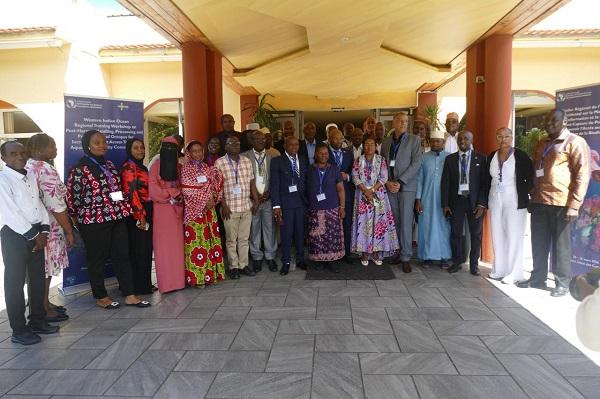
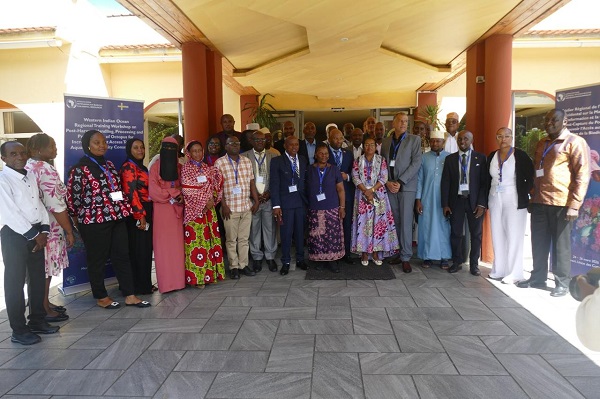
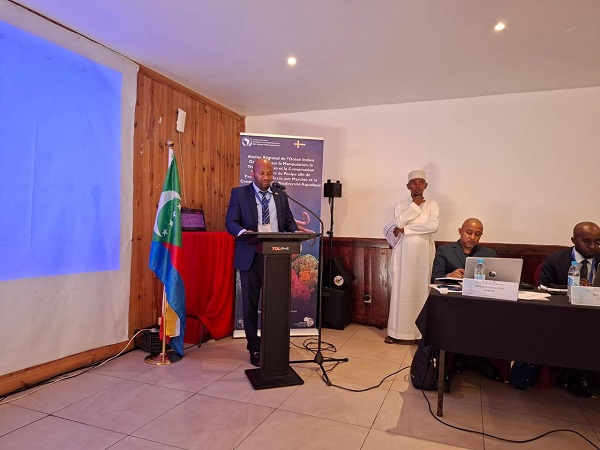
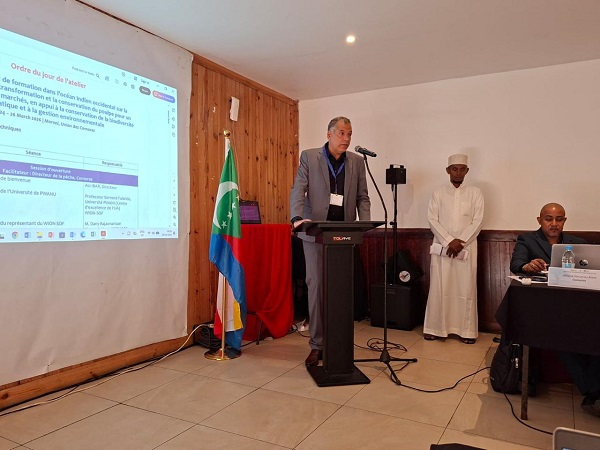
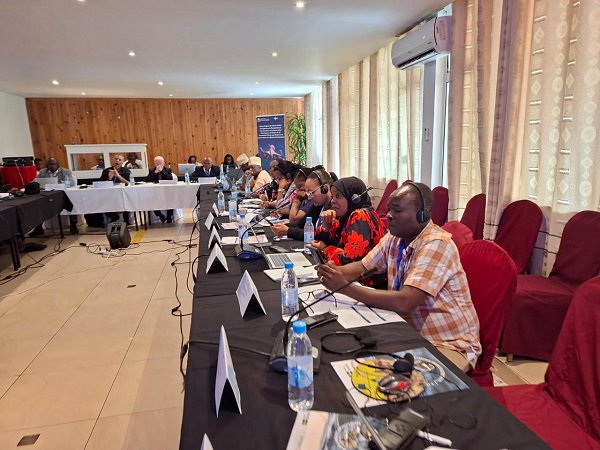
It is within this context that AU-IBAR, under the Conserving Aquatic Biodiversity in the Africa Blue Economy Project, supported by the Swedish International Development Cooperation Agency, is convening the Western Indian Ocean Regional Training Workshop in Comoros (24–26 March 2026). This intervention represents a critical step in translating continental strategies into practical, community-level impact, particularly in strengthening inclusive aquatic value chains.
Building on Strategic Foundations
The intervention is anchored in the African Blue Economy Strategy and reinforced by the Continental Gender Strategy on Aquatic Biodiversity Conservation (2024), both of which emphasise sustainable resource use alongside equitable participation. Prior analytical work and regional assessments conducted by AU-IBAR identified significant gaps in post-harvest handling, processing, and preservation, key determinants of product quality and market access.
These assessments, covering countries such as Kenya, Tanzania, Comoros, and Madagascar, also led to the establishment of the Western Indian Ocean Network of Small-Scale Octopus Fisheries (WION-SOF), a platform designed to promote collaboration, knowledge exchange, and inclusive sector development.
Gender at the Core of Value Chain Transformation
A defining feature of this intervention is its deliberate focus on gender equality and youth inclusion. In many WIO countries, women play a central role in octopus harvesting, processing, and marketing. However, their contributions are often constrained by limited access to technologies, skills, and higher-value markets.
AU-IBAR’s support to date has actively addressed these barriers through:
- Gender-responsive assessments that highlight women’s roles and constraints within value chains
- Dedicated institutional expertise, including gender policy integration within programme design
- Promotion of inclusive platforms, such as WION-SOF, to amplify women’s participation in decision-making
- Targeted capacity-building interventions, ensuring women and youth benefit from improved technologies and skills
This workshop builds directly on these efforts by embedding gender-responsive methodologies into all training modules and ensuring that women and youth are not just participants, but key beneficiaries and agents of change.
 |
 |
Delivering Practical Solutions for Sustainable Impact
The workshop moves beyond theory to hands-on, practical learning tailored to small-scale fisheries contexts. Participants will be equipped with skills in:
- Improved post-harvest handling and hygiene
- Processing and preservation techniques (including drying, freezing, and salting)
- Quality assurance and compliance with market standards
- Value addition for enhanced market competitiveness
Importantly, the training emphasises low-cost, locally adaptable technologies, ensuring that solutions are scalable and accessible at community level. Climate change adaptation and environmental sustainability are also integrated across all modules, reflecting the growing pressures on marine ecosystems and livelihoods.
Inclusive Growth and Resilient Livelihoods
By strengthening technical capacity and market readiness, the intervention is expected to deliver tangible outcomes:
- Improved product quality and reduced post-harvest losses
- Enhanced market access and increased incomes, particularly for women and youth
- Strengthened regional collaboration and knowledge exchange through WION-SOF
- Greater awareness and adoption of climate-resilient practices
- More inclusive and equitable value chains, aligned with continental gender commitments
Ultimately, this initiative demonstrates how targeted, gender-responsive investments in value chains can unlock broader development gains—linking biodiversity conservation with economic empowerment.
 |
 |
A Model for Inclusive Blue Economy Development
The Comoros workshop is part of a broader shift toward inclusive, evidence-based, and systems-oriented approaches in Africa’s Blue Economy. By aligning policy frameworks with practical interventions and ensuring that women and youth are central to implementation, AU-IBAR and partners are helping to reshape aquatic value chains into engines of sustainable and equitable growth.
As Africa continues to harness its aquatic resources, such interventions offer a clear pathway: one in which sustainability, inclusion, and resilience are not competing priorities but mutually reinforcing pillars of development.