

Togo sets the terms for fisheries and aquaculture reform
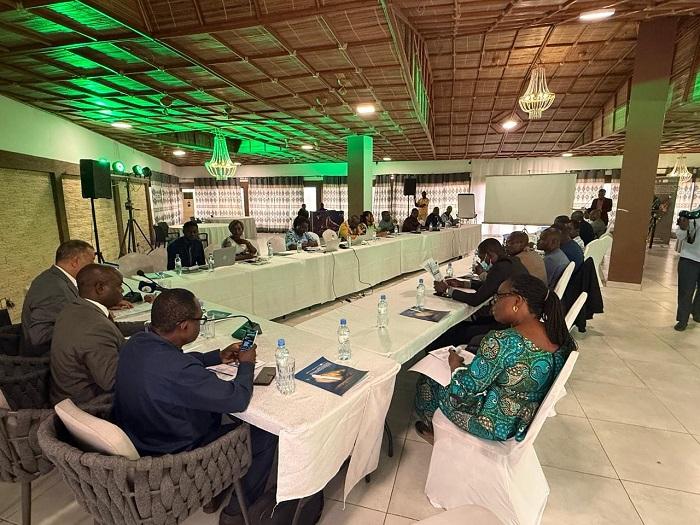
Stakeholders meeting in Lomé are validating recommendations meant to be implemented, with investment, climate resilience and the livelihoods of fishing communities at stake
Lomé, Togo — 28th July 2026
Fish feeds families, pays school fees and holds communities together along Togo’s coast and inland waters. Whether it continues to do so depends less on what the country’s policies say than on whether they are implemented — and that is the question stakeholders have come to Lomé to settle.
The Government of Togo, working with the African Union Inter-African Bureau for Animal Resources (AU-IBAR), has convened national stakeholders to review and validate recommendations for strengthening the country’s fisheries and aquaculture policies, investment planning and climate resilience. The consultation and validation workshop is held under the second phase of the Fisheries Governance Project (FishGov2), implemented by AU-IBAR with financial support from the European Union.
Around the table are government institutions, fisheries and aquaculture organisations, research institutions, civil society, the private sector, non-state actors and development partners — the same actors who will have to carry the reforms once the workshop closes.
A clear test set from the opening session
Opening the workshop, Dr Lombo Yad, Technical Adviser and representative of the Government of Togo, reaffirmed the Government’s commitment to a productive, inclusive and sustainably managed sector — and set the standard against which the meeting should be measured.
“Fisheries and aquaculture are essential to food security, nutrition, employment and the livelihoods of many communities in Togo. This consultation provides an important opportunity to identify policy gaps, strengthen coordination and agree on practical reforms that respond to our national priorities.”
— Dr Lombo Yad, Technical Adviser, Government of Togo
“The success of this process will depend on our ability to move from consultation to action.”
— Dr Lombo Yad, Technical Adviser, Government of Togo
The recommendations, he said, must strengthen institutions, improve resource management and generate tangible benefits for fishing and aquaculture communities.
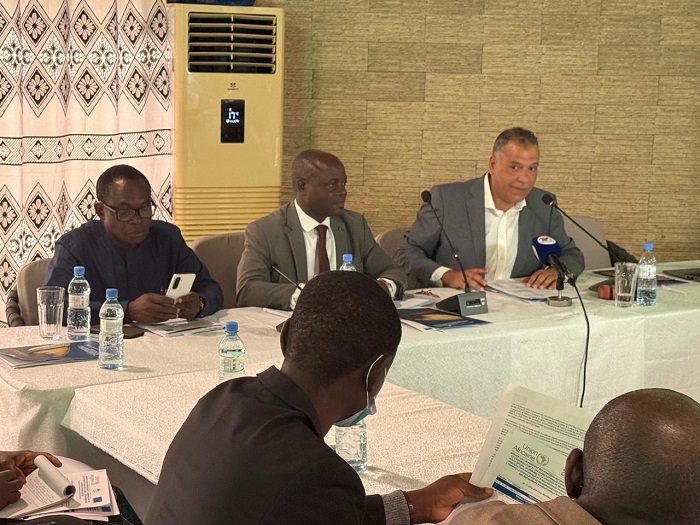
Measuring national policy against continental commitments
Participants are examining how far Togo’s fisheries and aquaculture policies, strategies and legislative frameworks align with the Policy Framework and Reform Strategy for Fisheries and Aquaculture in Africa (PFRS) and other continental and global instruments. The PFRS sets out what African Union Member States have agreed on: sustainable fisheries management, responsible aquaculture development, regional cooperation, trade, institutional strengthening and the contribution of aquatic resources to food security and economic growth.
The exercise is deliberately practical: identify the gaps, document what already works, and name the priority actions that can realistically be taken next.
Speaking on behalf of Dr Huyam Salih, Director of AU-IBAR, Rafik Nouaili said alignment cannot stop at the review of documents — it has to show up in planning, investment, coordination and delivery.
“This workshop represents a strategic step in the implementation of FishGov2 and reflects our collective commitment to advancing sustainable, inclusive and climate-resilient governance of fisheries and aquaculture in Togo and across Africa.”
— Rafik Nouaili, AU-IBAR
“Together, we must ensure that fisheries and aquaculture become pillars of economic transformation, resilient food systems and the protection of aquatic ecosystems. This requires policies that are coherent, institutions that work together and recommendations that are realistic and implementable.”
— Rafik Nouaili, AU-IBAR
The sector that keeps missing the investment plans
One message runs through the consultation: fisheries and aquaculture are too often absent from the plans that decide where money goes. Despite their weight in food security, employment and rural development, they remain under-represented in national agricultural investment planning.
Participants are therefore assessing how the sector is currently reflected in Togo’s investment plans and how it can be positioned more firmly in national food-system planning, climate-resilience programmes and public and private investment frameworks. Getting that right is what unlocks financing for fisheries infrastructure, aquaculture production, value chains, research, data systems, ecosystem protection and community resilience.
Climate pressure is already visible on the water
Fisheries and aquaculture support the food, nutrition, income and livelihoods of millions of people across Africa. That contribution is being eroded by weak institutional coordination, inadequate investment, policy gaps, environmental degradation, overexploitation of aquatic resources and the impacts of climate change.
Degraded aquatic habitats and changing climatic conditions reduce fish production, disrupt breeding and nursery areas and weaken the livelihoods of small-scale fishing communities. The Lomé workshop is therefore pressing for fisheries and aquaculture to be written into national agricultural, environmental and climate-adaptation plans rather than treated separately from them.
What Togo expects to walk away with
Participants are reviewing the findings of national policy studies, testing the proposed recommendations and adding technical input to strengthen the final reports. The process is expected to deliver:
• validated recommendations for improving Togo’s fisheries and aquaculture policies;
• stronger alignment with the Policy Framework and Reform Strategy and relevant international instruments;
• clearer priorities for climate-change adaptation and environmental management;
• improved integration of fisheries and aquaculture into national agricultural investment plans; and
• stronger coordination among institutions and stakeholders — and clear national ownership of the reforms.
AU-IBAR reaffirmed its commitment to supporting Togo and other African Union Member States in strengthening fisheries and aquaculture governance, and in building cooperation among governments, Regional Economic Communities, technical institutions, development partners and the private sector.
“We share a common responsibility to accelerate the reforms required to secure the future of our aquatic resources. Through cooperation and a strong commitment to implementation, we can build a fisheries and aquaculture sector that is more resilient, equitable and prosperous for present and future generations.”
— Rafik Nouaili, AU-IBAR
The workshop feeds the broader FishGov2 objective of coherent implementation of the Policy Framework and Reform Strategy at national, regional and continental levels — and supports Togo’s ambition to make fisheries and aquaculture visible drivers of food security, livelihoods and sustainable economic development.