

When Women Lead, Communities Rise: The Silent Force Behind Africa’s Fight Against PPR
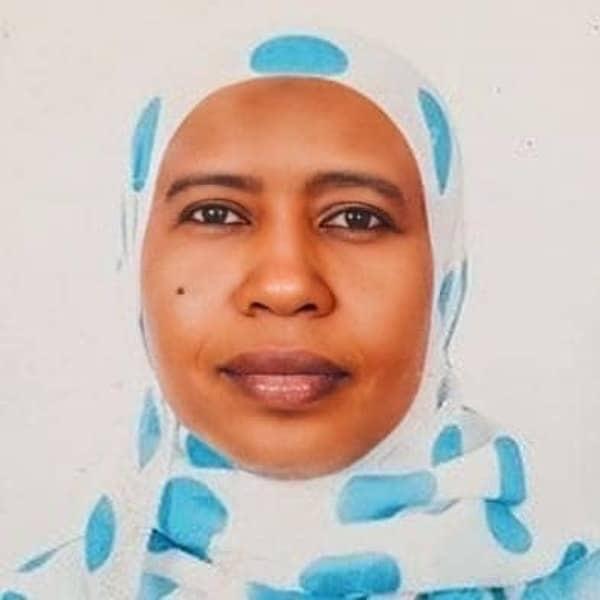
In the sun-baked village of Abushook in Al-Fashir locality of North Darfur, Sudan, where the horizon blurred into endless sands, Amira Awad Salih Ali rose before dawn. As a veterinarian and a smallholder keeper of sheep and goats within her community,her hands, calloused from years of tending sheep and goats, moved with quiet purpose watering the herd, checking hooves for cracks, eyes scanning for the subtle signs of trouble. Livestock wasn't just wealth here; it was survival. And Amira knew all too well that a single outbreak of Peste des Petits Ruminants (PPR) could wipe out a family's future in days.
Amira remembered the terror of 2018. Her neighbor's flock had withered overnight goats refusing feed, eyes runny with discharge, bodies collapsing like fallen shadows. Half the village's herds gone, hunger followed. "We were helpless," Amira would later say, her voice steady but eyes fierce. But helplessness bred resolve. When the Pan-African PPR Eradication Programme arrived, funded by the European Union, it didn't bring just vaccines it unlocked something deeper: the power of women like her.
Amira's days blurred into vigilance. Women in Abushook of Al-Fashir fed, housed, and watched the animals closer than anyone. "Men herd them far," she explained to the visiting vets, "but we know their breaths, their steps." One morning, she spotted it: her goat, Zara, lagging, mouth dry, a faint cough. No one else noticed. Amira reported it via the program's hotline her " local knowledge" compmlemnted by her veterinary background gave her a deep understanding of her animals - now a frontline weapon. Vets arrived within hours, isolating the herd, vaccinating neighbors. What could have spread like wildfire fizzled out.
Word spread. Other women gathered under the acacia tree Fatima with her sharp eyes, Layla who memorized symptoms from training sessions. They formed a whisper network: early signs shared at water points, risky trades discouraged. PPR's grip loosened.
The program trained them not as helpers, but leaders. Amira led her first vaccination drive, mobilizing 50 households. "Vaccinate now, or bury dreams later," she urged, her voice cutting through doubt. Women organized corrals at dawn, held animals steady, explained benefits in local tongues. They influenced kitchens and councils convincing husbands to report cases, elders to adopt clean housing.
Amira's transformation shone brightest at community meetings. Once silent, she now stood tall. "We've lost enough," she declared. Men listened. Her group became the village's eyes and voice, turning participation into command.
The change rippled outward. Mortality plunged Amira's herd doubled, fetching better market prices. Incomes stabilized; children returned to school with full bellies. Vets praised the collaboration: "Women bridge us to every kraal." Socially, walls crumbled. Amira advised the chief on biosecurity; Fatima trained youth. Invisible no more, they rebuilt trust, herd by herd.
Vaccination days became festivals of resolve. Amira's team boosted coverage to 95%, her stories of Zara's recovery spreading like seeds. She taught symptoms fever, nasal drip, sudden weakness and quashed myths, like mixing herbs with vaccines. "Trust the needle, trust each other," she said. Behaviors shifted: no more buying sick animals from afar. Coverage soared, change stuck.
PPR's defeat mended more than flocks. Food security bloomed milk for mornings, meat for markets. Economies steadied; resilience hardened against droughts. Amira watched her daughter lead a girls' group, echoing her steps. Gender barriers cracked, inclusion wove communities tighter.
Eradicating PPR by 2030 demands more than science it' require social alchemy. Women like Amira prove it: integrate them when meaningfully engaged in community sensitization, and when scientific knowledge is combined with local understanding, surveillance sharpens, campaigns succeed. Yet progress hinges on investment training, tools, seats at the table. Sudan’s villages show the path.
Amira stands at her thriving kraal, Zara's descendants grazing strong. "We were never just caretakers," she says. "We are the force." When women lead, livestock thrive, livelihoods stabilize, communities rise propelling Africa toward a PPR-free horizon.
Funded by the European Union, the Pan-African PPR Eradication Programme fuels these continental efforts to safeguard livestock, secure futures, and forge resilient Africa. When Women Lead, Communities Rise: The Silent Force Behind Africa’s Fight Against PPR