Accelerating Food Systems Transformation for Resilience to Climate Change in Africa
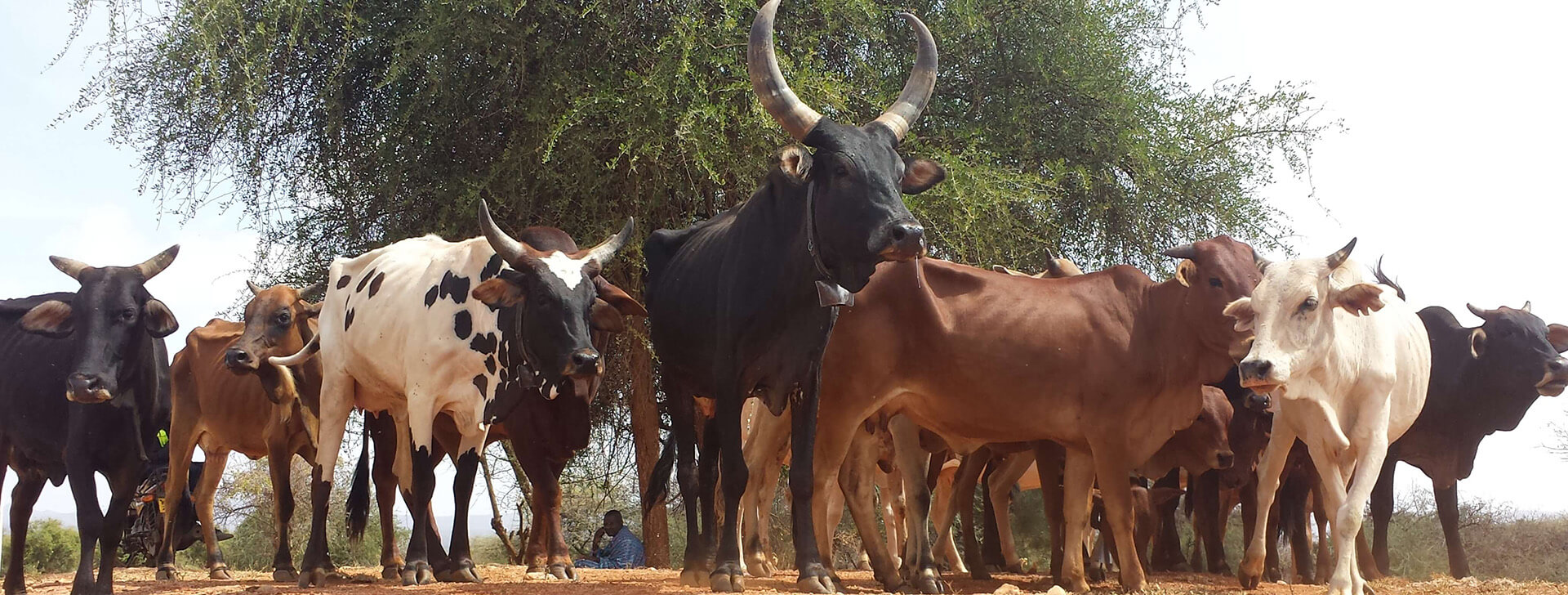
Accelerating Food Systems Transformation for Resilience to Climate Change in Africa is a three-year initiative of the United Nations Economic Commission for Africa (ECA), financed under the 17th Tranche of the UN Development Account. It works to strengthen the resilience of livestock-based food systems to climate change across the Horn of Africa, with a particular focus on the region's arid and pastoral areas, where livelihoods depend on ecosystems that are highly exposed to drought, flooding and other climate shocks.
Where it is being implemented
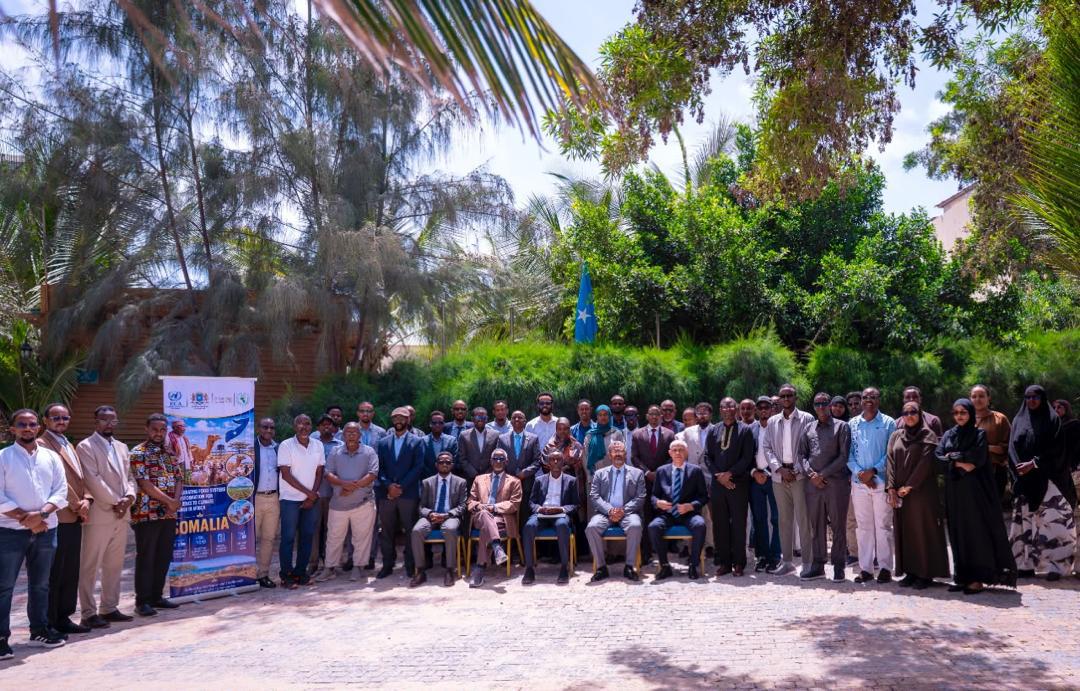
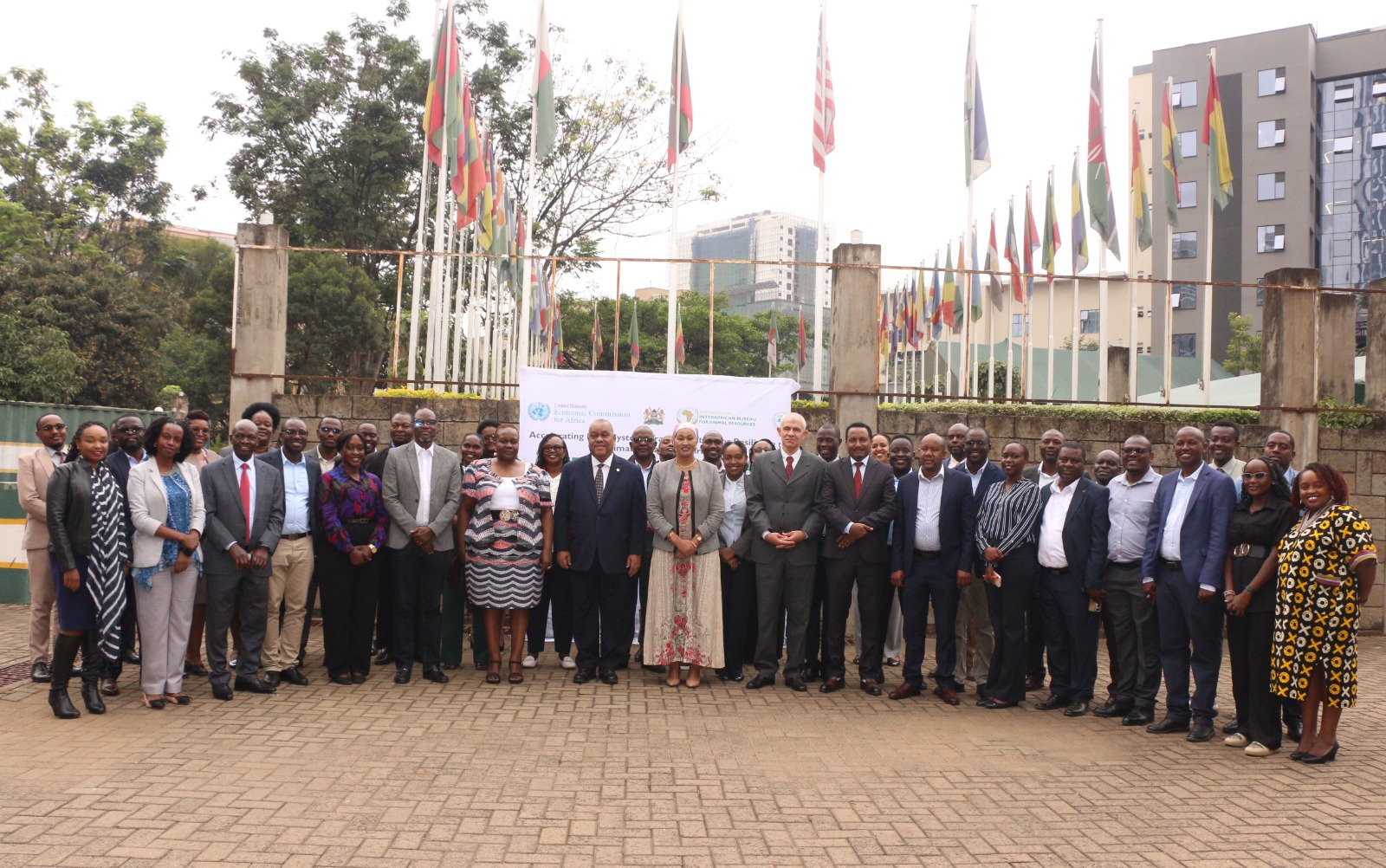
The project is being rolled out in three countries: Kenya, Uganda and Somalia. National teams in each country are running parallel assessments tailored to their own priorities, geographies and government structures, coordinated through a shared regional framework.
What the project is doing
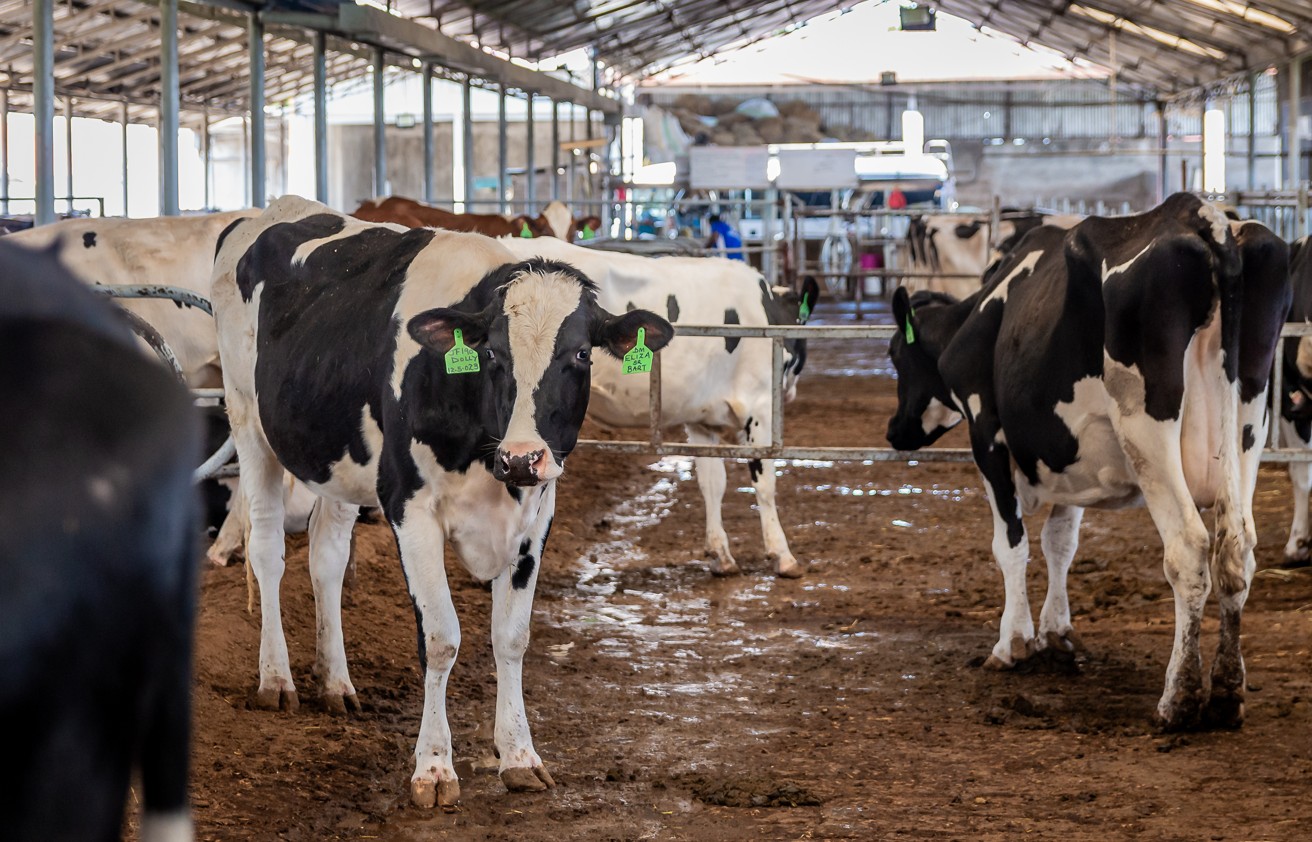
The project centres on four linked areas of work in each country: assessing livestock value chains, with an initial focus on priority products and regions (such as beef, camel milk and dairy); assessing the viability of climate and index-based livestock insurance for smallholder and pastoralist producers; strengthening land tenure security in pastoral and agro-pastoral areas, where land and pasture are often governed under common-property systems; and developing climate-land information systems to support evidence-based decision-making.
Across these areas, the project addresses six recurring bottlenecks limiting a well-functioning livestock value chain: aligning business models, infrastructure and quality standards; improving data visibility and traceability; expanding access to value chain finance; mitigating climate-related risks; strengthening smallholder access to breeding stock, veterinary services and extension support; and advancing gender equality and land tenure security. Its core interventions include research and assessment studies, policy dialogue, stakeholder sensitisation, and capacity building for policymakers, legislators and technicians, culminating in country-level workshops to draft and validate policy and legislative reforms in support of resilient, inclusive and competitive livestock value chains.
Project timeframe
The project runs for three years, from 2026 to 2028, with the technical assessment work carried out over 24 months from April 2026 to March 2028. Each country's process began with a national inception workshop, held in Kenya, Uganda and Somalia in mid-2026, and progresses through data collection and field assessment, validation workshops, and the drafting of national policy and legislative reforms.
Main stakeholders
The project is implemented by ECA, through its Climate Change, Food Security and Natural Resources Management Division, in close collaboration with the African Union Inter-African Bureau for Animal Resources (AU-IBAR) and the Intergovernmental Authority on Development (IGAD). It is delivered in partnership with the Governments of Kenya, Uganda and Somalia, working through national ministries responsible for agriculture, livestock, lands and economic planning.
Wider stakeholders include the African Union Commission and Regional Economic Communities; UN system partners such as FAO, WFP, UNDP and UN Resident Coordinator offices; research institutions including ILRI and IFPRI; private-sector actors such as insurance providers and banks; and pastoralist associations, producer cooperatives and civil society organisations across the three countries.